

What Type of Rosacea Do You Have? A Simple Guide
Rosacea is not one single condition. It covers several different patterns of redness, flushing, acne-like breakouts, thickened skin and eye irritation, and each type behaves differently and responds

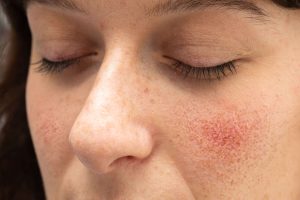
Rosacea is not one single condition. It covers several different patterns of redness, flushing, acne-like breakouts, thickened skin and eye irritation, and each type behaves differently and responds
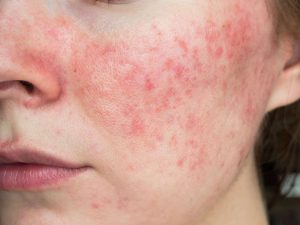
If you live with rosacea, you already know it is about far more than “a bit of redness”. Rosacea can mean flushing that appears suddenly, visible thread veins across the cheeks and nose,
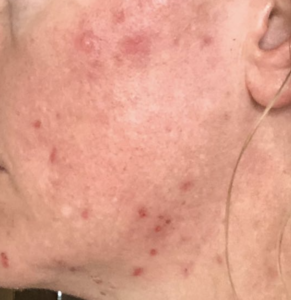
Papulopustular rosacea causes acne-like red bumps, pustules and inflamed spots, but it is a subtype of rosacea, not ordinary acne. The giveaway is often the surrounding skin. Look for persistent redness,
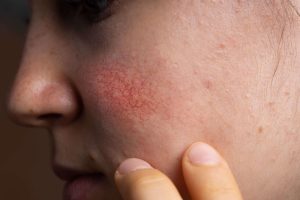
Rosacea can be frustrating, unpredictable, and difficult to manage without an accurate diagnosis. It may appear as persistent facial redness, flushing, thread veins, sensitivity, breakouts, burning
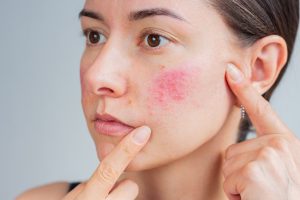
Persistent facial redness and broken blood vessels can both be linked to a skin condition called rosacea. Rosacea affects an estimated 1 in 10 people in the UK, and for many, it can feel impossible

One of the most common triggers for rosacea flare-ups is sun exposure. Ultraviolet (UV) radiation can make blood vessels in the skin more reactive, leading to increased inflammation and redness. For
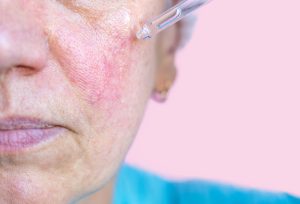
There is a link between menopause and rosacea due to the hormonal changes that take place, which can make the condition more noticeable or trigger flare-ups. We will discuss how menopause and hormonal
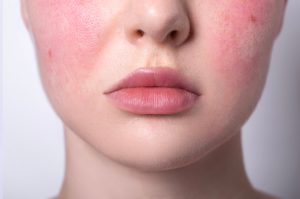
Rosacea is a chronic inflammatory condition that involves recurring skin changes on the face. Many people ask what causes rosacea on the face and why symptoms such as redness, visible blood vessels

Rosacea is a common inflammatory skin condition, but it’s often overlooked or misdiagnosed in people with darker skin tones. Because traditional descriptions focus on redness and flushing, rosacea

Rosacea is a common but often misunderstood skin condition that causes redness, visible blood vessels, and sensitivity, especially across the cheeks, nose and chin. While there isn’t a permanent cure,
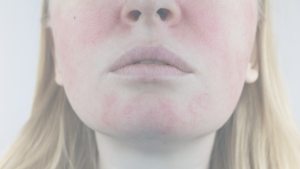
Rosacea is often thought of as an adult condition, but teenagers can get rosacea too. At Thames Skin Clinic, we occasionally see teenagers, sometimes as young as 13 or 14, showing early signs of rosacea.
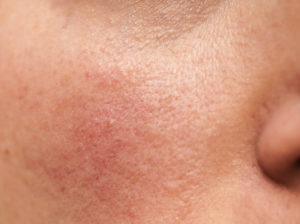
Rosacea is one of the most common causes of facial redness, yet many people don’t realise they have it. If your skin blushes easily, feels sensitive or stays persistently red across the cheeks, nose