


Award-Winning Expertise in Injectables
At Thames Skin Clinic, you are in expert hands. Led by Dr Anna, a nationally recognised, multi-award-winning practitioner, our clinic is known for its natural-looking injectable results.
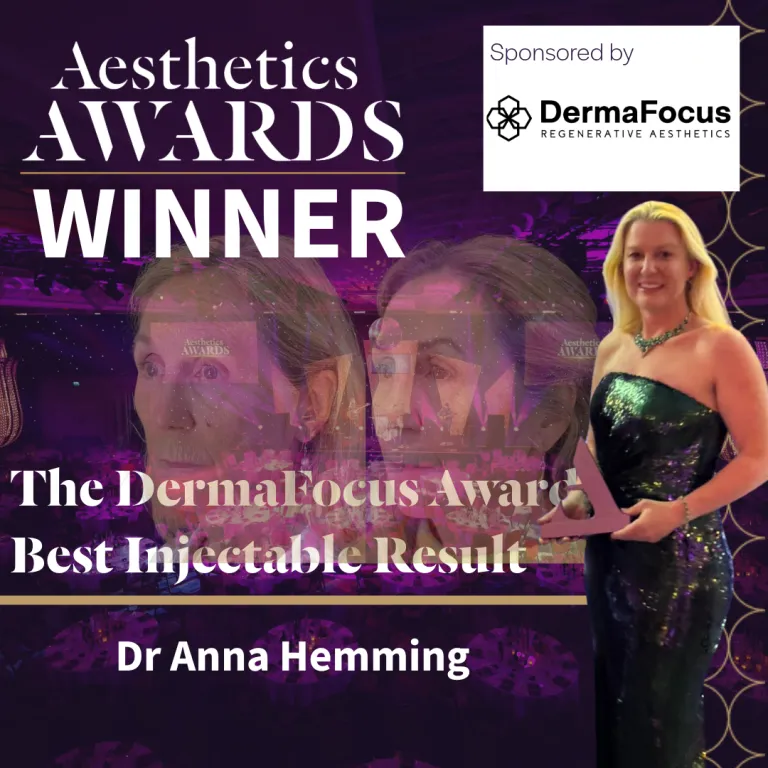
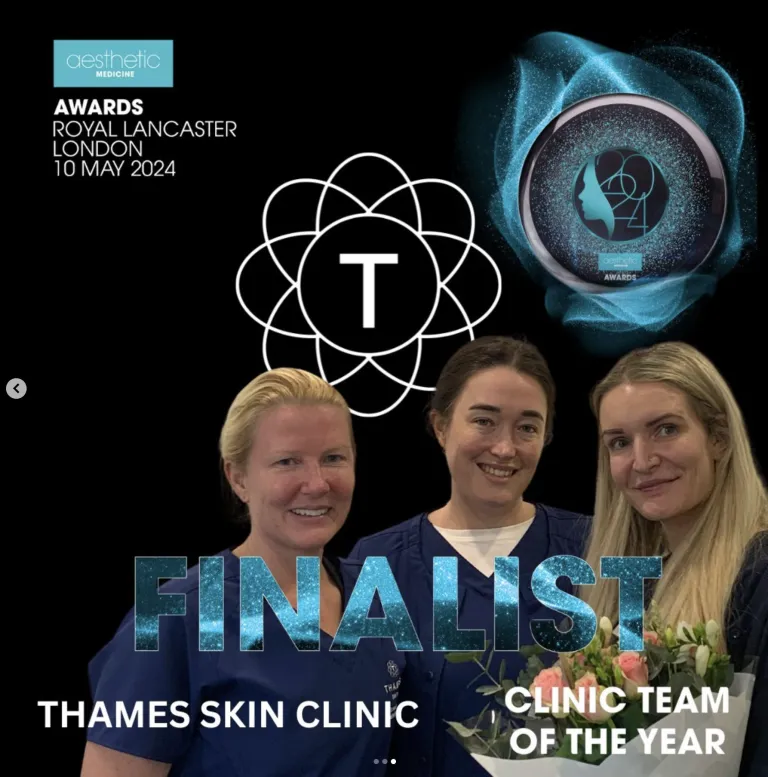
She won Best Injectable Results at the Aesthetics Awards 2025, alongside being Highly Commended for Best Injectables in 2026. Her work has been recognised at the top of the aesthetics industry, not just in injectables, but across the whole medical industry.
She has been named Best Medical Practitioner (Doctor Category) at the Aesthetic Medicine Awards in 2025 and Best Medical Practitioner (Best Doctor, Dentist & Surgeon category) at the Aesthetics Awards 2026.
But awards aside, what matters most to Dr Anna is that you leave feeling like yourself, just refreshed. Every injectable treatment is guided by a genuine commitment to your safety and results that work for your face.
What Are Injectables?
Injectables are non-surgical, aesthetic and regenerative treatments designed to support skin structure, function and resilience. While injectables can smooth lines and add volume, they are also used preventively, helping to slow down skin degradation and early signs of ageing.
Injectable treatments can help with
- Expression lines such as the forehead, frown area and crow’s feet
- Restore volume loss, moisture and facial contouring
- Lip definition and hydration
- Under eye tiredness where suitable
- Stimulate collagen and elastin
- Facial balancing and profile refinement
- Skin texture, strength and glow through regenerative boosters
Injectables are not about changing your face. They are used to help you continue looking like yourself, to harmonise features and to improve skin quality. The best results are invisible. Your natural facial structure and expressions remain the same, with subtle tweaks, softer lines or a little lift here and there. That is the art of modern aesthetic medicine.
What Injectable Treatment is Right for Me?
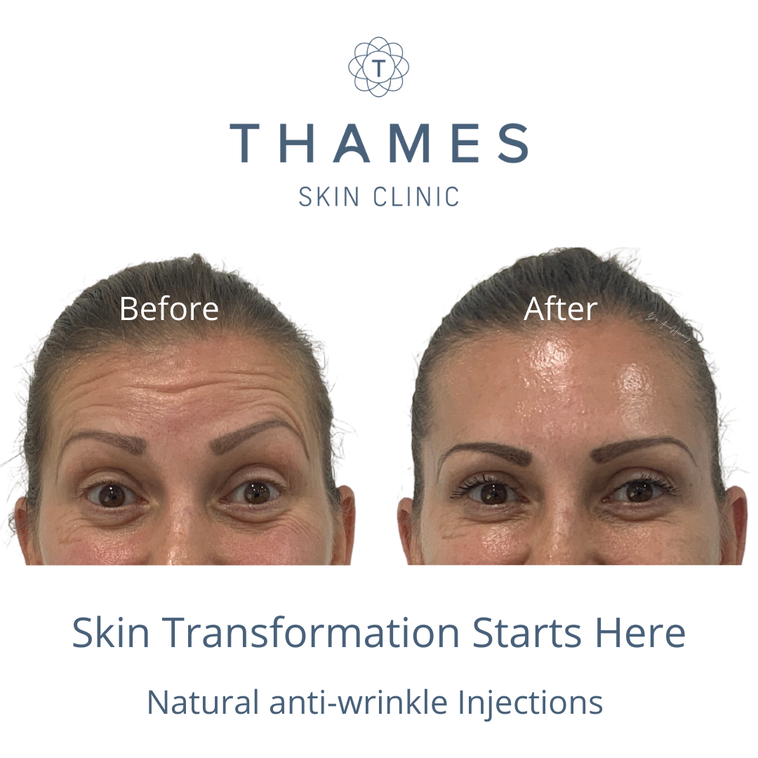
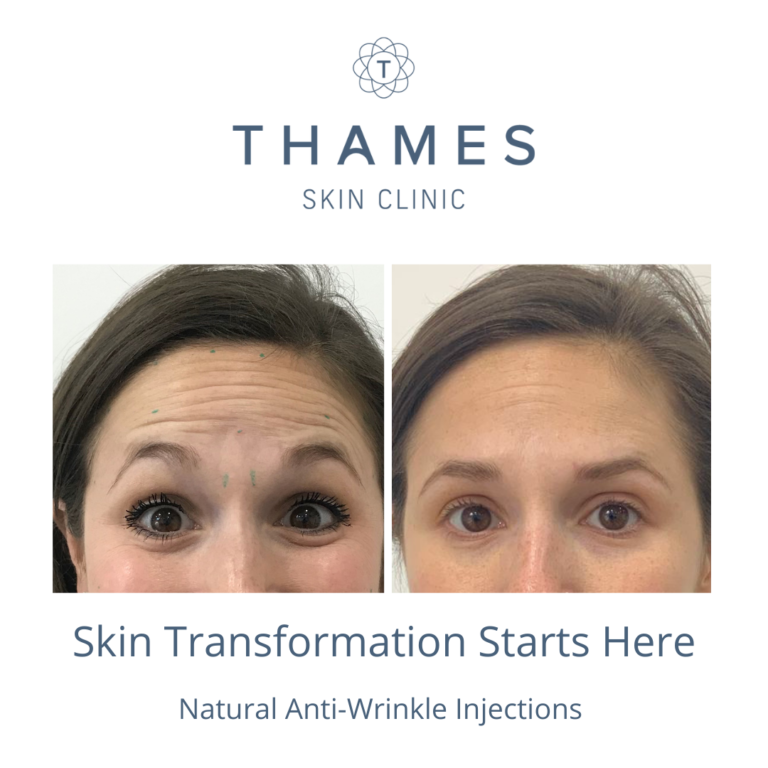
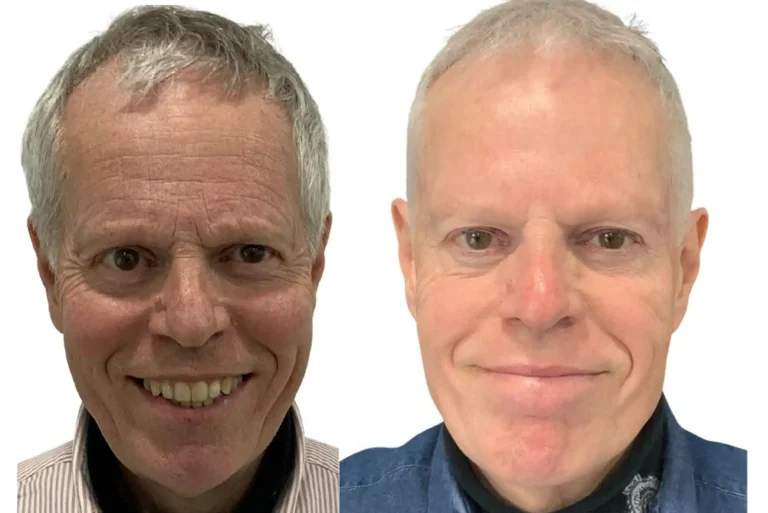
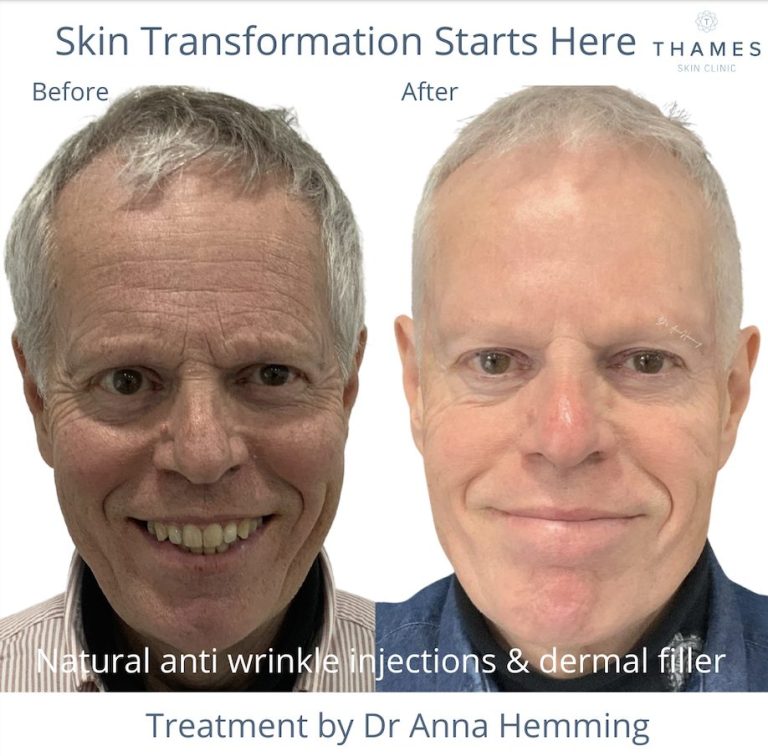
Anti-wrinkle injections
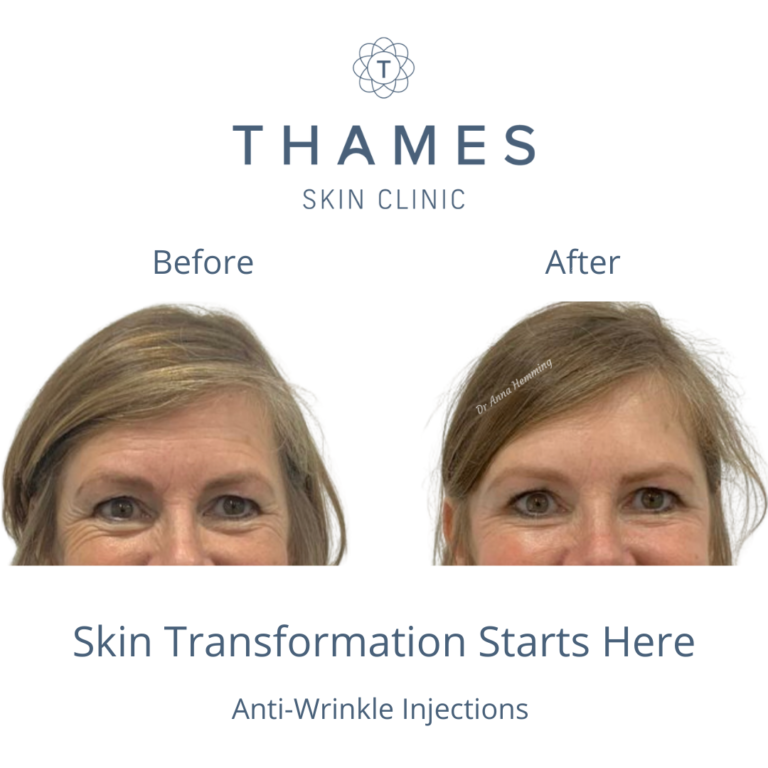
Anti-wrinkle injections temporarily relaxes targeted muscles by stopping the nerve from communicating with that muscle, reducing muscle activity. By limiting repeated muscle contraction, these injections are highly effective at softening dynamic wrinkles caused by everyday facial expressions such as frowning, squinting or raising the eyebrows. They also help soften and prevent static lines that remain visible even at rest.
Anti-wrinkle injections are a preventative treatment for skin ageing too, as continued use can prevent static lines and wrinkles from forming. By giving your muscles and overlying skin a period of rest from constant movement, it allows the skin to recover and remodel, offering both immediate cosmetic benefits and long-term prevention.
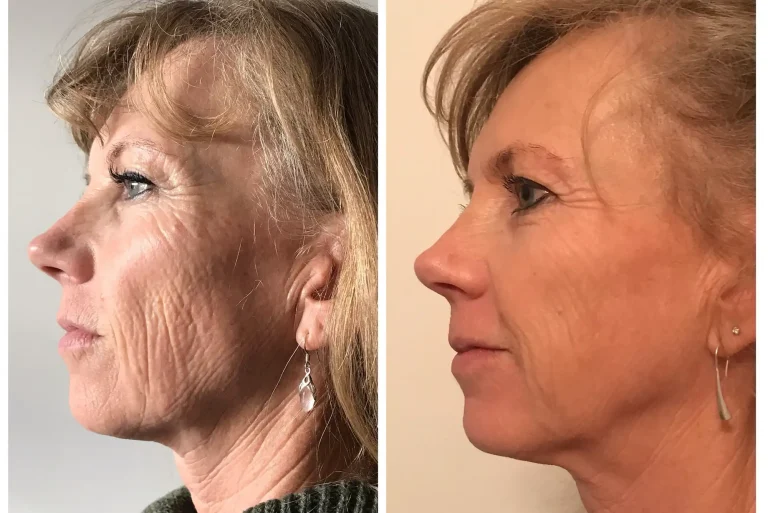
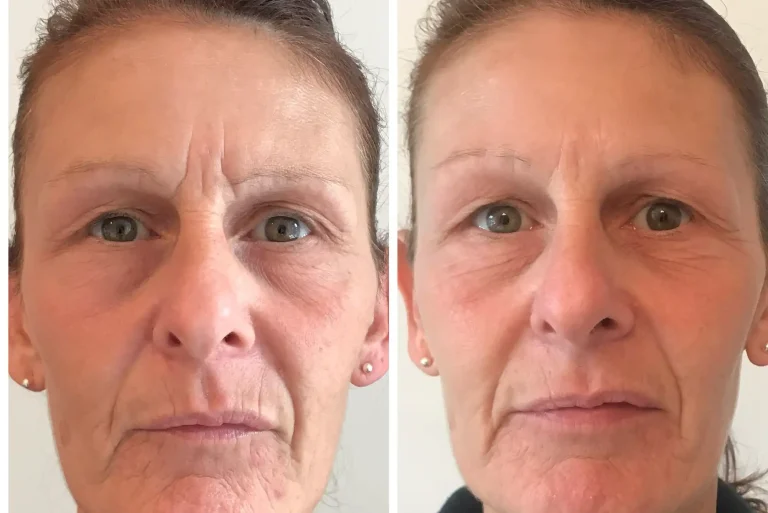
Real Patient Results
FAQs
-
What Areas Can be Treated With Anti-wrinkle Injections?
Anti-wrinkle injections are best for those with dynamic wrinkles, early signs of ageing or facial overactivity and can be used to target a variety of areas and concerns:
- Forehead lines
- Frown lines
- Crow’s feet
- Bunny lines
- Teeth grinding and Bruxism
- Nefertiti lift (platysmal bands)
- Brow lift
- Gummy smile
- Chin dimpling
- Excess sweating/ Hyperhidrosis (palms, soles, underarms
-
How Long Do Anti-wrinkle Injections Last?
Anti-wrinkle injections typically last between three and four months on the face, with most people noticing their muscle movement returning around four months. How long the effects last can vary from person to person, as some break down the neurotoxin more quickly while others take longer. With ongoing use and regular maintenance, many patients find that the results can last a little longer between treatments, as the muscles become gradually trained to move less in the treated areas.
-
Are Anti-Wrinkle Injections the Same as Dermal Fillers?
Anti-wrinkle injections and dermal fillers work in entirely different ways and are used to treat different concerns. They’re usually grouped together because they are both ‘injectables’ seen as quick procedures that people can have done in a short appointment.
Anti-wrinkle injections temporarily relaxes muscles to reduce facial lines, soften wrinkles and release tension, while dermal filler adds volume and hydration to the deeper fat pads.
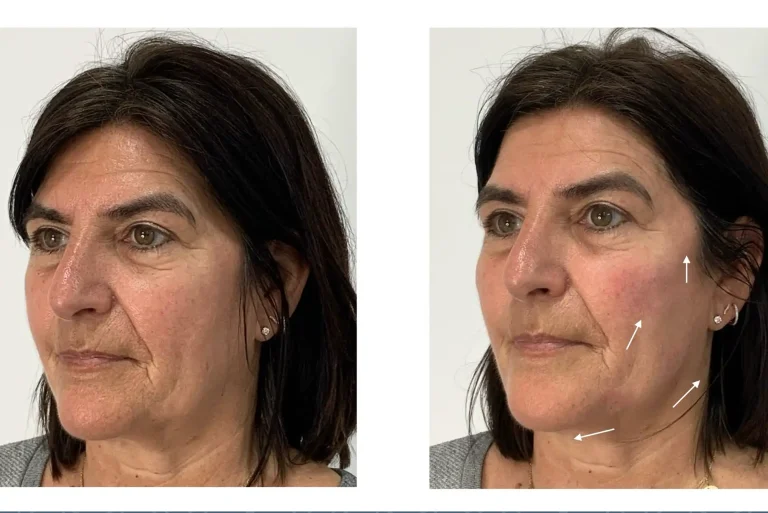
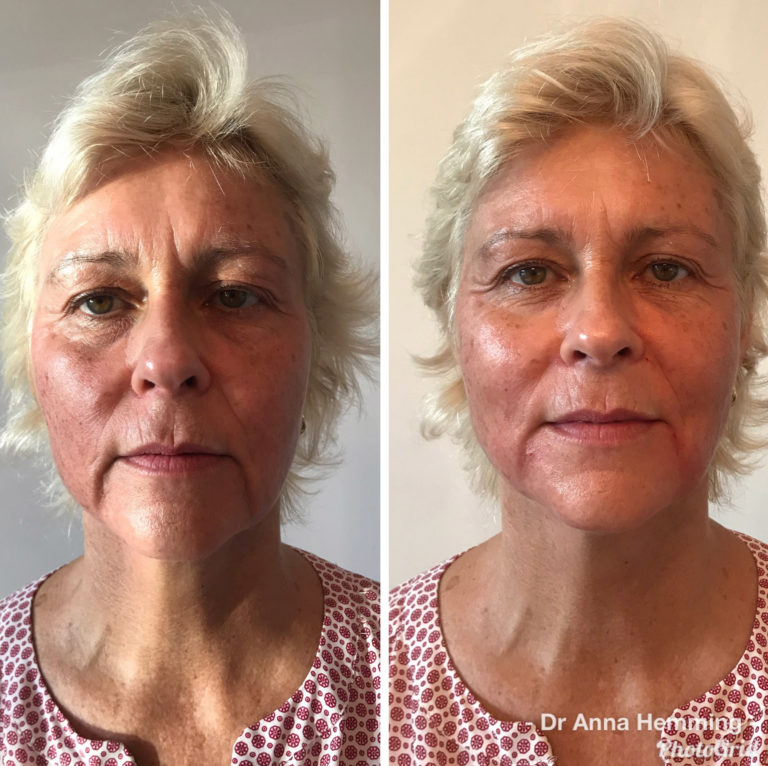
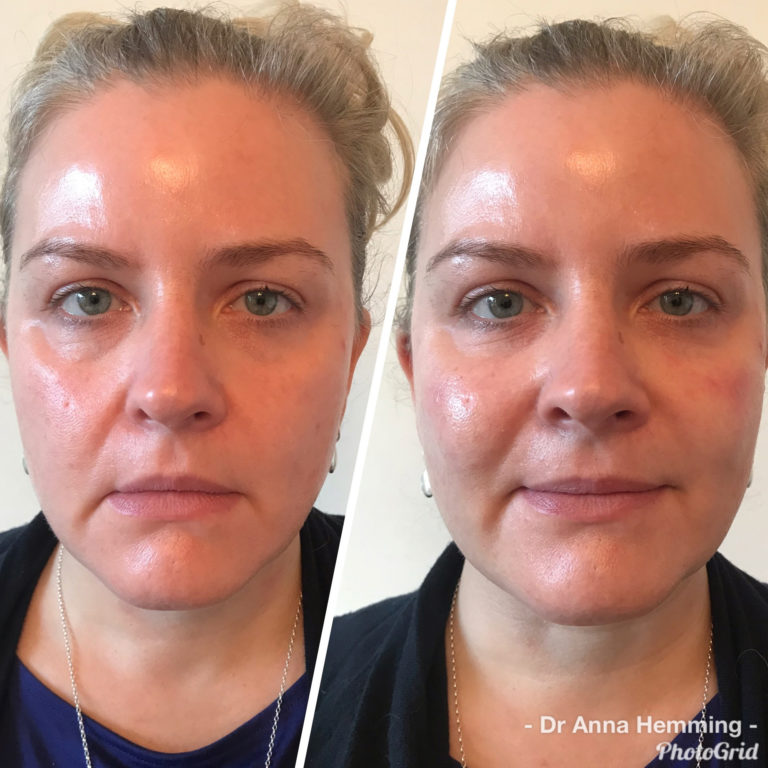
Fillers are used to replace the volume lost through ageing through naturally lifting. They should be replacing the fat pads deep within the structure of the face. Loss of fat pads causes the overlying skin to fall downward creating jowls and folds in the skin. Replacing the fat pads lifts the skin back up to its previous natural position. Dermal fillers are also used to address asymmetry and balance areas that naturally have less fullness
Both treatments can be used together to deliver balanced harmony to the face.
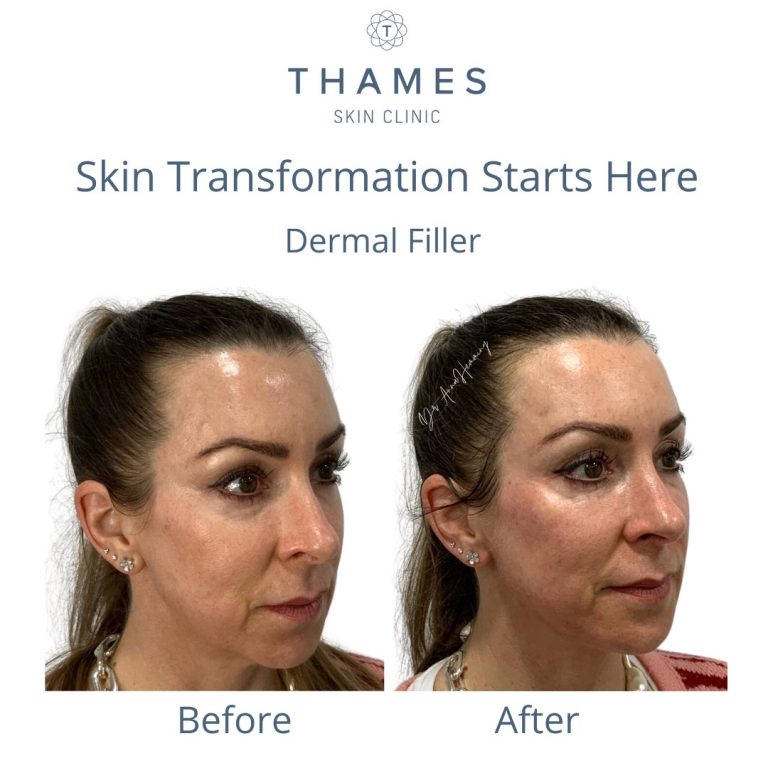
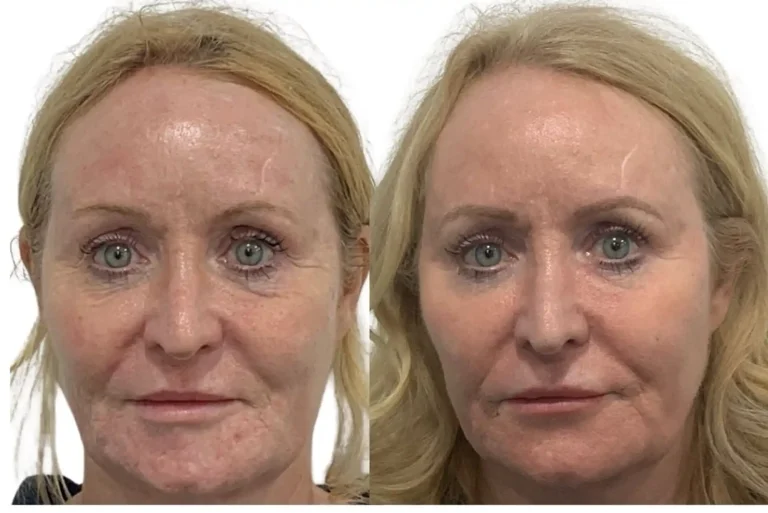
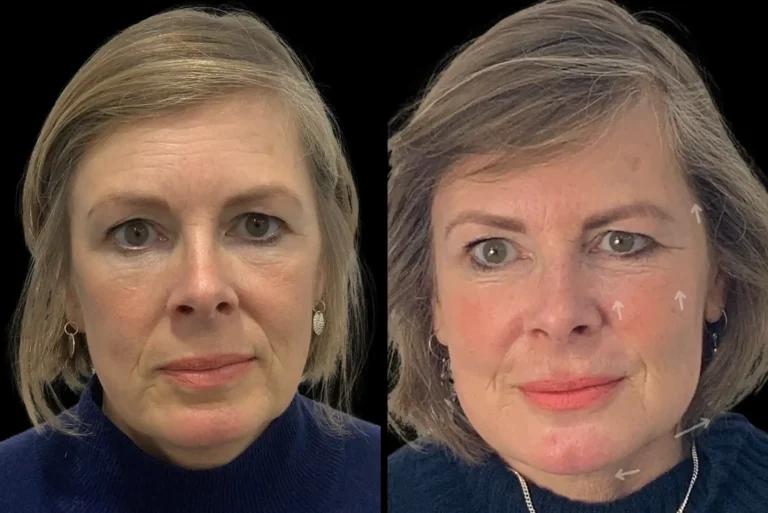
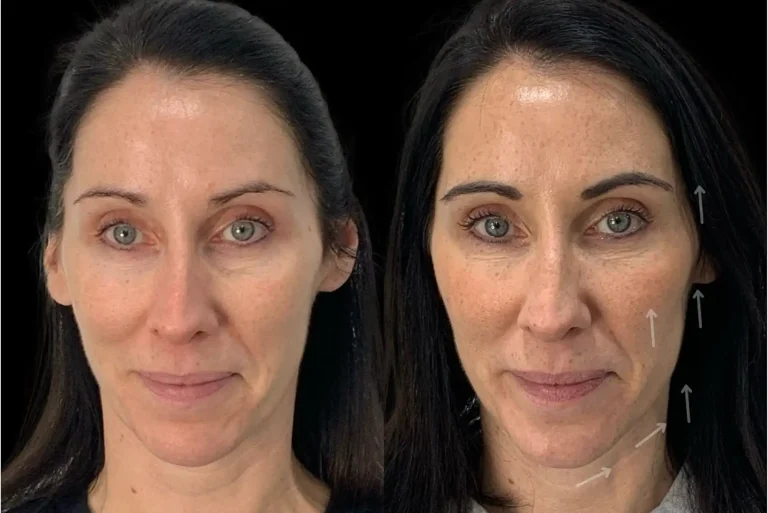
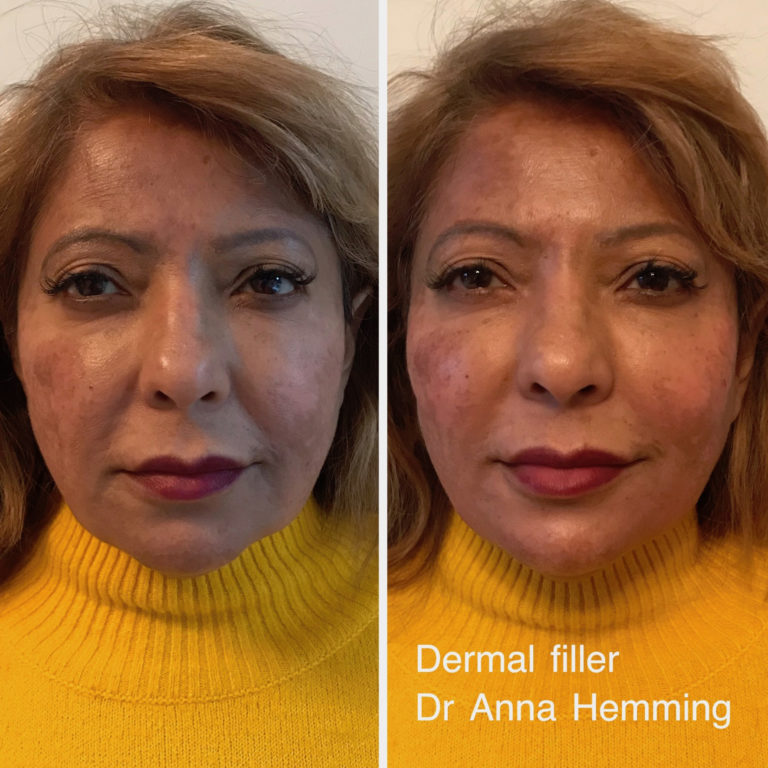
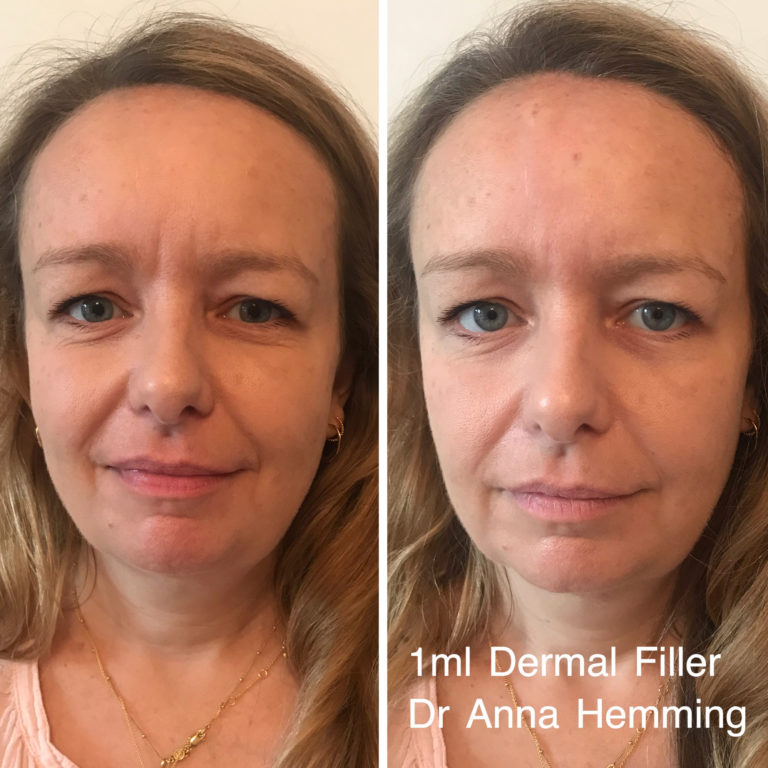
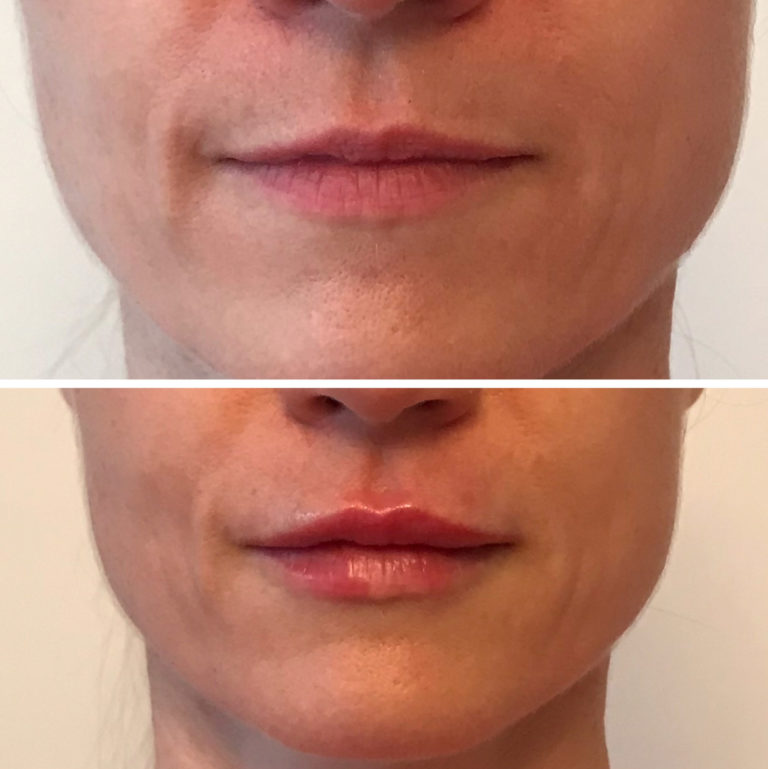
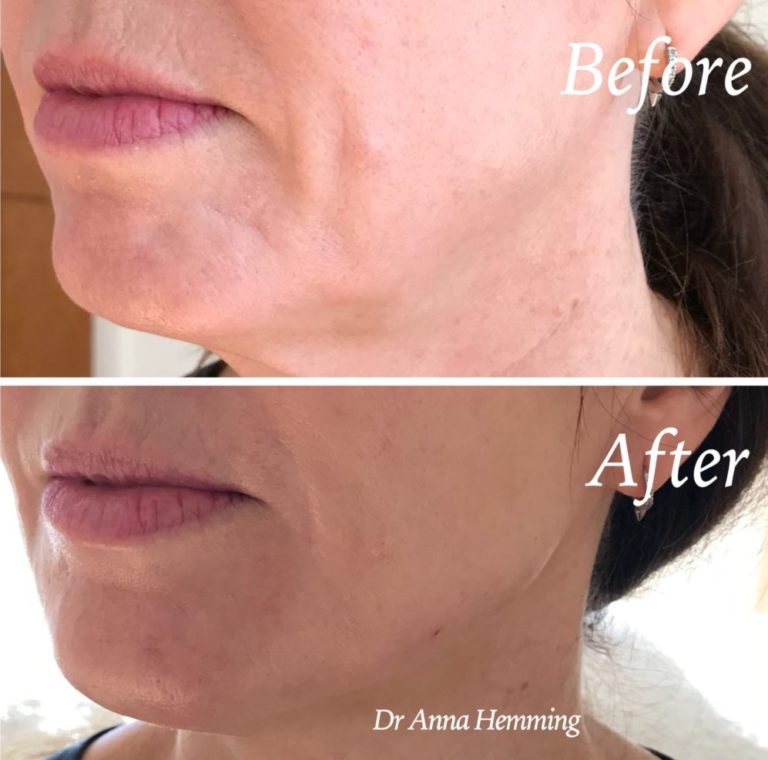
Dermal Fillers
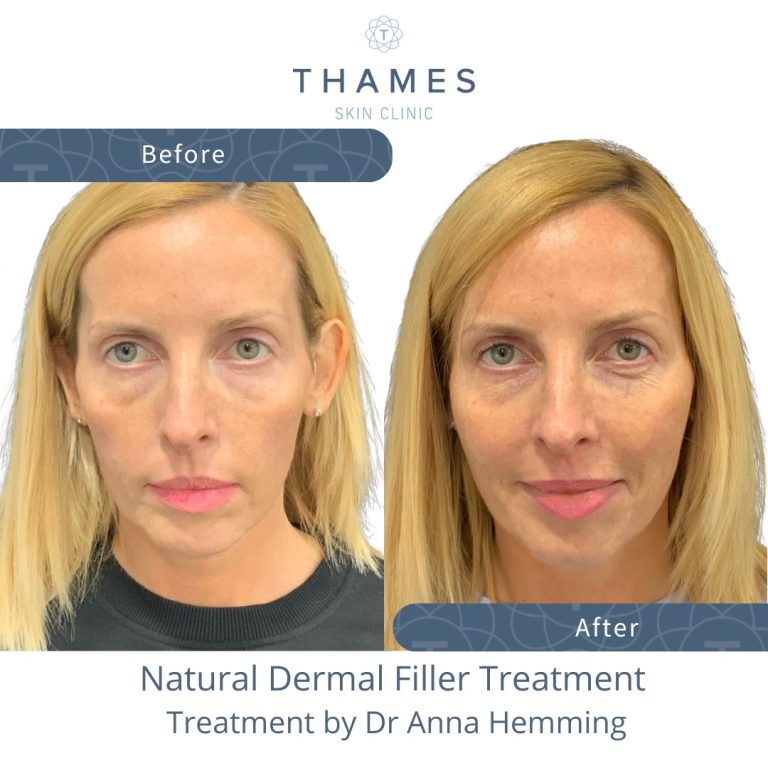
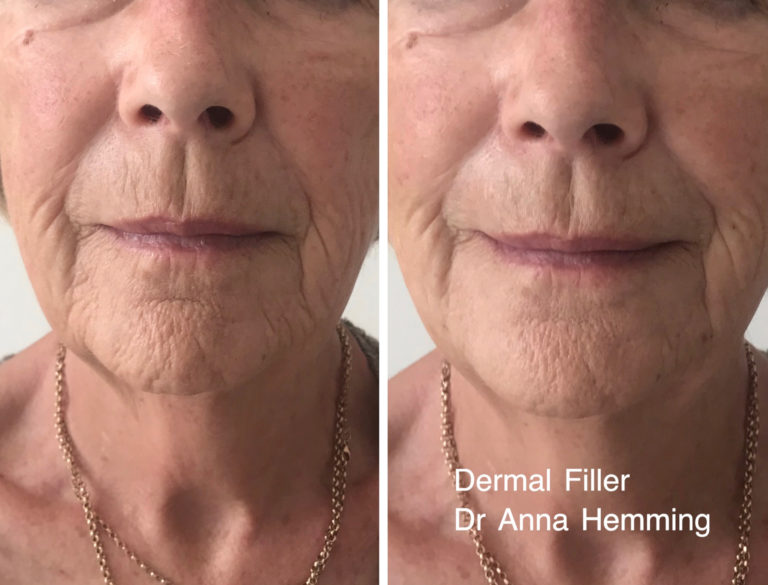
Dermal fillers are injectable gel substances used to restore volume, improve skin hydration and soften static lines that appear as part of the ageing process. Most modern fillers are made from hyaluronic acid, a substance naturally found in the body that attracts water and supports skin elasticity and structure. When injected, fillers integrate with the surrounding tissue to hydrate the skin, restore lost volume and enhance contours.
Dermal fillers can be placed at different depths depending on your concerns, whether it’s fine lines and skin quality or deeper structural support in areas such as the cheeks or jawline. Beyond aesthetics, dermal fillers also have important medical applications, including scar correction and facial reconstruction. When used conservatively and skillfully, they enhance facial balance while respecting your natural features.
Real Patient Results
FAQs
-
What Areas Can Dermal Fillers Treat?
Dermal fillers can be used to treat a wide range of facial areas by restoring support, volume and balance where it has been lost. The exact filler used depends on the area and the depth required.
Hyaluronic acid fillers are the most versatile and are commonly used across the face due to their natural feel and reversibility:
- Cheeks
- Lips
- Under-eyes
- Temples
- Lateral and medial cheeks
- Lips and area around the mouth
- Under eyes, tear trough and sunken cheeks
- Jawline, chin
In areas needing stronger structural support, such as the jawline or chin, collagen-stimulating fillers like calcium hydroxylapatite may be more appropriate. For broader, gradual volume loss, biostimulatory fillers such as poly-L-lactic acid can be used to encourage the body’s own collagen production over time.
-
How Long Does a Dermal Filler Last?
Results from dermal filler typically last between 6 and 18 months, depending on the area treated, the product used and your individual metabolism. Treatments can be adjusted over time as your face naturally changes.
-
Are Dermal Fillers Going to Make Me Look Overfilled or Unnatural?
No, when performed correctly by a qualified medical professional, natural-looking dermal fillers should appear subtle and balanced. The aim is to restore what has been lost through ageing rather than to exaggerate features. Unnatural results usually come from overfilling, poor product choice or inadequate understanding of facial anatomy.
PRP Filler
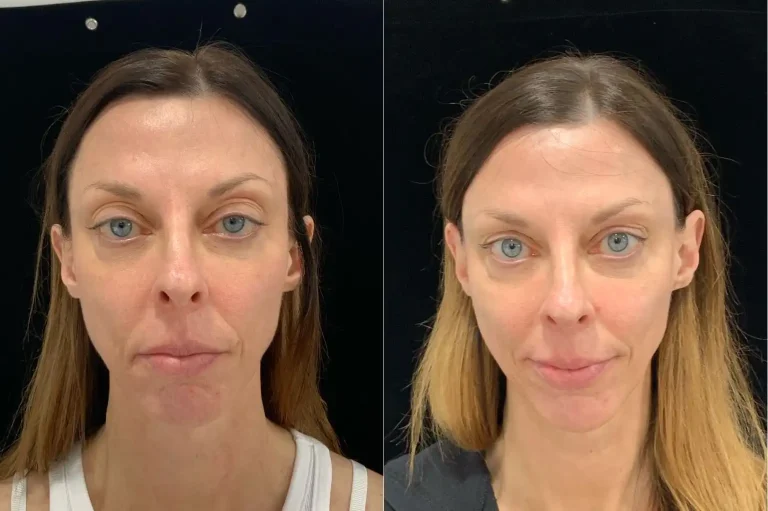
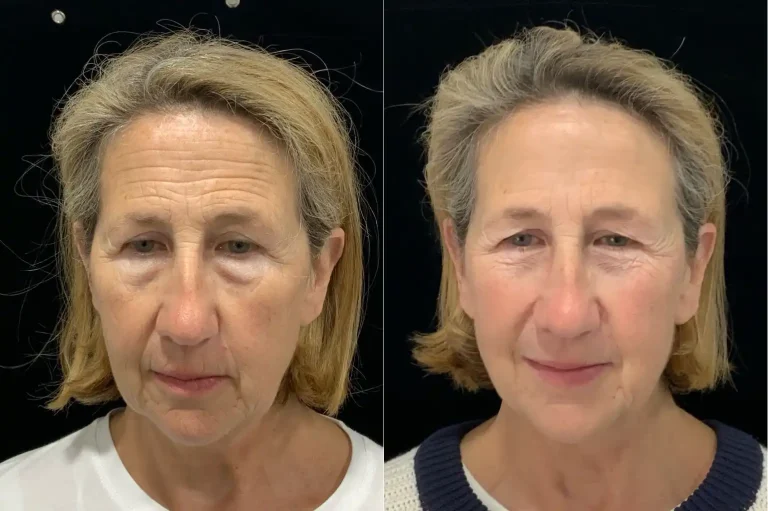
PRP filler is a regenerative treatment rather than a traditional skin booster. It is created by taking platelet rich plasma from your own blood and heating it to form a gel.
Once injected, the gel provides temporary volume restoration in areas where tissue thinning or mild hollowing has developed. At the same time, it has regenerative benefits, releasing growth factors that support collagen production and improved skin quality.
PRP filler works in a similar space to biostimulators by helping to restore lost volume and moisture, recreating structure and support. By delivering your body’s own healing proteins, it encourages remodelling from within and helps maintain dermal thickness over time.
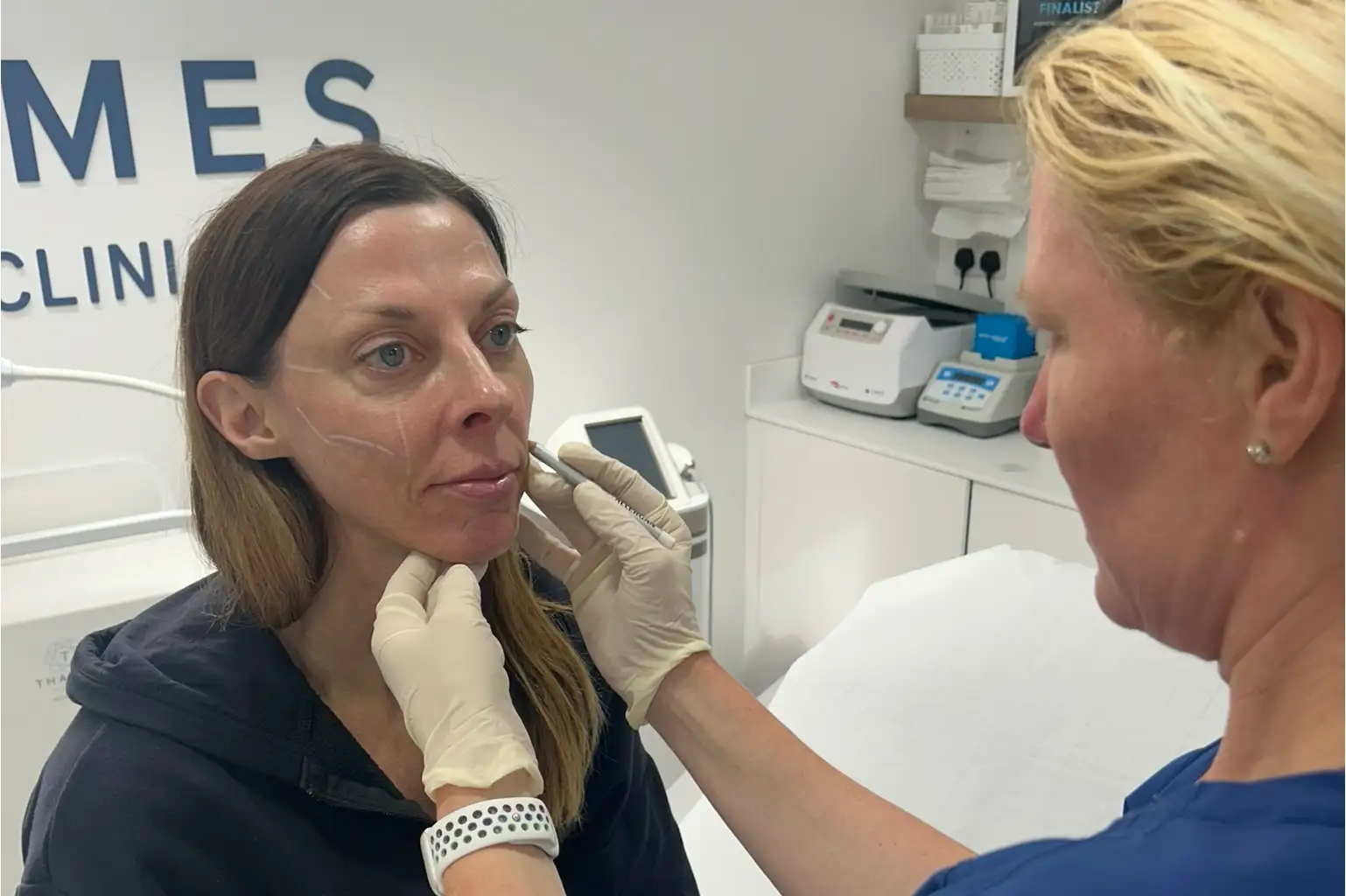
Real Patient Results
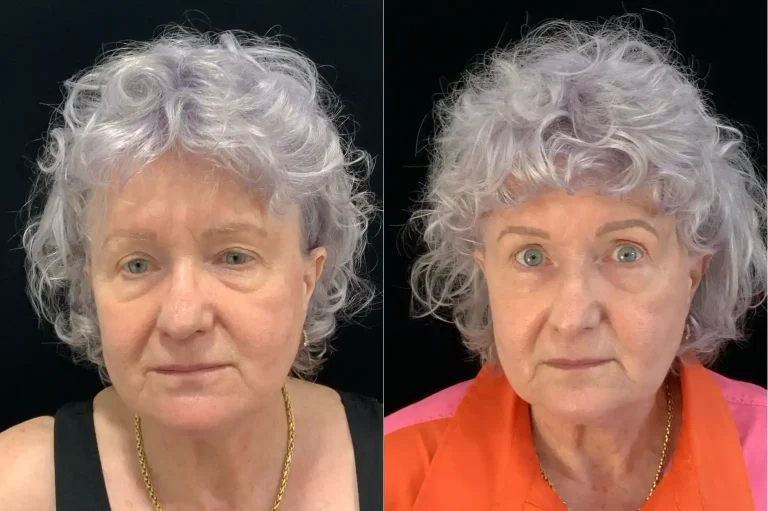
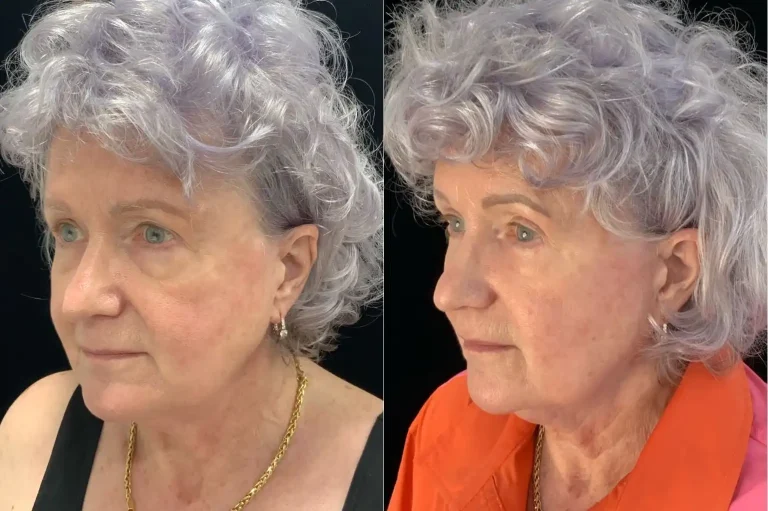
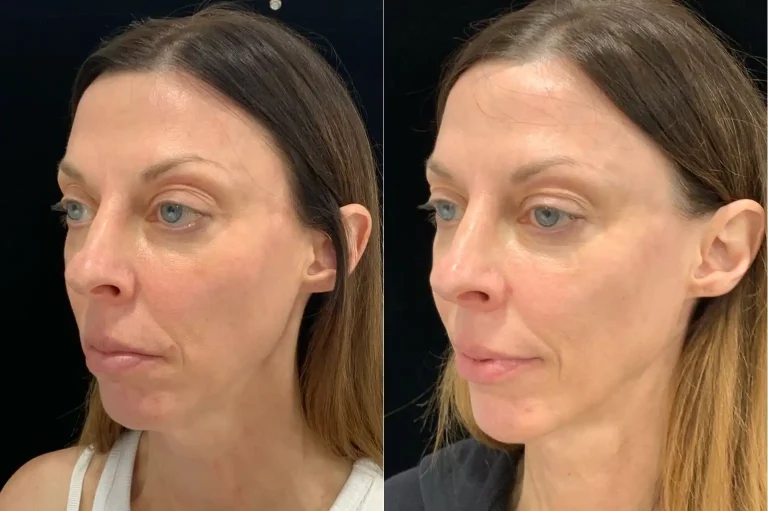
FAQs
-
How is PRP Filler Different From Standard Dermal Filler?
When comparing PRP fillers to dermal filler, they may look similar on a flat surface and appear to hold their shape. However, hyaluronic acid fillers are engineered to withstand pressure and maintain structure within the tissues. PRP fillers, provides short-term volume but stimulates collagen and tissue regeneration over time.
-
What Areas Can PRP Filler Treat?
PRP filler can be used in areas where subtle volume and skin quality improvement are needed. This may include:
- Tear troughs
- Fine lines
- Crepey skin
- Areas requiring subtle volume with regenerative support
PRP fillers are ideal for anyone seeking subtle corrections without synthetic filler material.
-
How Long Does PRP Filler Last?
The results from PRP fillers improve with a series of treatments spaced several weeks apart, as each session amplifies the regenerative effect. Volume effects will last between 3 and 6 months, whilst the regenerative skin benefits can last longer.
PRP (Platelet-Rich Plasma)
PRP is an injectable treatment derived from the patient’s own blood and once injected back into the face it rebuilds collagen and helps the skin rejuvenate from the inside out.
A small amount of blood is taken and spun down to isolate the platelet-rich portion, which is a yellow substance called platelet-rich plasma. This contains growth factors that stimulate the fibroblasts in the skin to start producing collagen again. As the collagen rebuilds, it smooths the targeted area naturally. PRP injections are a very natural approach to skin rejuvenation. This treatment improves skin quality, texture, tone and elasticity, while supporting healing and regeneration.

FAQs
-
What Areas Can PRP Treat?
Unlike fillers, PRP does not add volume. Instead, it works biologically to regenerate the skin from within, improving skin quality, texture, tone and elasticity over time. It’s a regenerative approach to anti-ageing and skin rejuvenation and is ideal for:
- Skin rejuvenation and anti-ageing
- Dull or tired-looking skin
- Fine lines and under-eye hollows
- Acne scarring (often combined with microneedling or laser)
- Post-procedure healing
- Hair restoration
-
How Long Will PRP Injections Last?
PRP treatment results develop gradually and generally last 6 to 12 months, depending on factors such as your overall health, age, treatment area and skin condition. For optimal results, we recommend a course of 2 to 3 sessions, spaced a few weeks apart.
-
Are PRP Injections Safe?
Yes, PRP injections are generally very safe. Because the treatment uses your own blood, the risk of allergic reactions, disease transmission, or immune system complications is extremely low. The procedure is minimally invasive and side effects are usually mild and temporary, such as redness, swelling, bruising,or tenderness at the injection site. PRP has been used for many years in both aesthetic and medical applications, and when performed by a medical practitioner, it’s considered a reliable method to rejuvenate and improve the skin.
Skin Boosters
Skin boosters are treatments designed to hydrate, rejuvenate and improve overall skin quality from within. Rather than lifting, sculpting or adding volume, skin boosters, deliver active ingredients directly into the dermis, where skincare can’t reach. One of the main benefits is deep hydration from within, which helps smooth enlarged pores, fine lines and wrinkles more effectively than topical skincare alone. Skin boosters also stimulate collagen and elastin production, helping to address early signs of ageing in the skin.
There are different types of skin boosters, including Profhilo, platelet-rich plasma (PRP), polynucleotides and HA boosters with amino acids. Most skin boosters contain either hyaluronic acid (HA) or polynucleotides (PN). HA-based skin boosters do not stimulate collagen production to the same extent as polynucleotides. For this reason, HA skin boosters are best suited for boosting hydration and achieving a healthy skin glow.

FAQs
-
How Long Do Skin Booster Injections Last?
Skin booster results typically last between 6 and 12 months, depending on the type of skin booster used, your individual skin condition, age, metabolism and lifestyle factors.
For best and longest-lasting results, skin boosters are usually performed as a course of treatments, most commonly three sessions spaced 2 to 4 weeks apart. This allows hydration levels to build gradually and collagen production to be stimulated over time. Maintenance treatments every six months are recommended to preserve improvements.
-
Which Areas Can be Treated With Skin Boosters?
Skin boosters can be used on multiple areas where skin quality tends to decline over time. Common treatment areas include the face, neck, décolletage and hands. They can also be used on areas with crepey or fragile skin where hydration and elasticity have been lost.
-
Can Skin Boosters be Combined with Other Treatments?
Yes, skin boosters work exceptionally well alongside other aesthetic treatments. They are often used as a foundation treatment before or alongside regenerative therapies such as polynucleotides, Profhilo, PRP or device-based treatments. When combined, they enhance overall skin health and improve the longevity and quality of results.
Polynucleotides
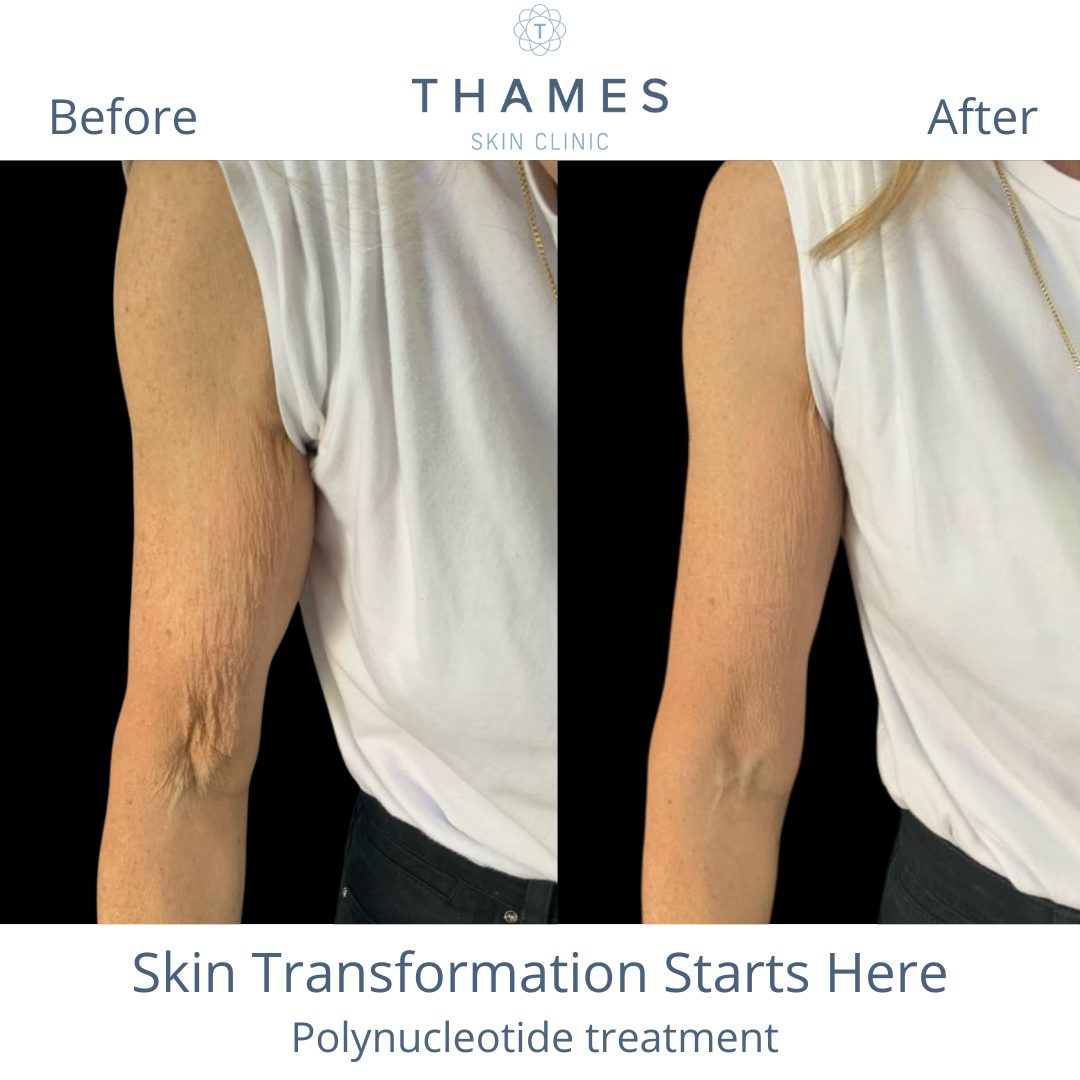
Polynucleotides are injectable bio-regenerative molecules derived from purified DNA fragments that play an important role in cellular function, repair and regeneration. When injected directly into the skin, polynucleotides help repair tissue, boost hydration and improve dullness, leaving the skin looking more radiant.
Polynucleotide treatments offer excellent benefits for the skin over time. They possess regenerative properties, stimulating collagen and elastin, which reduces fine lines and tightens the skin. Their healing effects also help reduce redness, heal sun-damaged skin and reduce pigmentation, which is particularly useful around the eyes. One of the best things about polynucleotides is their versatility. They can be safely used almost anywhere on the skin, from the face and eyelids to other parts of the body.
FAQs
-
How Safe are Polynucleotides?
Polynucleotides are generally very safe because they are biocompatible with our skin. There is a very low risk of allergic reactions or complications. Treatments are minimally invasive, injected directly into the skin without going deeper, which further reduces risks. They are only performed by regulated practitioners using high-quality products from leading pharmaceutical companies that have undergone rigorous clinical trials.
-
Who is a Good Candidate for Polynucleotides?
Anyone looking to improve their skin is a good candidate for polynucleotide treatments. They are particularly effective for:
- Thin or fragile skin
- Eye area rejuvenation
- Neck and décolletage
- Inflammatory skin conditions
- Post-laser or post-procedure healing
- Early ageing and skin fatigue
If you have allergies, active skin conditions or infections, you should consult a practitioner before seeking treatment.
-
How Long Do the Results From Polynucleotides Last?
The results and skin benefits from polynucleotides build gradually and typically last 6 to 9 months after a course (usually 2 to 3 treatments spaced 2 to 4 weeks apart). It typically takes a couple of weeks after your last session for the skin to bio-stimulate and show visible rejuvenation and regeneration effects.
Profhilo
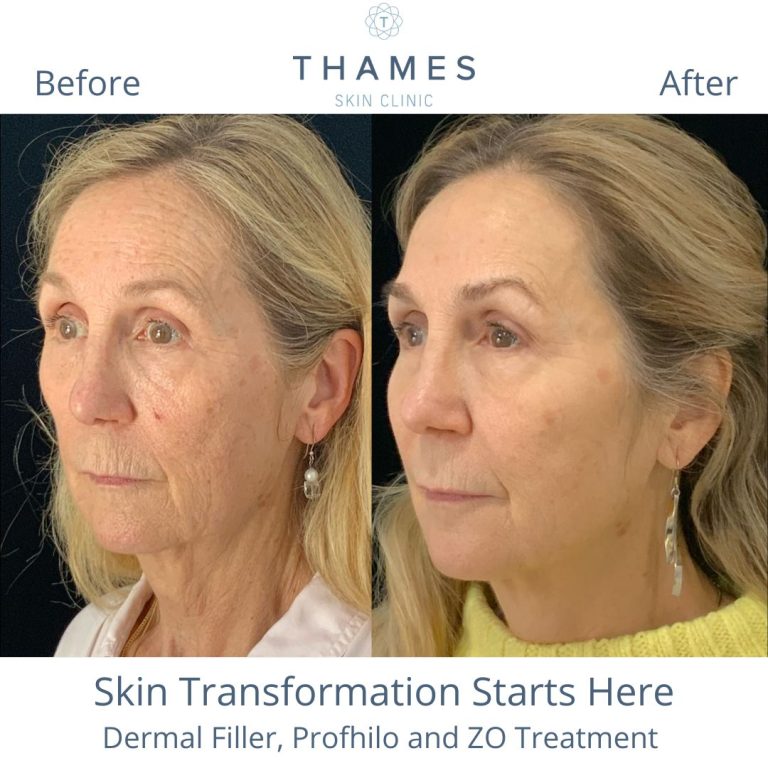
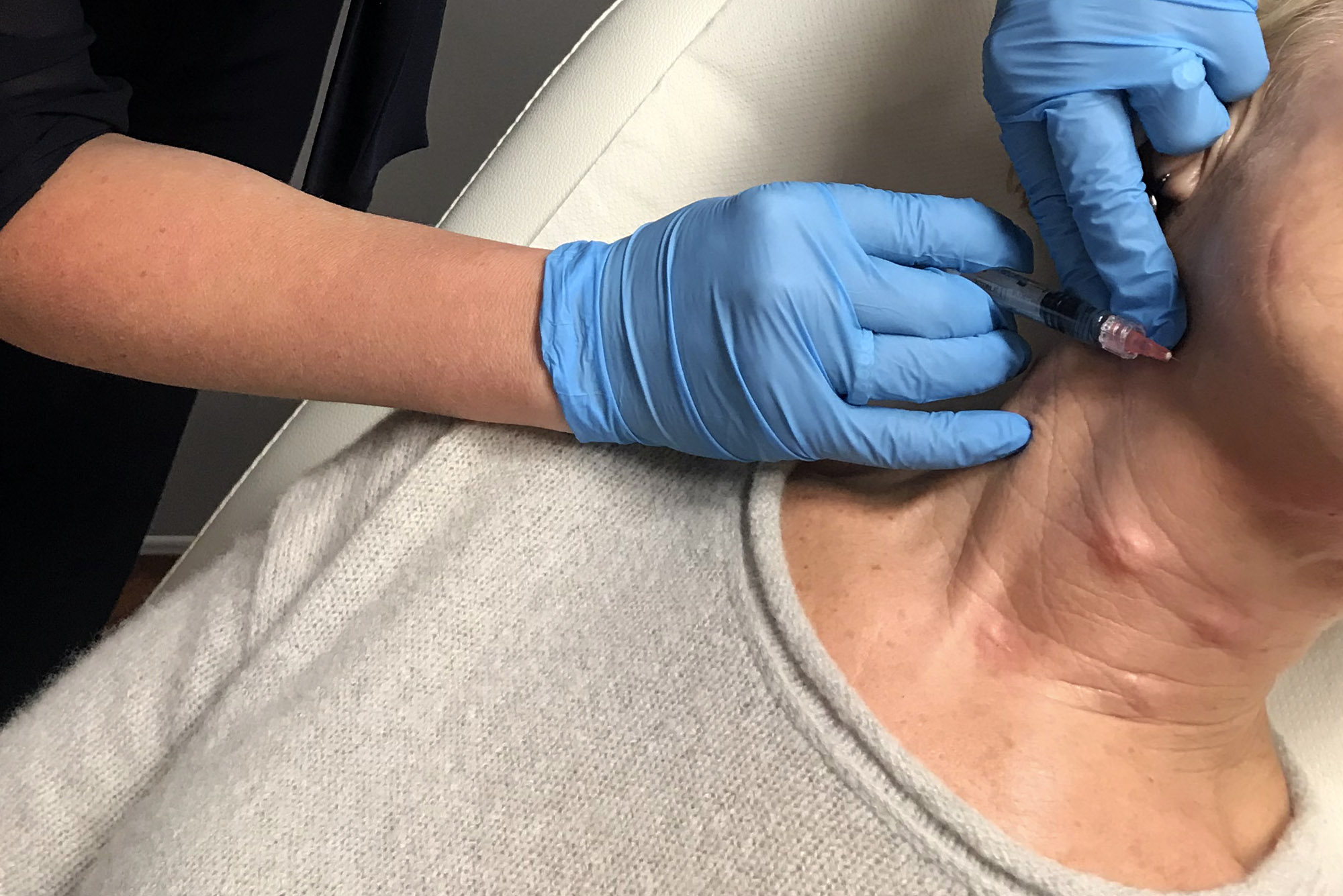
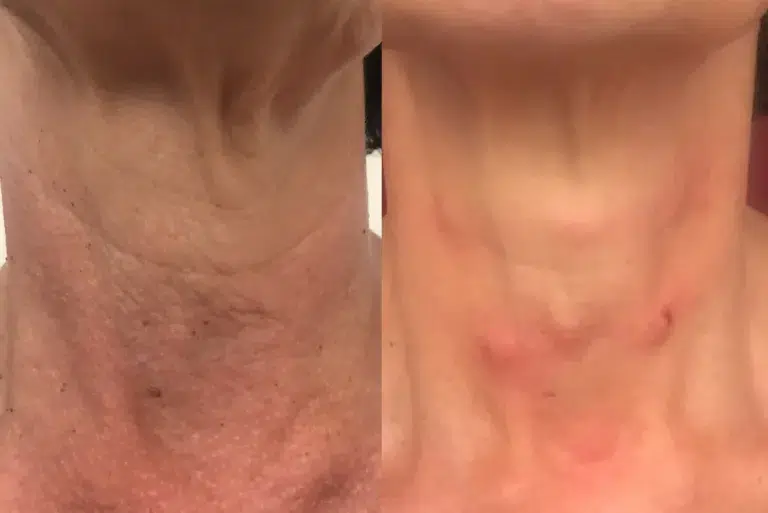
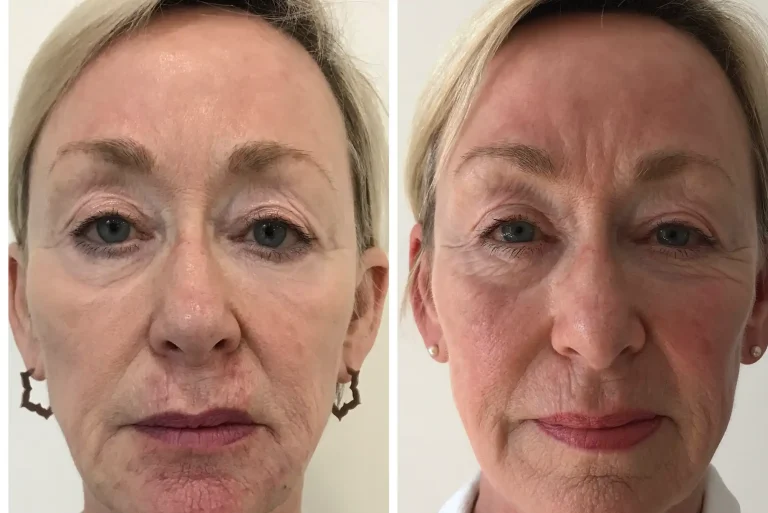
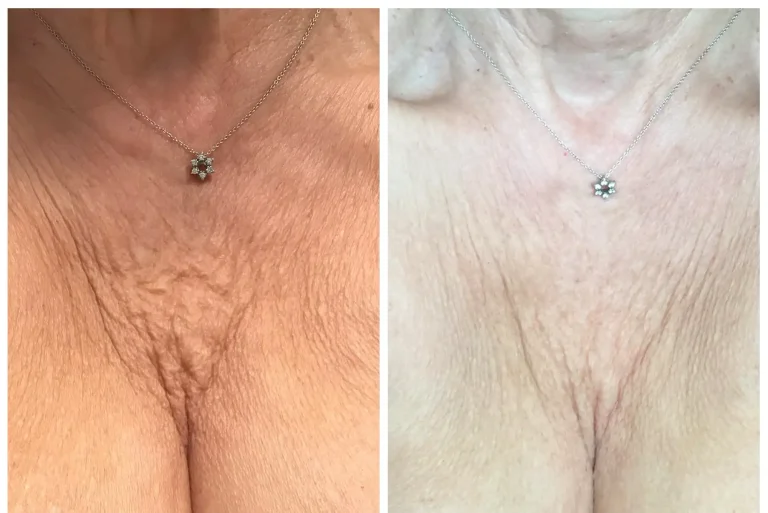
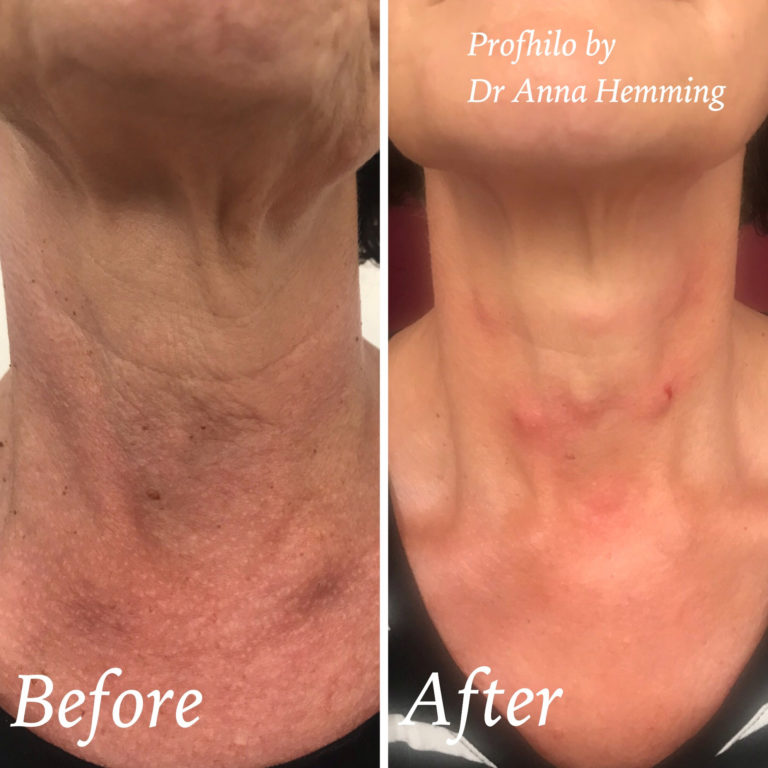
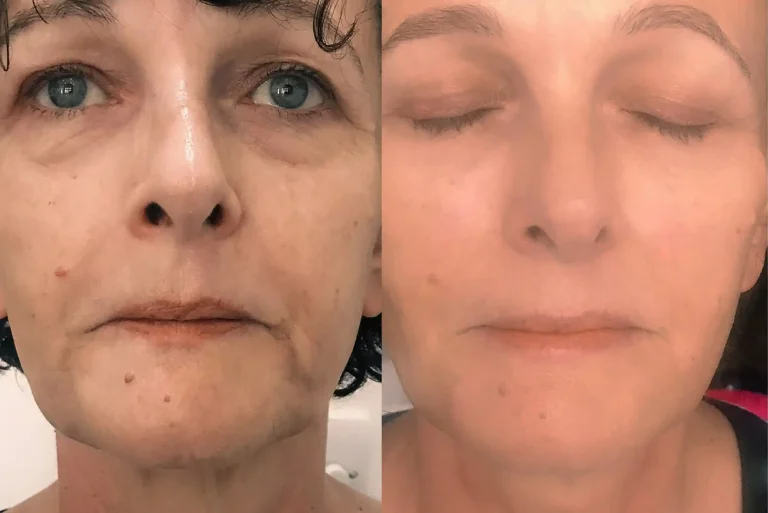
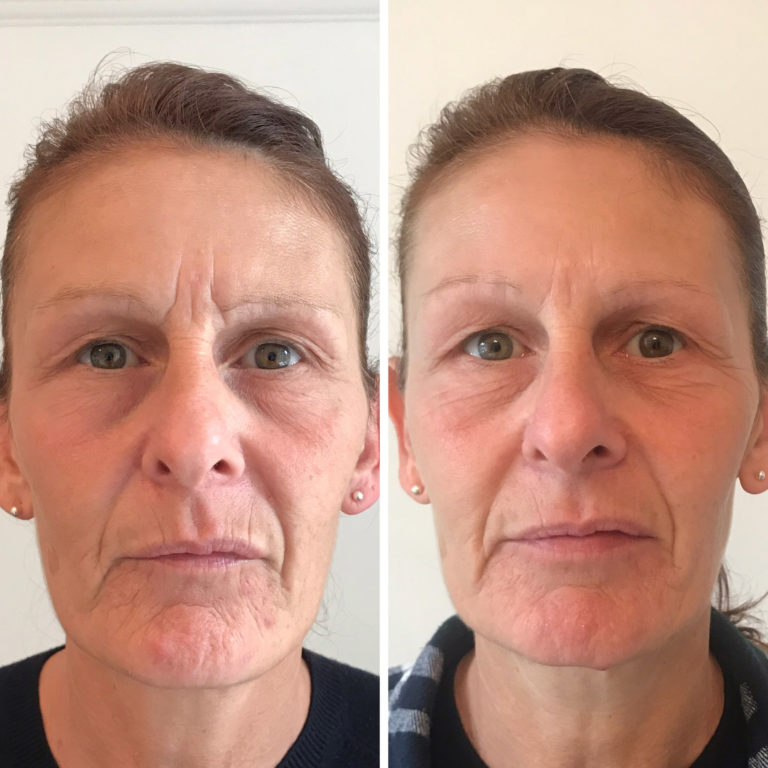
Profhilo is an ultra-pure hyaluronic acid injectable designed to bio-remodel the skin and can be described as an ‘injectable moisturiser’. It contains one of the highest concentrations of hyaluronic acid available and spreads evenly through the tissue, stimulating collagen and elastin production while deeply hydrating the dermis. Unlike dermal fillers, it does not add volume. Instead, its primary purpose is to improve skin tone, texture and overall quality, giving the skin a healthy glow and radiance.
One of the most interesting benefits of Profhilo is its ability to tighten the skin through bio-remodelling, helping to make collagen and elastin fibres more uniform. Profhilo is a true all-round skin quality treatment for skin that is looking tired, dull and lacking radiance.
Real Patient Results
FAQs
-
Which Areas Can be Treated With Profhilo?
Profhilo can be used on several areas of the face and body, including the face, neck, décolletage, hands, arms and other body areas affected by crepey skin. It is a versatile treatment that works well wherever skin quality needs improvement.
-
When Will I See Results From Profhilio?
Profhilo takes approximately 28 days to fully biodegrade within the skin, during which time improvements in hydration, texture and firmness continue to develop.
Most patients begin to notice subtle improvements in skin quality within a few weeks of their first session, such as increased glow and smoother texture. However, the best and most noticeable results are typically seen after completing the recommended course of two treatments, spaced four weeks apart. Final results usually become visible around two months after the first treatment
-
How Long Do Profhilo injections Last?
Results from Profhilo typically last between 6 and 9 months following a full course of treatment. In some individuals, benefits may last up to 12 months, depending on factors such as age, skin condition, metabolism, lifestyle and overall skin health.
-
What are the Different Types of Profhilo?
There are two main types of Profhilo:
- Profhilo: Designed for skin rejuvenation, improving hydration, firmness and elasticity. It stimulates collagen and elastin production to give a smoother, more youthful appearance.
- Profhilo Structura: Targets superficial fat restoration, ideal for areas like sunken cheeks and cheek hollows. Rather than adding volume, it supports and regenerates the superficial fat layer beneath the skin, improving structure and contour naturally.
Biostimulators
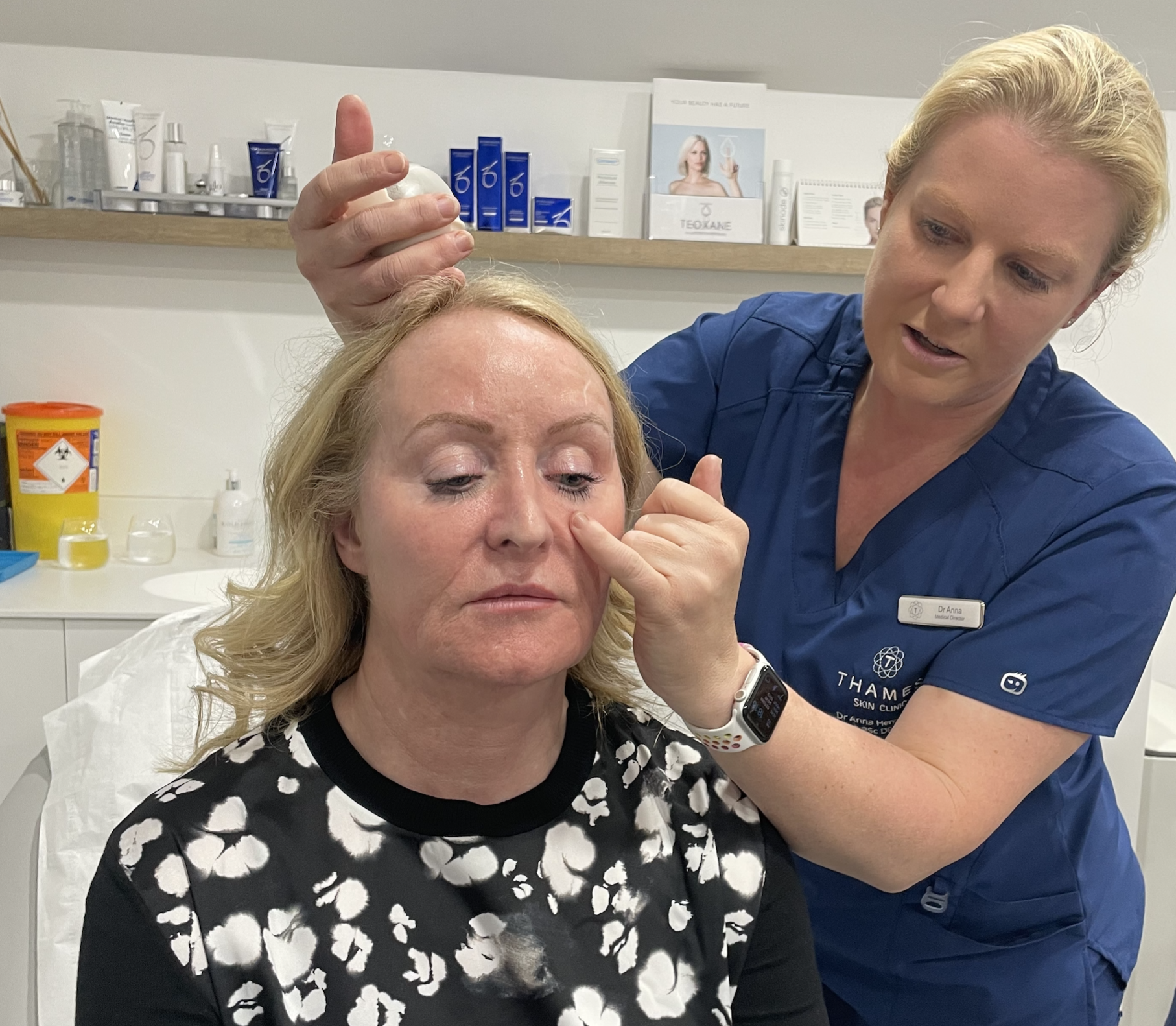
Biostimulators are compounds that are injected into the deep layer of the dermis and stimulate the body’s natural collagen.Over time, this leads to gradual improvement in skin firmness, structure and quality, along with gentle volume.
Biostimulators include treatments such as Juläine and Ellansé. Each product contains a different active molecule, such as polycaprolactone (PCL), which stimulates fibroblasts to produce new collagen as it gradually breaks down within the tissue.
Biostimulators are excellent for addressing general facial volume loss and skin laxity over time, whilst improving skin thickness, healing and volume.
FAQs
-
How are Biostimulators Different From Hyaluronic Acid Fillers?
Hyaluronic acid fillers provide predictable, immediate volume and contour. Bio stimulators, on the other hand, focus on gradually rejuvenating the skin by stimulating your own collagen production. Over weeks and months, this encourages firmer, thicker and more resilient tissue.
-
Do Biostimulators Give Immediate Results?
Bio stimulators work gradually by activating fibroblasts to produce new collagen over several weeks to months. While you may notice some initial volume from the carrier gel, the full benefits develop over time. Results from a course of treatments (usually 2–3 sessions spaced 4–6 weeks apart) can last two years or more.
-
Can Biostimulators be Combined with Other Treatments?
Absolutely. They are often paired with hyaluronic acid fillers to refine shape and add definition once a collagen foundation has been restored. They can also be combined with energy-based treatments for enhanced skin tightening and rejuvenation.
Juläine
Juläine is a long-acting injectable collagen stimulator designed to naturally rejuvenate the skin. Its active ingredient, poly L-lactic acid (PLLA), works deep in the dermis to stimulate type I collagen, which is the same collagen our skin produces naturally. By promoting healthy collagen production, Juläine helps to reverse signs of ageing, improve skin structure and restore a youthful, natural firmness.
- It is highly versatile and can be used to address
- General facial volume loss
- Cheeks and temples
- Jawline softening
- Skin laxity on the face, neck and body
In addition to improving volume and firmness, Juläine can enhance skin quality by reducing inflammation and pigmentation. This leaves the skin looking healthier and more radiant over time.
FAQs
-
When Will I See Results From Juläine, and How Long Do They Last?
Collagen stimulation begins within a few weeks and continues for up to 3 to 4 months after each treatment. The effects of Juläine can last up to two years due to the long-acting PLLA microspheres.
-
Who is an Ideal Candidate For Juläine?
Ideal candidates for Juläine are adults seeking to improve collagen, elasticity and skin firmness. Most commonly, patients aged 40 to 60 notice the first signs of ageing, but younger or older patients with skin damage or laxity can also benefit. Most skin types respond well, though it’s not recommended for very thin skin or areas with minimal subcutaneous tissue, such as the lips or tear trough.








What To Expect During Your Appointment
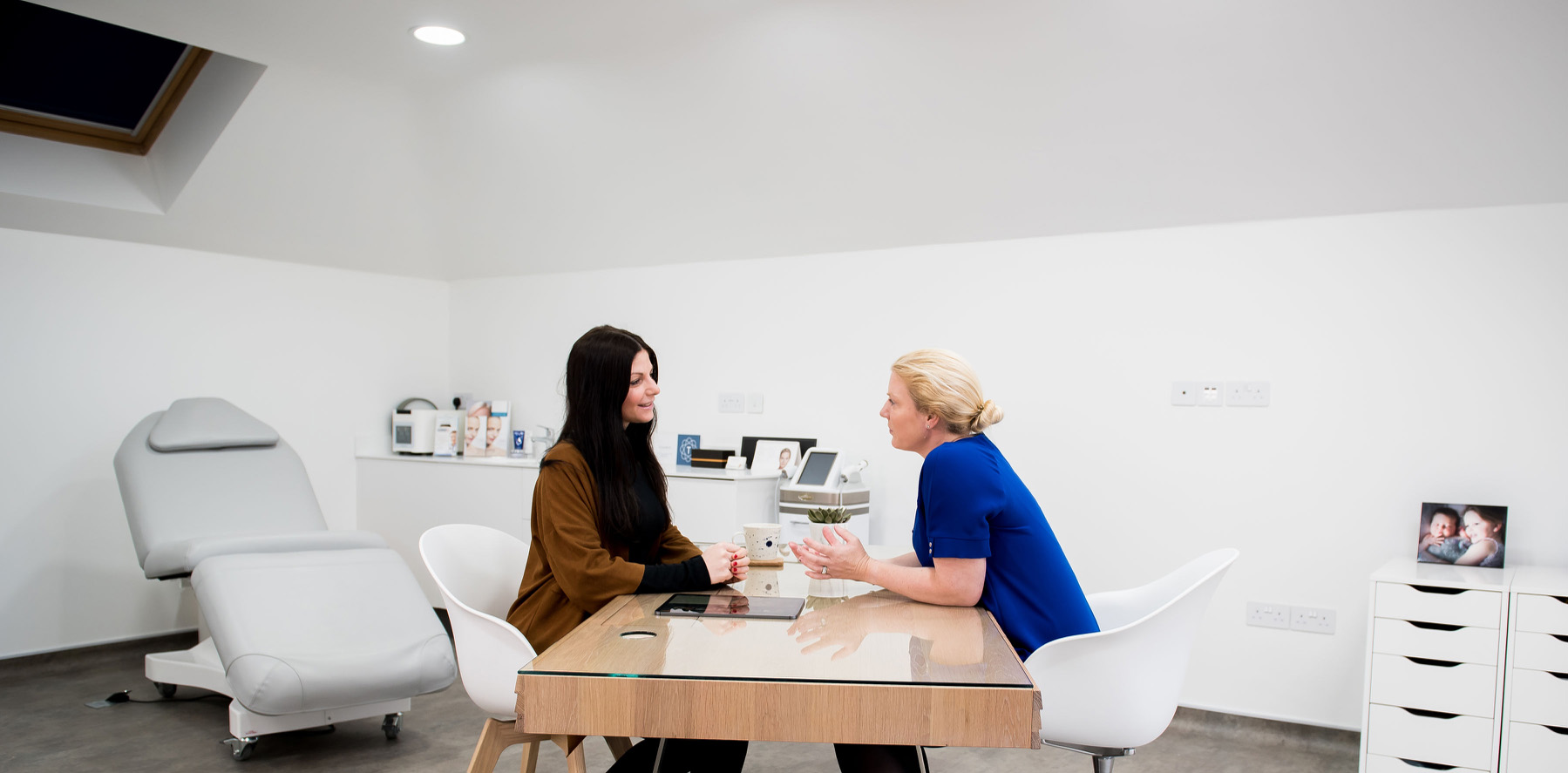
Every injectable treatment at Thames Skin Clinic begins with a doctor‑led consultation. It’s here we can first discuss your concerns, whether it’s wrinkles, sagging, volume or overall skin quality. During your appointment, we can also conduct a thorough skin and health assessment using skin analysis scanning to support our treatment plan.
Once your medical history and concerns have been reviewed in depth, we can start creating your personalised treatment plan, which might be a single treatment or a multi-step approach. During this process, your clinician will explain how each injectable works, expected outcomes, potential side effects and aftercare guidance so you feel informed and confident before any treatment is scheduled.
When you arrive at the clinic for your treatment:
- Your clinician will review your personalised treatment plan.
- The treatment area will be cleansed and prepared, and a topical anaesthetic may be applied for comfort.
- Injectables are administered using precise, minimally invasive techniques.
- You will receive aftercare guidance, including what to expect in the hours and days following treatment.
- Follow-up appointments may be scheduled to assess results and plan any additional treatments.
Book your doctor‑led consultation today and start a tailored treatment plan with the medically trained team at Thames Skin Clinic.
Contact Us Today
Getting To The Clinic
Clinic Address
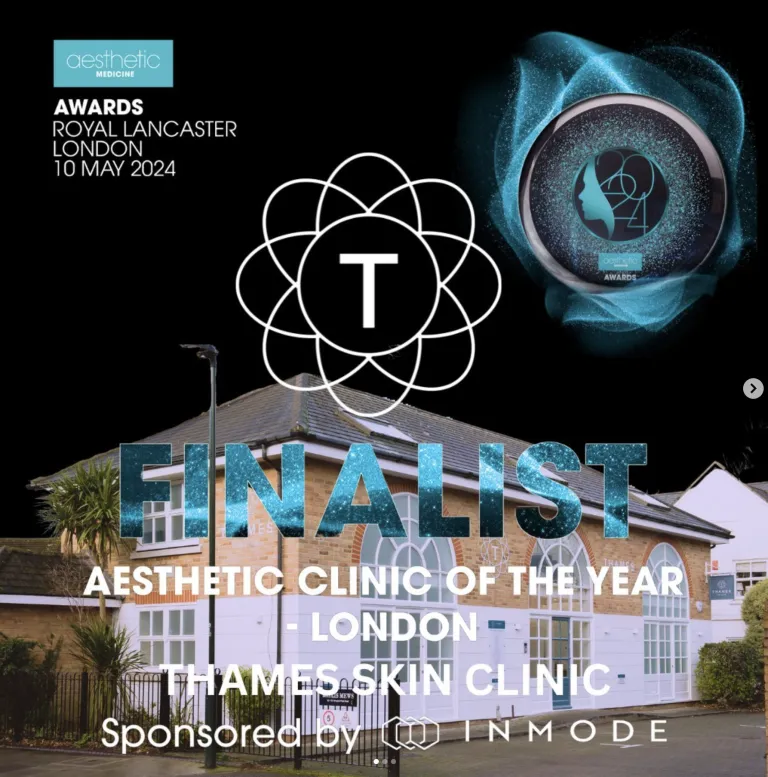
Thames Skin Clinic 1-3 Baylis Mews Twickenham TW1 3HQ. Please call 0208 068 1145 to speak directly to a team member.
By Train
Thames Skin Clinic is conveniently located in Twickenham, with excellent rail connections from across the UK. The nearest station is Twickenham Train Station, just a 5 minute walk from the clinic. Direct South Western Railway services run from London Waterloo (20-25 mins), Clapham Junction (10-15 mins) and Richmond (5 mins).
From the North, Midlands and Wales, travel via London Euston or Paddington before connecting at Waterloo. From the South and West, change at Reading, Clapham Junction, or Woking. If arriving from the East, transfer to Liverpool Street.
By Car
Thames Skin Clinic is located in Twickenham and is easily accessible by car from London and surrounding areas.
From Central London – Take the A4 or A316 towards Richmond, then follow the A310 into Twickenham.
From the M25 – Exit at Junction 12 (M3), continue on the M3/A316, then take the turnoff towards Twickenham town centre.
From the South and West – Use the M3, M4, or A3, connecting to the A316 into Twickenham.
Parking
Free parking on site with disabled parking available.
Public Car Parks: The nearest public car park is Arragon Road Multi-Storey (TW1 3NG), just a short walk from the clinic.