


Award-Winning Skin Clinic
Thames Skin Clinic is a CQC‑registered, doctor‑led medical aesthetic clinic in Twickenham, South West London. We treat patients from Richmond, Teddington, Kingston, Wimbledon, Chiswick and across London, Surrey and the UK.
Our clinic is led by Dr Anna Hemming, a nationally recognised, multi-award-winning medical doctor and former GP to Buckingham Palace. We specialise in natural skin restoration, treating concerns such as acne, rosacea, pigmentation, ageing skin, scarring, redness, skin laxity and overall skin health.
Dr Anna’s passion for skin began as a personal journey. Having experienced rosacea and difficult skin herself, she understands how skin concerns can affect confidence, comfort and wellbeing. This is one of the reasons she has dedicated her career to helping patients restore healthier, stronger and more resilient skin.
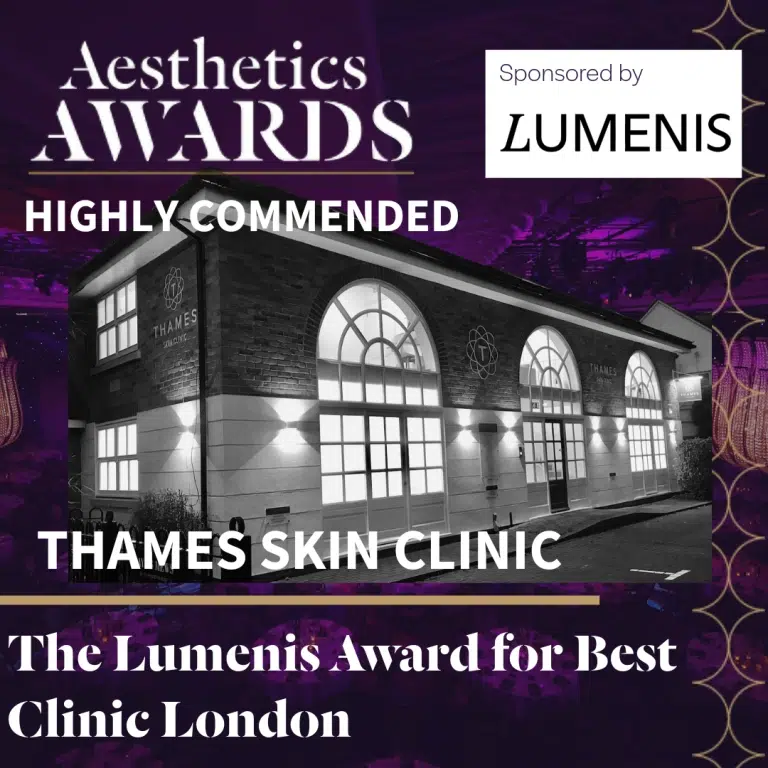
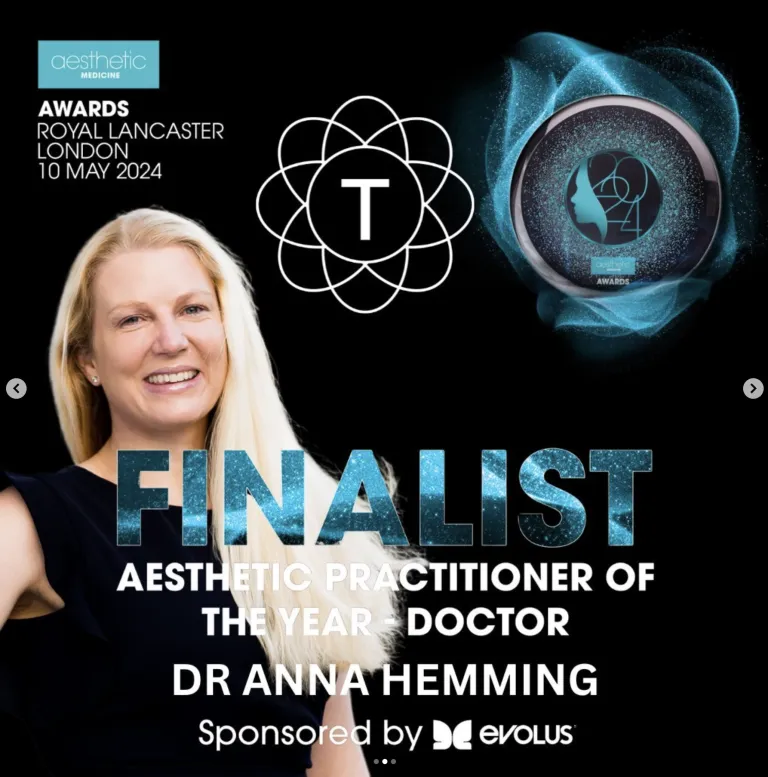
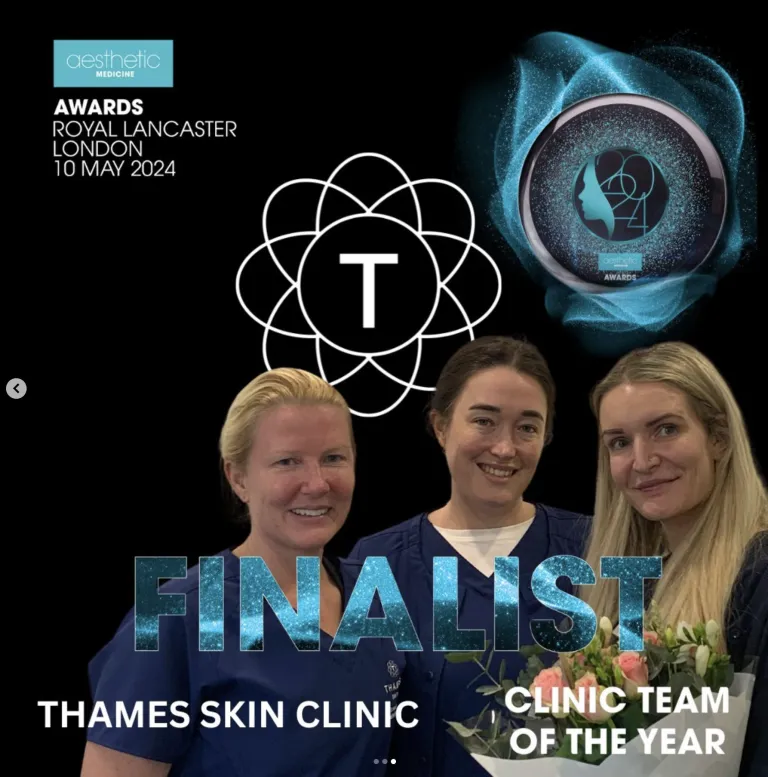
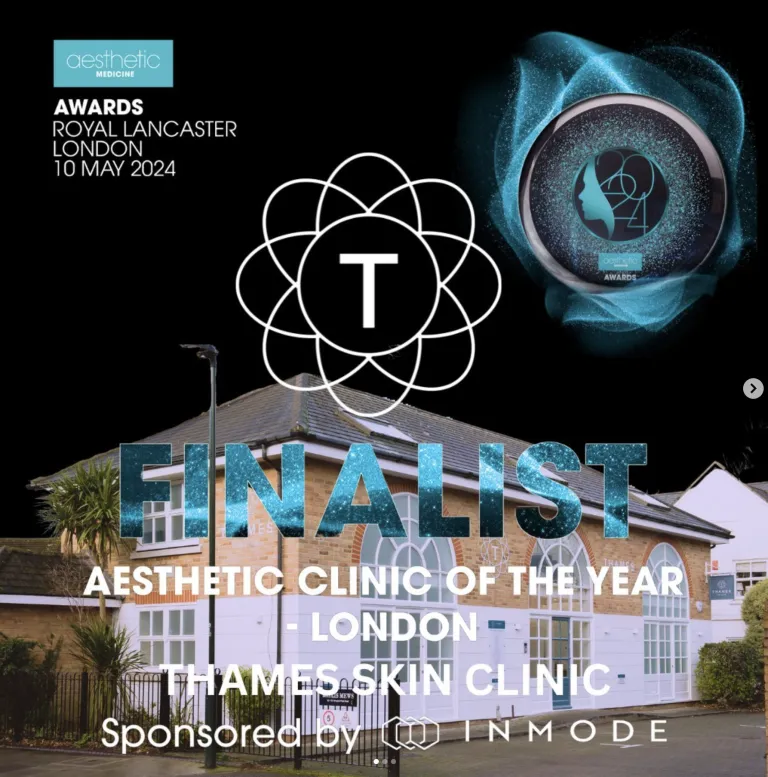
Her expertise has been recognised at the highest level of the medical aesthetics industry. Dr Anna was named Best Medical Practitioner (Doctor Category) at the Aesthetic Medicine Awards 2025 and Best Medical Practitioner (Doctor, Dentist or Surgeon) at the Aesthetics Awards 2026. She is also a Key Opinion Leader for Cutera and ZO Skin Health and an AviClear ambassador.



What Are the Common Skin Concerns We See?
The skin is the body’s largest organ and our protective shield. Every day, it defends us against the environment, repairs damage, regulates hydration and adapts to internal and external changes.
Over time, ageing, genetics, hormones, sun exposure and lifestyle factors can all affect how the skin looks, feels and functions. At Thames Skin Clinic, we regularly assess and treat concerns including:
- Fine lines and wrinkles
- Acne and acne scarring
- Pigmentation and uneven skin tone
- Redness and rosacea
- Sun damage and photodamage
- Volume loss and skin laxity
- Dehydration and dull skin
- Enlarged pores and uneven texture
- Under-eye concerns, including dark circles and hollowing
- Visible vessels and facial redness
- Skin sensitivity and barrier weakness
- Uneven skin texture and scarring
Some concerns appear on the surface of the skin, while others begin deeper within the dermis, blood vessels, pigment cells, sebaceous glands or underlying facial structures. Understanding the root cause is an essential part of how we assess and treat skin at Thames Skin Clinic.
Not Sure What Your Skin Concern Is?
Many skin concerns overlap. Redness may be rosacea, sensitivity, barrier damage or visible vessels. Pigmentation may be melasma, sun damage, post-inflammatory pigmentation or age-related changes. Breakouts may be acne, hormonal acne, rosacea-related spots or congestion.
At Thames Skin Clinic, we assess the skin medically before recommending treatment, so your plan is based on the cause of the concern rather than the visible symptom alone.
What Causes Skin Concerns?

When To Seek Medical Advice for Moles, Lesions or Pigmentation
Some pigmentation concerns are cosmetic, such as sun damage, melasma or post-inflammatory pigmentation. However, any new, changing, bleeding, itching, irregular or unusual mole, mark or skin lesion should be medically assessed before cosmetic treatment is considered.
At Thames Skin Clinic, patient safety comes first. Dr Anna Hemming is a medical doctor and former GP, and offers medical skin lesion and mole assessments, including mole checks and lesion removals where appropriate. If a lesion requires further investigation, dermatology referral or histology, this will be discussed as part of your assessment.
How We Treat Skin Concerns at Thames Skin Clinic
At Thames Skin Clinic, we treat skin concerns through medical assessment, skin restoration and carefully planned combination treatments, rather than isolated procedures.
Your treatment plan may include:
- Medical-grade skincare
- Prescription skincare where appropriate
- Laser treatments for redness, visible vessels, pigmentation, acne and skin rejuvenation
- AviClear for acne and congestion, where clinically appropriate
- Excel V+ and Laser Genesis for redness, rosacea, visible vessels and skin rejuvenation
- Microneedling and RF microneedling for texture, pores and scarring
- CO2 or resurfacing treatments for deeper skin renewal
- Injectable treatments for wrinkles, volume loss and facial balance
- Volume replacement to help support areas such as the cheeks, temples and jawline
- Skin boosters, polynucleotides or regenerative treatments where appropriate
- Lifestyle, trigger and long-term maintenance advice
Some patients need a simple plan focused on one concern. Others may benefit from a more structured skin restoration journey, combining skincare, laser, injectable, regenerative and maintenance treatments over time.
The aim is always to improve skin health, restore confidence and achieve natural-looking results.
Acne Concerns
Thames Skin Clinic is a CQC‑registered, doctor‑led medical aesthetic clinic in Twickenham, South West London. We treat patients from Richmond, Teddington, Kingston, Wimbledon, Chiswick and across London and Surrey.
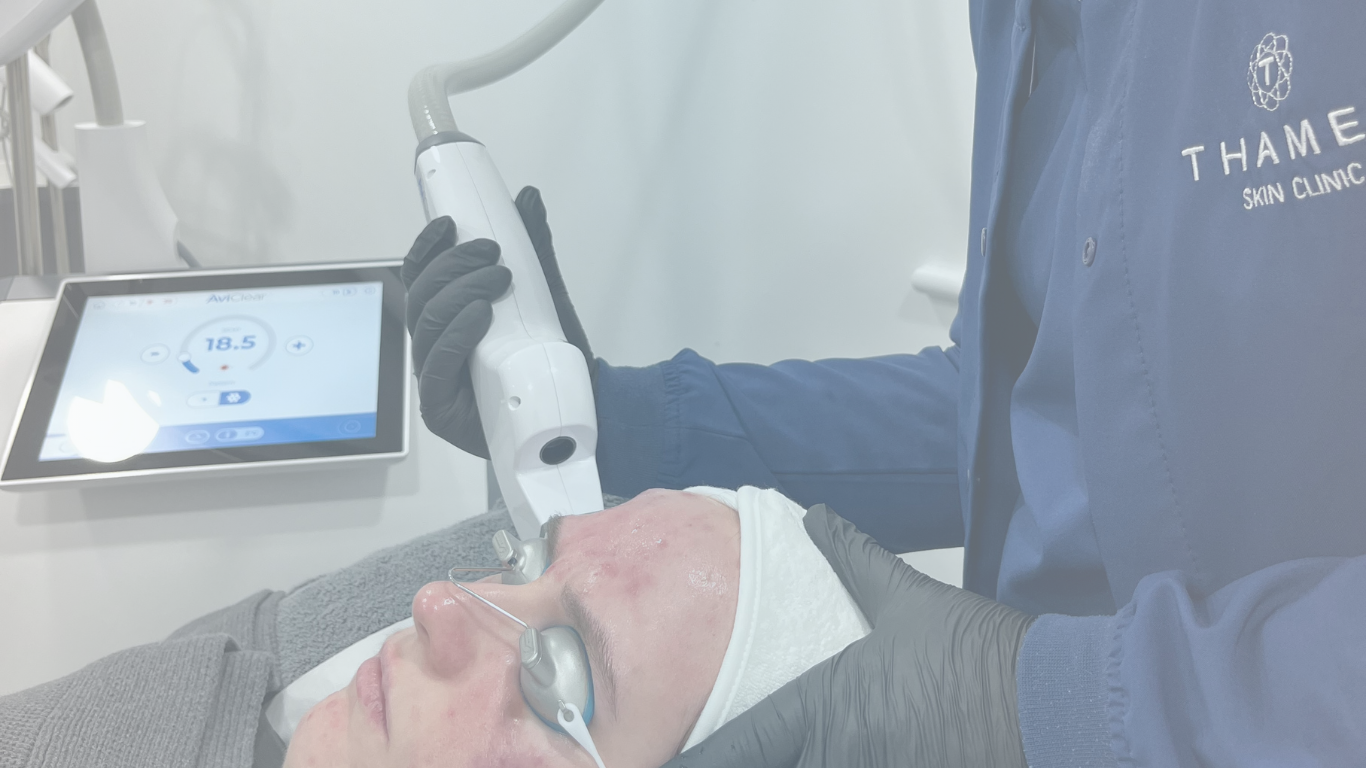
We are a leading acne clinic in Twickenham using AviClear laser, medical skincare and scar treatments.
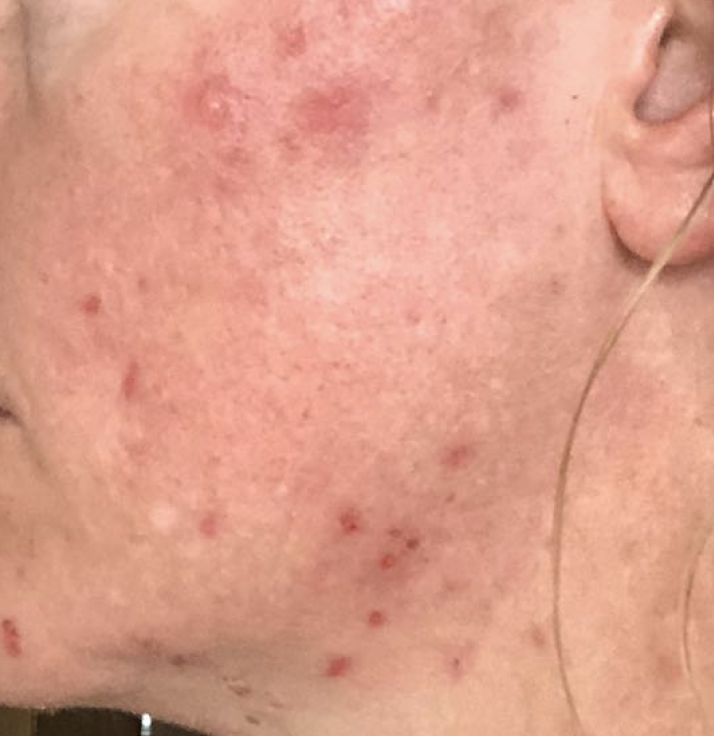
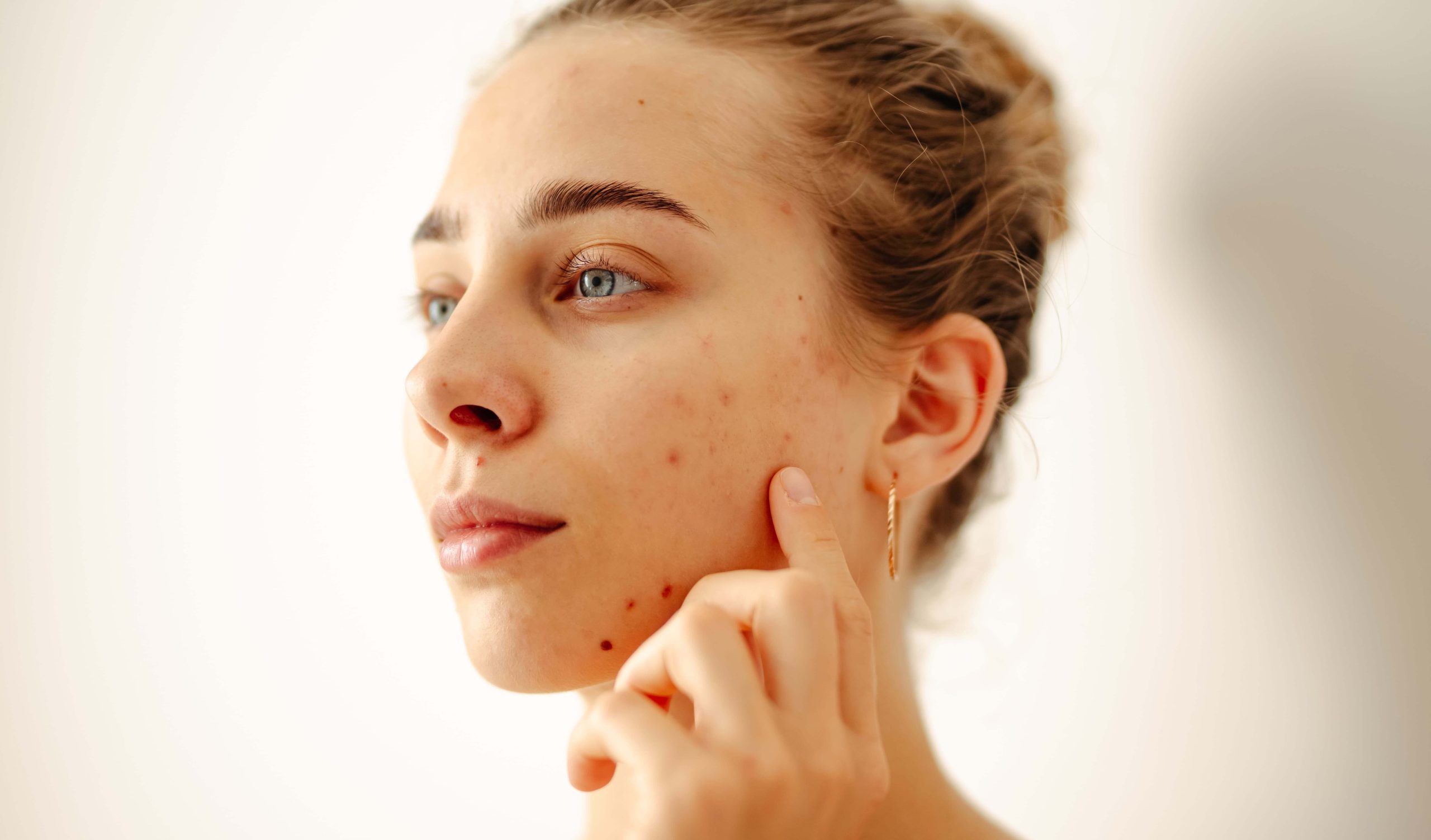
Acne is a chronic inflammatory skin condition affecting the hair follicles and oil glands, causing blackheads, whiteheads and inflamed spots. In more severe cases, It causes deep painful cysts that, if left untreated, can result in long-term scarring.
Acne rarely looks the same for everyone. Your breakouts might cluster on the chin and jaw, flare without warning in your 30s, run deep and painful or keep coming back despite everything you’ve tried. For many people, it’s not just the skin that’s affected; it’s confidence and how you feel day to day.
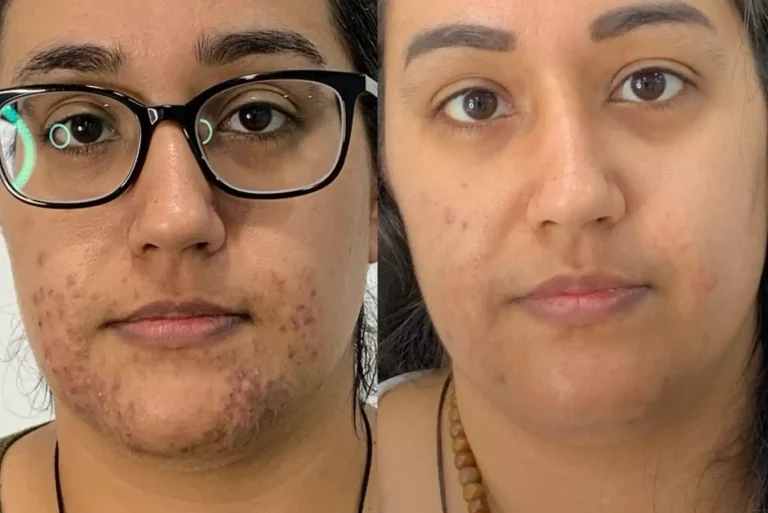
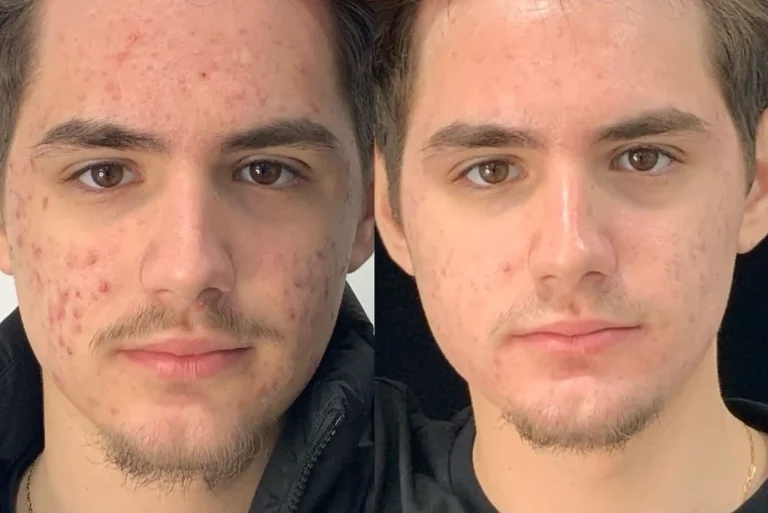
As an award-winning doctor-led clinic that specialises in acne treatments in Twickenham and London, we look at what’s driving it beneath the surface. We often see patients of all ages for acne, ranging from teenagers to adults. Using AviClear laser, bespoke skincare plans and scar treatments, we treat acne at every stage.
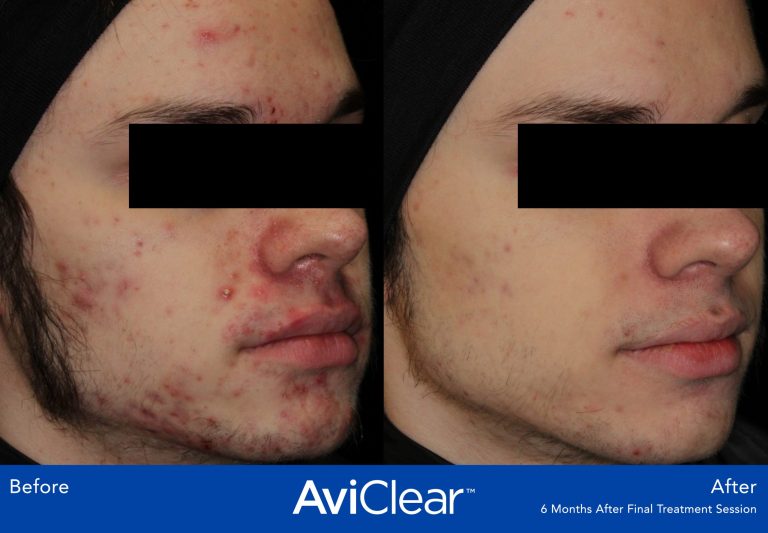
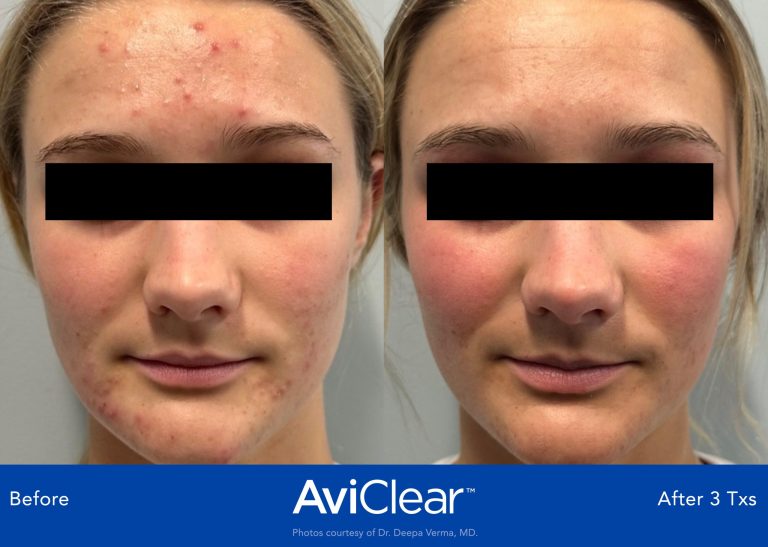
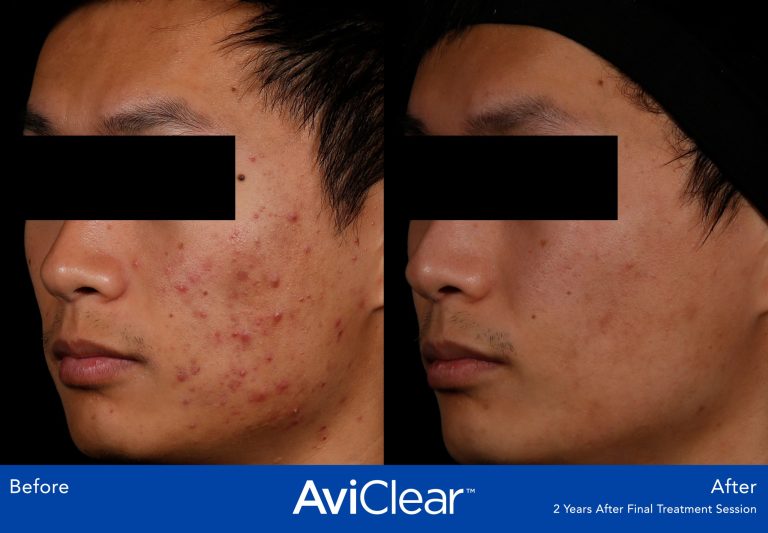
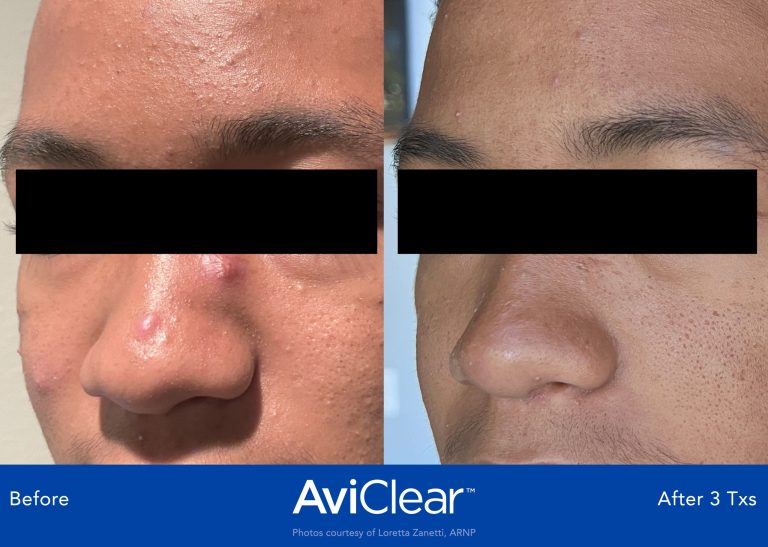
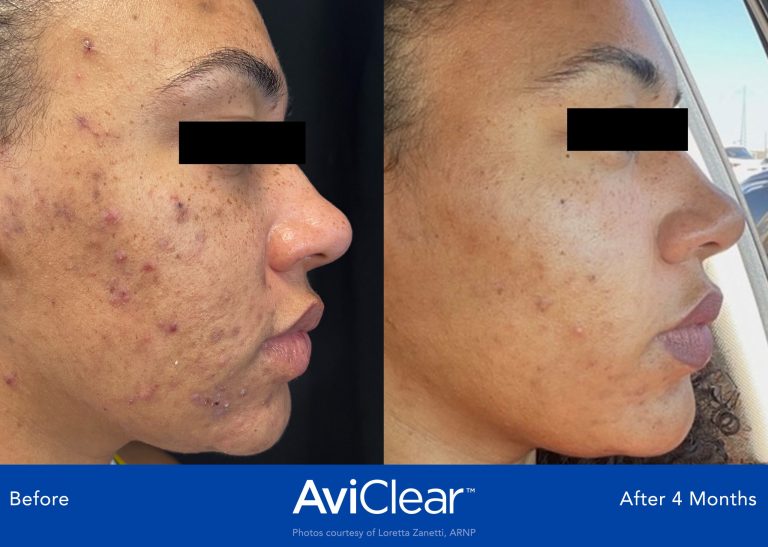
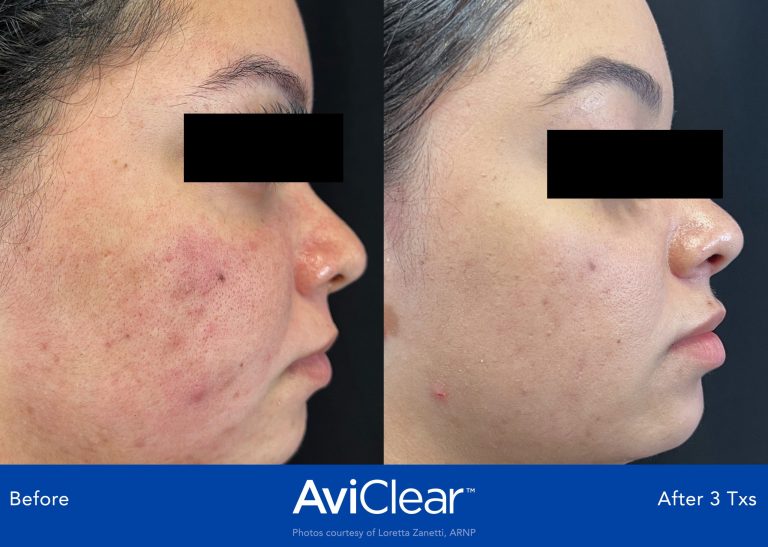
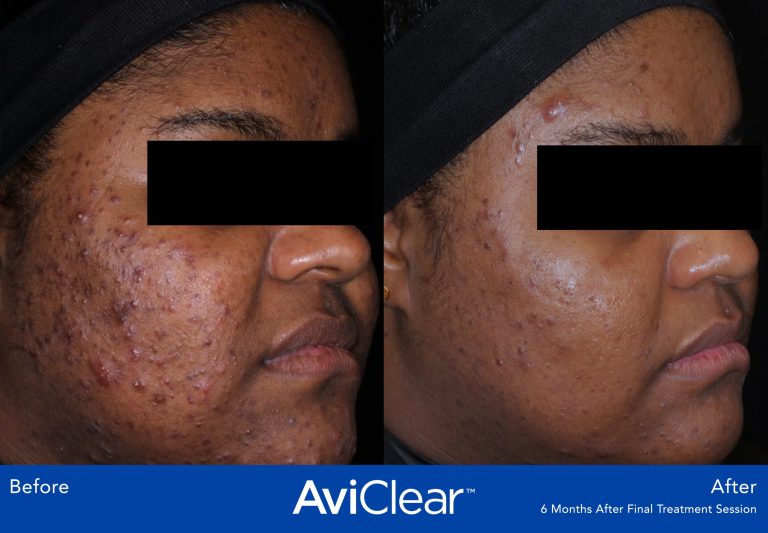
Real Patient Results
FAQs
-
Is My Acne Hormonal?
Your acne is likely hormonal if it clusters along the chin and jawline, flares predictably before your period and produces cyst-like, painful spots rather than surface blackheads.
The underlying cause of hormonal acne is androgen sensitivity. Most women with hormonal acne have skin that reacts to normal testosterone levels, which is why standard spot treatments rarely work. They address the surface, not the trigger. Hormonal acne can also return after Roaccutane and often doesn’t respond fully to topicals or antibiotics alone. Triggers include coming off the pill, perimenopause, stress and conditions like PCOS.
At Thames Skin Clinic, Dr Anna Hemming is experienced in identifying and treating acne in Twickenham with a hormonal root cause. If your acne is accompanied by irregular periods or excess hair growth, we factor this into your plan from your very first consultation.
For hormonal and PCOS-related acne, a combination of AviClear, medical-grade skincare and targeted in-clinic treatments can deliver lasting improvement even when other approaches have failed.
-
Can Adults Get Acne in Their 30s and 40s?
Yes. Adults can get acne in their 30s and 40s, and it is extremely common, with around 15 to 20% of adults aged between 25 and 40 experiencing it. There is a higher rate in women due to hormonal fluctuations.
Teen acne is mainly driven by puberty and tends to appear across the T-zone, forehead, nose and chin. Adult acne is often seen on the lower part of the face, particularly along the jawline, chin and neck, and spots are often inflamed and cystic. Acne breakouts in adults are influenced by stress, lifestyle, skincare habits and hormonal shifts.
-
Is There an Alternative to Roaccutane?
Yes. Roaccutane is an oral acne treatment often used for cystic acne. The best alternative is AviClear, an FDA-approved laser treatment that uses laser energy to suppress oil production. The main benefit of AviClear is that this treatment has no prescriptions, blood tests or systemic side effects. AviClear< is our Roaccutane alternative because it is:
- FDA‑cleared 1726 nm laser targeting sebaceous glands.
- Requires a typical 3 sessions, 4–6 weeks apart, with improvement maintained for 2+ years.
- No blood tests, prescriptions or systemic side effects.
AviClear delivers longer-lasting results than Roaccutane as improvements are maintained for over two years.
-
Can You Treat Acne Scars and Active Acne at the Same Clinic?
Yes. At Thames Skin, treating both active acne and acne scarring within one personalised plan is exactly how we work. Active acne and scarring are different stages of the same problem.
Active acne needs to be controlled first because ongoing breakouts can create new scars while older ones are being treated. Once active acne is stabilised, we can begin scar treatments.
For active acne, Thames Skin offers AviClear, ZO Skin Health active acne plans, HydraRadiance and Obagi Blue Peel Radiance. For scarring and redness left by spots, we offer acne scar laser and microneedling in Twickenham. This includes Secret RF Microneedling, Cutera Excel V+, Laser Genesis and medical chemical peels.
All of our acne treatments in Twickenham and South West London are customised to your skin health.

Rosacea Concerns
Thames Skin Clinic is a CQC‑registered, doctor‑led medical aesthetic clinic in Twickenham, South West London. We treat patients from Richmond, Teddington, Kingston, Wimbledon, Chiswick and across London and Surrey.
We provide rosacea treatment in Twickenham and South West London, combining Excel V+ vascular laser with medical skincare.
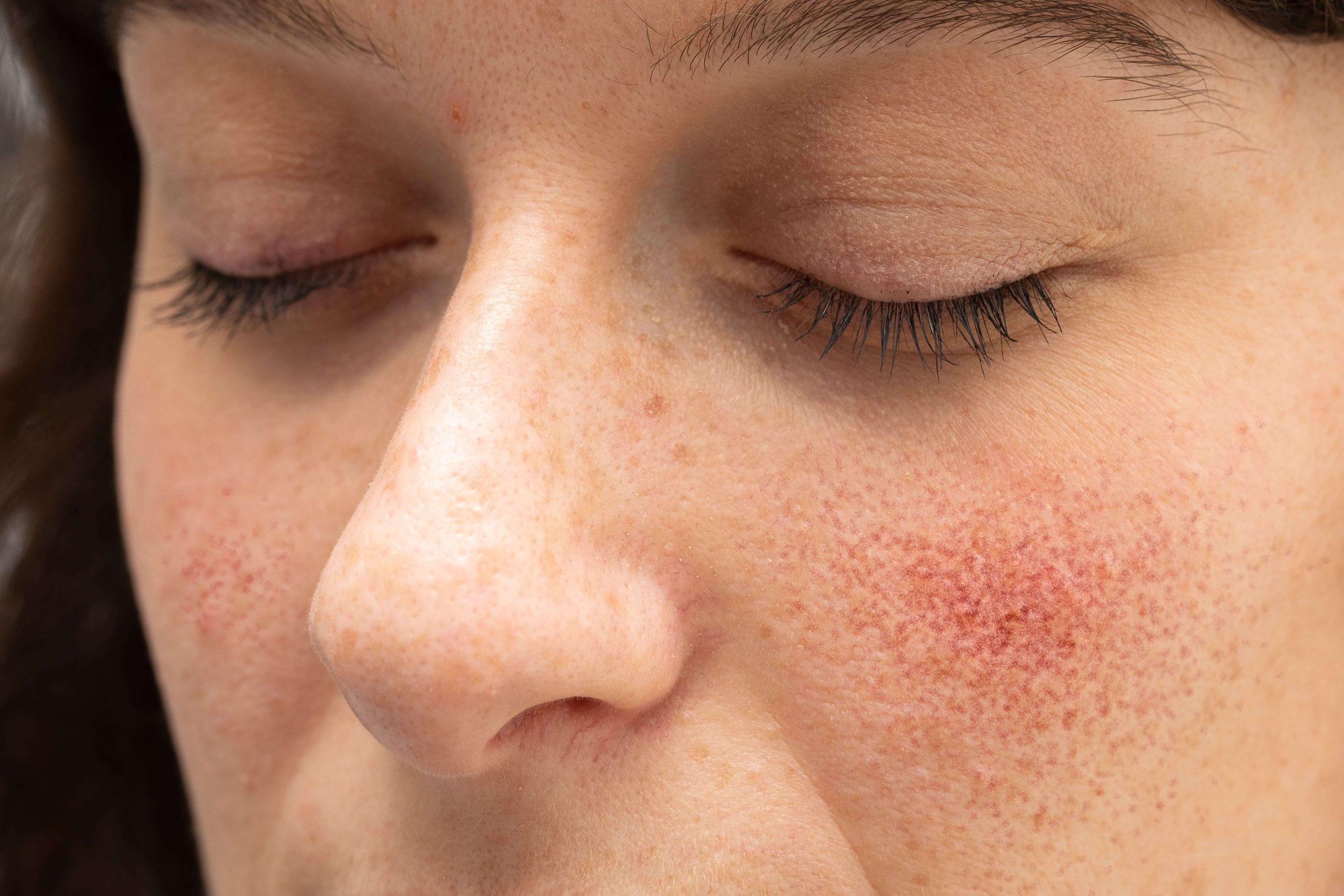
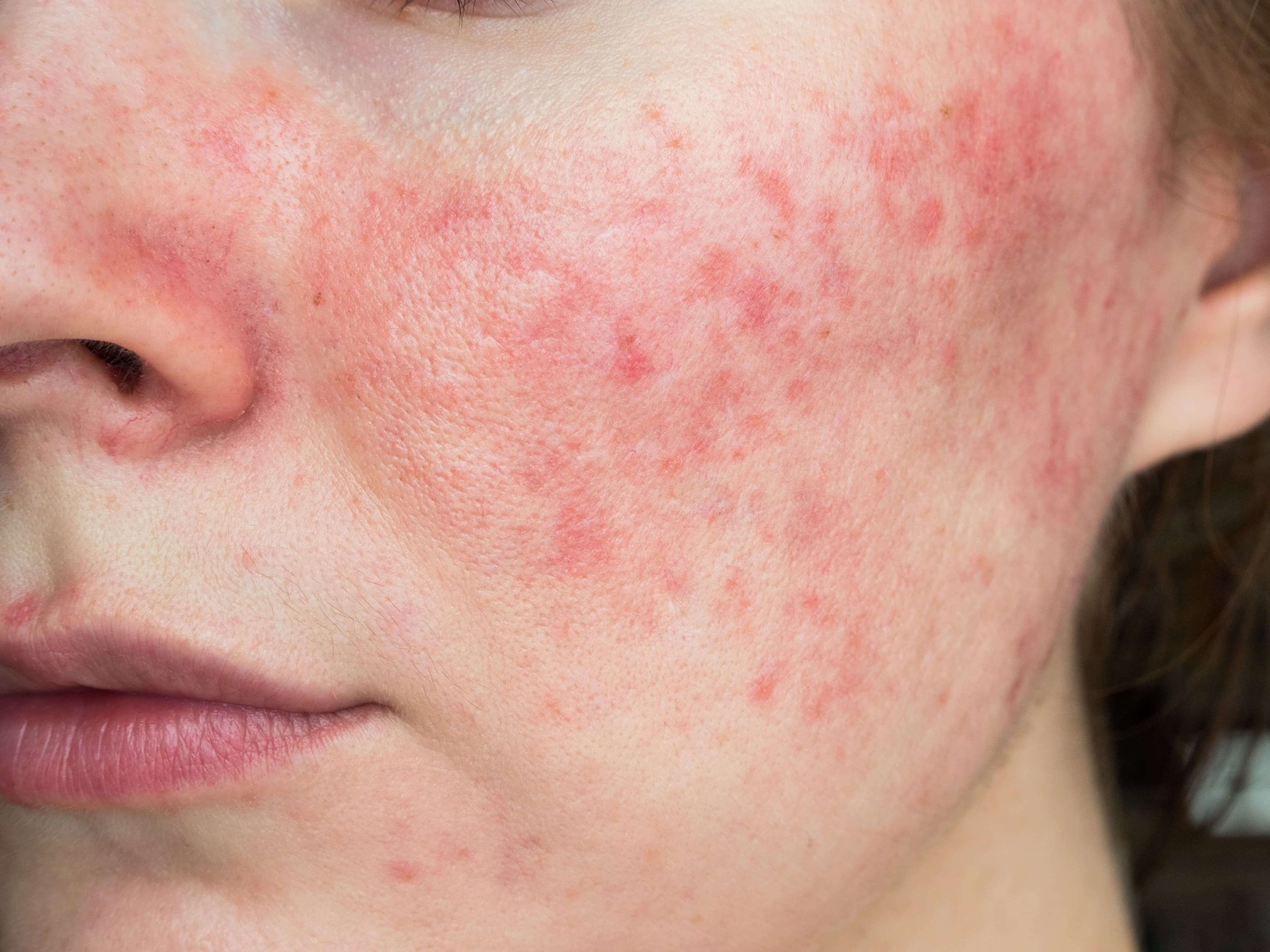
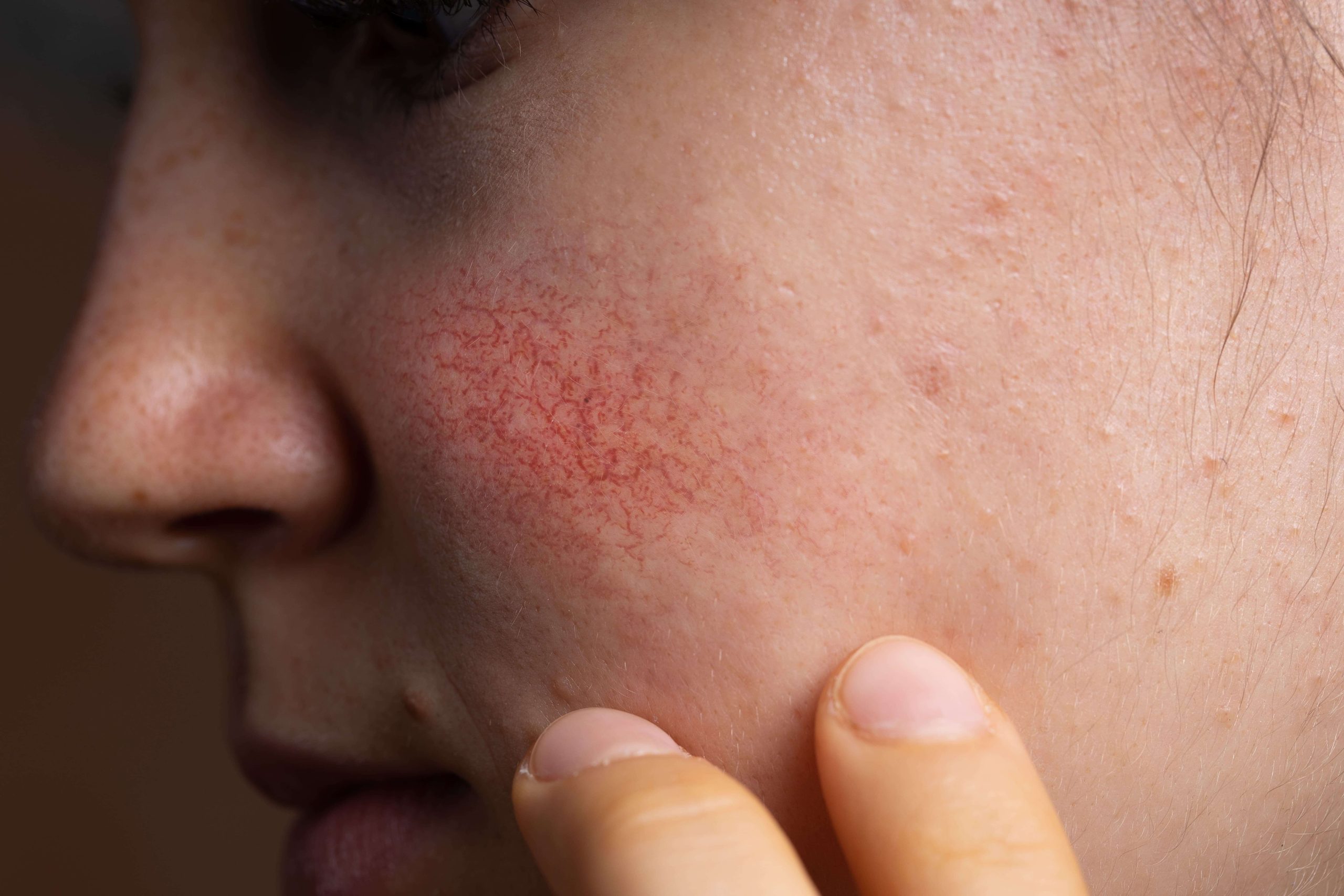
Rosacea is a chronic inflammatory skin condition that often shows up as persistent redness, flushing and visible thread veins, usually across the cheeks and nose. Rosacea is a pattern, not just a reaction. Maybe your face flushes at the smallest thing, you’ve been treating spots that appear like acne, or your skin reacts to almost everything.
At Thames Skin Clinic, rosacea is one of our core specialisms. Dr Anna Hemming has managed rosacea personally and clinically for over two decades. We assess your skin type, your triggers and your rosacea phenotype before putting together a personalised treatment plan. Papulopustular, vascular and phymatous rosacea are each driven differently, and each type needs a different plan.
The best treatments include Excel V+ laser for thread veins and Laser Genesis for persistent redness, AviClear for oily breakout-type rosacea and exosome therapy for the most reactive skin. We have a pathway for all types of rosacea. Find out which one is yours.
What’s Causing Your Rosacea?
The exact cause of rosacea isn’t fully understood, but it appears to result from a combination of genetics and environmental triggers.
The immune system overreacts to certain triggers, which causes the blood vessels in the face to swell and become more visible. Triggers that make rosacea symptoms worse and set off flare-ups, including:
- Heat
- UV
- Alcohol
- Spicy foods
- Stress
- Hormonal changes
For some people, rosacea presents as a constant background redness. For others, it comes and goes in flare-ups, sometimes alongside sensitivity, dryness or acne-like breakouts. It can feel unpredictable.
We provide rosacea treatment in Twickenham and South West London for these types of rosacea, supporting patients with persistent redness and sensitive skin. If you think your rosacea is linked to your perimenopause or menopause or need a skincare routine for rosacea-prone skin, book a consultation with Thames Skin Clinic.
Real Patient Results


FAQs
-
Is My Redness Rosacea or Just Sensitive Skin?
Sensitive skin reacts when the barrier is disrupted, then settles. Redness caused by rosacea has a pattern. It is persistent redness across the cheeks and nose, flushing that takes longer to resolve each time and often visible thread veins. If your redness is becoming more constant rather than occasional, rosacea is the more likely explanation. A proper skin assessment is the only way to be certain because treating rosacea as sensitivity isn’t effective.
-
Can Thread Veins and Facial Redness Actually be Removed?
Yes. Visible thread veins and persistent redness don’t respond to skincare alone – but they respond well to vascular lasers. At Thames Skin, we use the Cutera Excel V+, a medically regulated laser that targets the blood vessels causing redness without damaging surrounding skin. A course of three sessions, spaced one month apart, produces a significant visible reduction in most patients, with Laser Genesis used for ongoing maintenance.
-
My Skin Reacts to Almost Everything, Can It Still Be Treated?
Yes. This is exactly the type of rosacea Thames Skin sees most. Highly reactive rosacea needs a different starting point: a desensitisation phase that calms the inflammatory response and rebuilds the skin barrier before any active treatment begins. This typically involves plant-derived exosomes, a gentle HydraFacial and a structured ZO Skin Health plan.
-
Can Menopause Trigger Rosacea, And Can It Be Treated?
Yes. Hormonal changes during perimenopause and menopause are one of the most common triggers for rosacea onset or worsening in women over 45. Oestrogen decline affects the skin’s vascular tone and barrier function, making blood vessels more reactive and the skin more susceptible to flushing. At Thames Skin, we factor hormonal context into every rosacea consultation we have at our Twickenham-based skin clinic. This is particularly important for patients who’ve noticed symptoms developing alongside other menopausal changes.
Ageing Skin, Lines & Wrinkles Concerns
Thames Skin Clinic is a CQC‑registered, doctor‑led medical aesthetic clinic in Twickenham, South West London. We treat patients from Richmond, Teddington, Kingston, Wimbledon, Chiswick and across London and Surrey.
For wrinkles and facial ageing, we offer anti‑wrinkle injections and regenerative injectables to patients across Twickenham, Richmond and wider London.
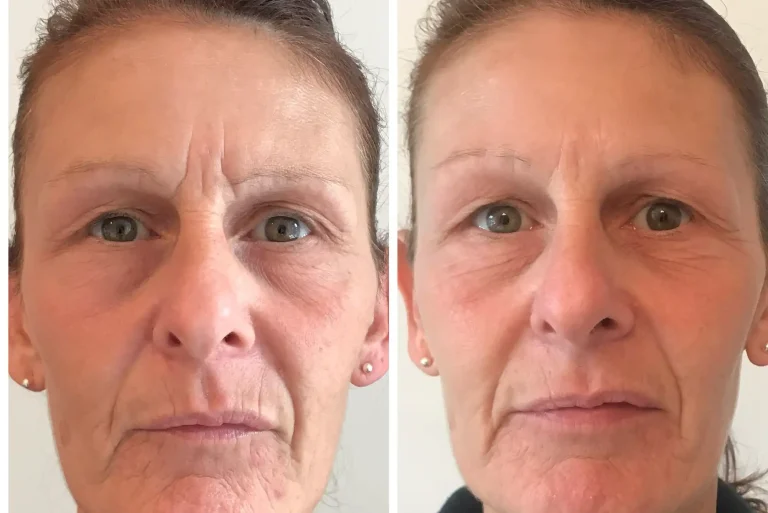
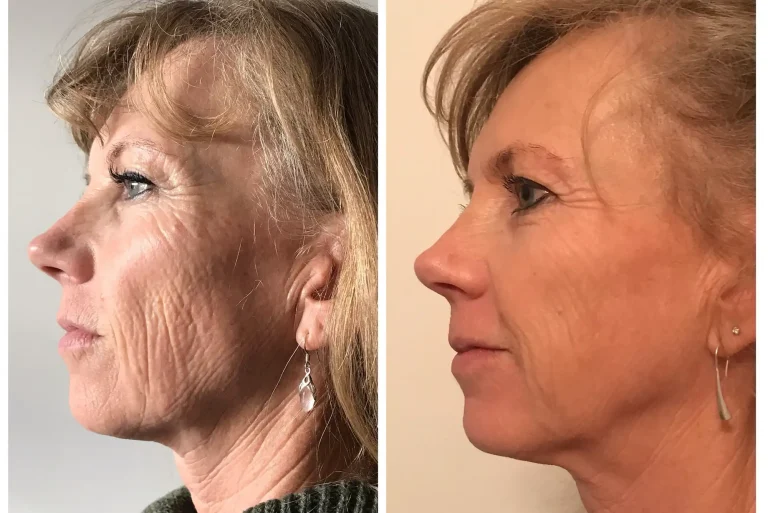
The process of our skin ageing is gradual. You may first notice fine lines that deepen when you smile but won’t quite fade anymore or a dullness that skincare isn’t shifting. At Thames Skin Clinic, we approach skin ageing the same way we approach every skin concern by diagnosis before recommendation. Facial ageing has three distinct components: changes in the skin surface itself, loss of volume in the fat and structural layers beneath and tissue laxity. Each needs a different response.
We have a suite of treatment options to address wrinkles and fine lines at our Twickenham skin clinic. This includes
- Anti-wrinkle injections
- Profhilo
- Profhilo Structura
- Polynucleotides
- Regenerative injectables
- Medical-grade ZO Skin Health
- Dermal Fillers
- Skin Tightening Treatments
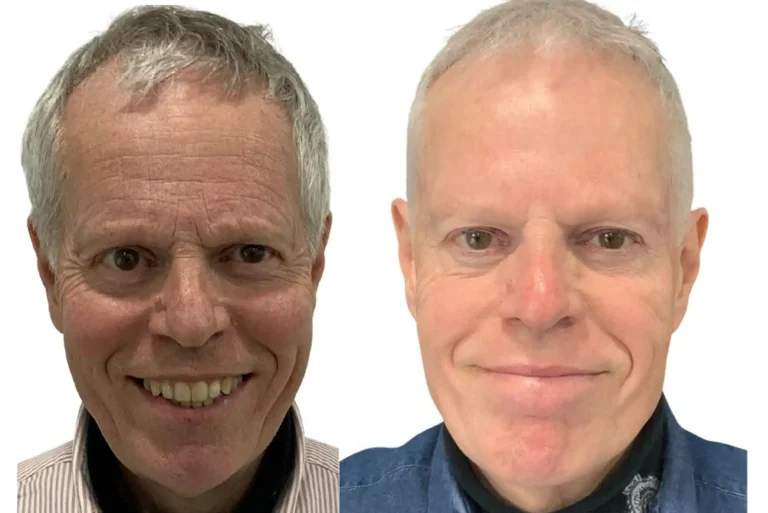
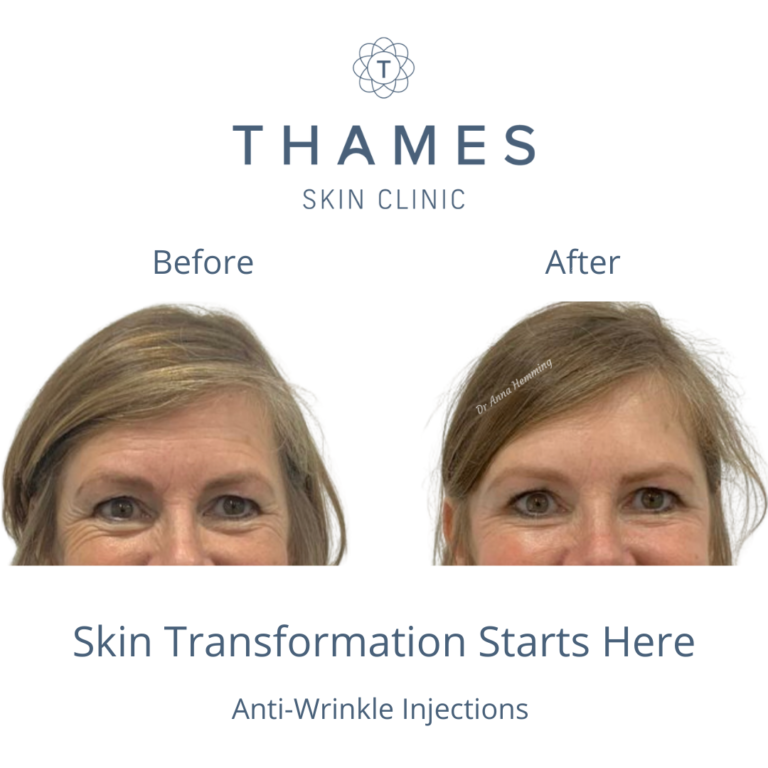
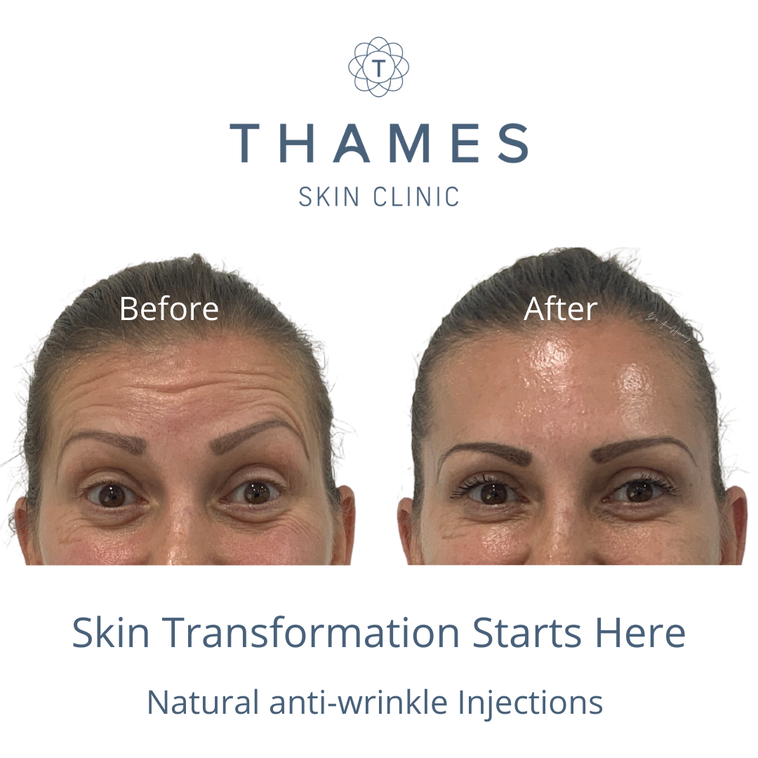
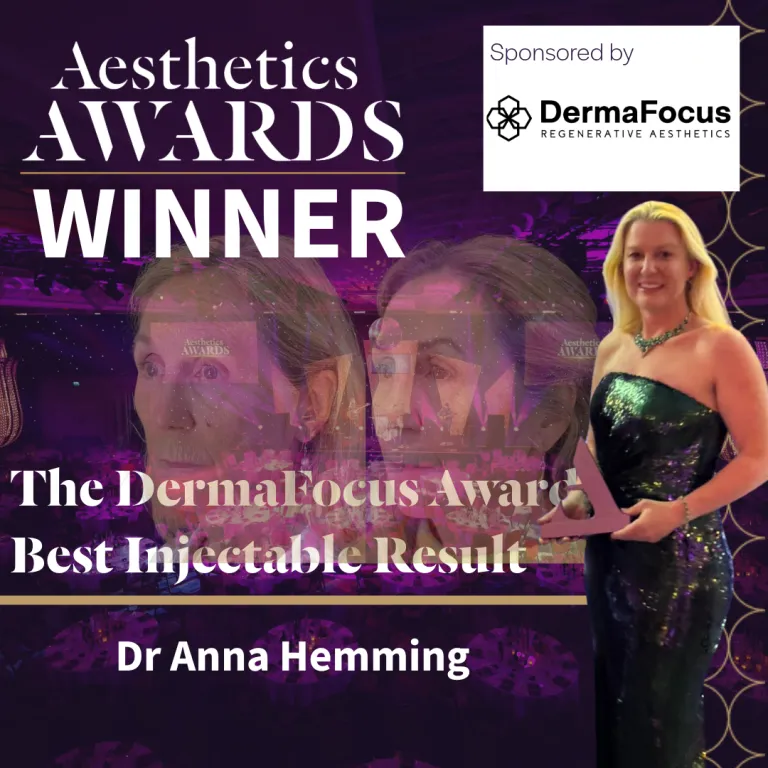
Our results speak for themselves. Our founder, Dr Anna Hemming, has been recognised for Best Injectable Results at the Aesthetics Awards 2025. She was also named Best Medical Practitioner at the Aesthetic Medicine Awards 2025 and Best Medical Practitioner (Doctor, Dentist or Surgeon) at the Aesthetics Awards 2026. These accolades reflect our commitment to safe and natural-looking injectable treatments.
Real Patient Results
What’s Causing Your Wrinkles?
As we get older, our skin loses collagen and elastin becomes less flexible, reducing the skin’s ability to bounce back. Fibroblast cells, which are responsible for producing collagen, become less effective, meaning the skin cannot repair itself as efficiently. As a result, fine lines and wrinkles begin to form, and the overall structure of the skin becomes less firm and more fragile.
When the skin barrier is compromised, external environmental factors can have a greater impact on the skin, including:
- sun exposure
- smoking
- poor diet
- lack of proper skincare
- Poor sleep
These factors accelerate the ageing process and further contribute to the formation of wrinkles.
All injectable and laser treatments at Thames Skin Clinic are carried out by medically qualified practitioners, using CE-marked devices and evidence-based protocols. Injectable treatments at Thames Skin Clinic include a short consultation and treatment within the same appointment, so there’s no need for a separate pre-consultation visit. If you’d prefer to take more time to explore your options and discuss what’s right for you, we also offer a full new patient consultation for injectables. After a consultation we can put together a personalised treatment plan to address wrinkles and any other skin concerns you have.
What’s the Difference Between Anti‑Wrinkle Injections, Fillers and Regenerative Injectables?
- Anti-wrinkle injectionsrelax the muscles that cause expression lines — forehead, frown lines, crow’s feet.
- Dermal fillersrestore volume and structure where the face has hollowed or lost definition, providing structural support rather than relaxing muscle movement.
- Regenerative injectables, such as Profhilo, Profhilo Structura, Juläine and polynucleotides, work differently again, stimulating the skin’s own collagen and elastin production to improve overall skin quality. Results build gradually and last significantly longer.
Regenerative injectables can be used alongside both anti-wrinkle injections and dermal fillers to reduce wrinkles and overall skin quality.
FAQs
-
Will Anti-wrinkle Injections Make Me Look Frozen?
Anti-wrinkle injections will not make you look frozen if they are administered by a qualified medical professional. At Thames Skin Clinic in Twickenham, anti-wrinkle injections are always administered conservatively and after thorough discussion about how much movement you want to retain. The goal is lines that are softened, not a face that’s stopped moving. Dr Anna has been described as ‘a goddess with a needle’ specifically because her results are consistently natural.
-
What's the Best Age to Start Anti-Ageing Treatment?
There isn’t one right age to start anti-ageing treatments but earlier is genuinely more effective. Preventative anti-ageing treatments in the late 20s and 30s focus on maintaining collagen, hydration and skin barrier health. Profhilo and medical-grade skincare plans with retinol at this stage give the skin a foundation that slows visible ageing measurably. A consultation with our skin experts at Thames Skin Clinic in Twickenham can help you address any specific skin concerns you have right now.
-
Can the Wrinkles Around My Mouth and Cheeks be Improved?
Yes, wrinkles around the mouth and cheeks can be improved, but the approach matters. Nasolabial folds and marionette lines are largely driven by volume loss in the fat pads beneath the cheeks rather than by the skin surface itself. Treating them with surface filler alone often creates an overfilled appearance.
The more effective approach is to restore volume at the right depth, lifting the structural foundation so the lines soften naturally. At Thames Skin Clinic, we use Profhilo Structura and carefully placed dermal fillers to do this without altering the character of your face. Dr Anna played a key role in Profhilo Structura’s UK study programme, making Thames Skin Clinic one of the most experienced practices with this treatment in the country.
-
What is the best treatment for forehead wrinkles in your 30s vs 50s?
The best treatment for forehead wrinkles in your 30s is small amounts of anti-wrinkle injections to target dynamic wrinkles. We often combine this with a medical-grade skincare plan and microneedling to support collagen production and maintain skin quality.
In your 50s, forehead wrinkle treatment shifts towards restoration and addressing deeper, static wrinkles alongside volume loss. The best options for forehead lines at this stage include anti-wrinkle injections, Profhilo Structura and CO₂ laser for skin tightening.
-
Can injectables and skin treatments be combined safely?
Yes, combining injectables and skin treatments is where the best results come from. Injectables and skin treatments work at different levels. Anti-wrinkle injections address muscle movement, fillers restore structural volume, and skin treatments like Profhilo, Secret PRO and medical-grade skincare improve the quality of the skin itself. Used together in the right sequence, they complement each other.
Pigmentation & Photodamage Concerns
Thames Skin Clinic is a CQC‑registered, doctor‑led medical aesthetic clinic in Twickenham, South West London. We treat patients from Richmond, Teddington, Kingston, Wimbledon, Chiswick and across London and Surrey.
We are a specialist centre for pigmentation treatment in Twickenham, including melasma and hyperpigmentation in skin of colour.
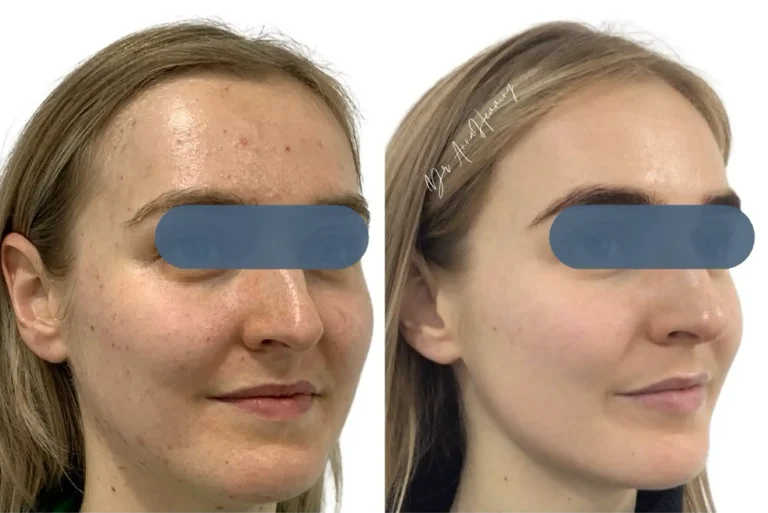
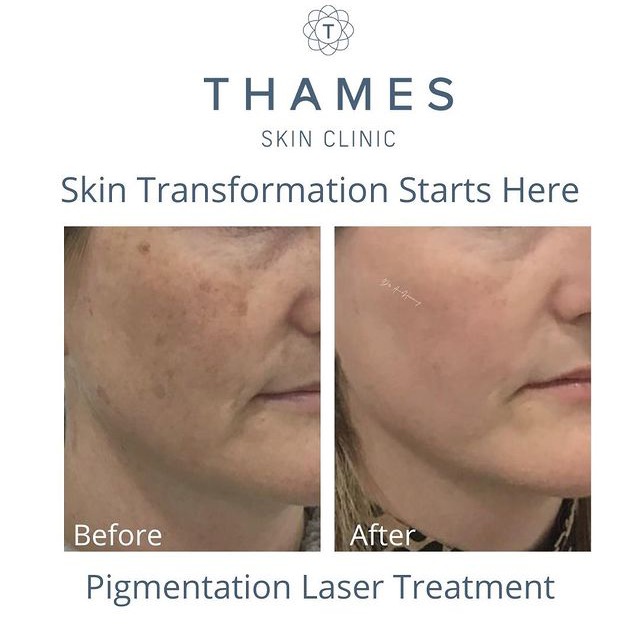
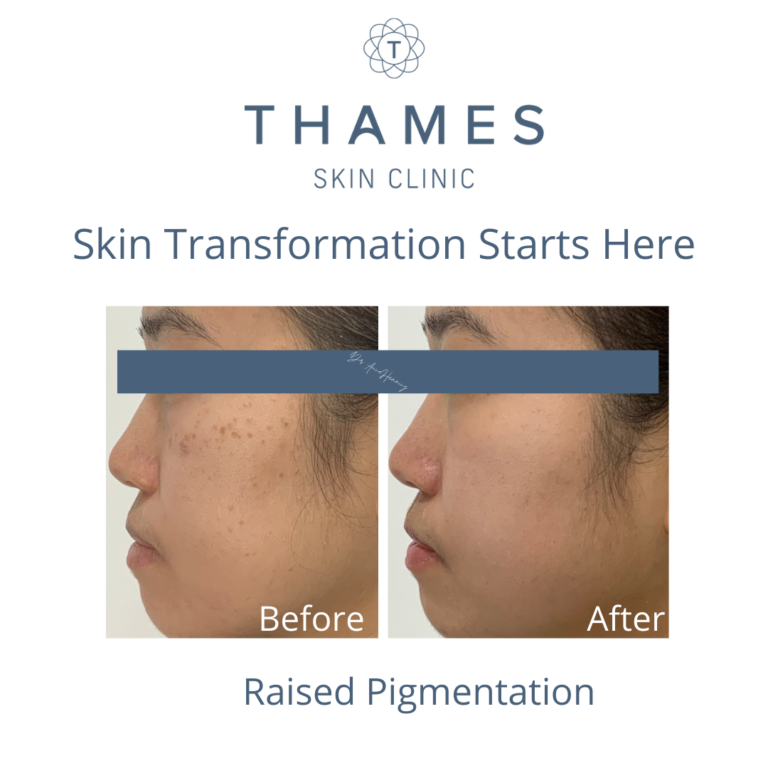
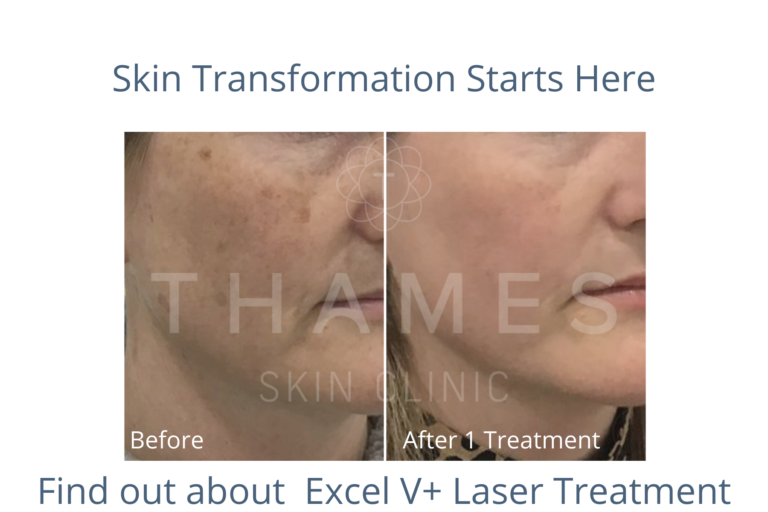
Pigmentation looks different on everyone, such as brown spots or patches across your cheeks, dark marks left behind after spots or inflammation or a general unevenness across your skin.
At Thames Skin Clinic, pigmentation is another one of our specialisms. Sun damage, melasma, post-inflammatory hyperpigmentation and age spots each respond to different treatments and different sequences. The depth of the pigment, whether it sits in the epidermis or deeper in the dermis, determines everything about how it should be approached.
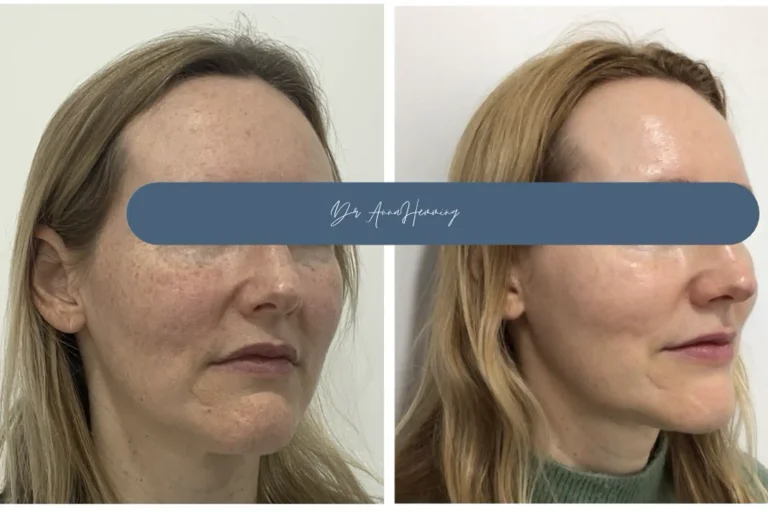
Pigmentation can be treated with Excel V+ laser for sun spots, chemical peel programmes for melasma and medical-grade ZO Skin Health brightening plans. Daily SPF 50 is also essential for maintaining results and preventing pigmentation returning or worsening.
Real Patient Results
What’s Causing Your Pigmentation?
Pigmentation occurs when melanocytes in the skin produce excess melanin, which is then distributed unevenly across the epidermis. This can lead to dark spots, patches and an overall uneven complexion. Sun exposure is one of the key triggers for this process, as UV and visible light stimulate melanocyte activity, causing sun spots. This is why proper sun protection and daily SPF are essential.
In deeper skin tones the wrong treatment of laser settings can make hyperpigmentation worse. At Thames Skin Clinic, our hyperpigmentation treatments in Twickenham are tailored according to the Fitzpatrick skin type.
We adapt both lasers and peels for darker skin tones, choosing Excel V+, chemical peels and topicals specifically for darker skin. We assess skin tone in depth and if a treatment isn’t appropriate for your skin tone, we will tell you and recommend what is.
Struggling with uneven skin tone or dark patches? Our medical skin clinic in Twickenham specialises in hyperpigmentation treatment, including melasma treatment for patients across London and South West London. Book a consultation today and we can assess whether your pigmentation is sun-related, hormonal or post-inflammatory.
FAQs
-
Can Melasma be Treated or Does it Always Come Back?
Melasma can be significantly improved and kept controlled, but it requires ongoing management. Treatments can suppress melanin production and remove existing pigment, while daily broad-spectrum SPF prevents restimulation. For melasma treatment at Thames Skin Clinic, we combine the ZO Skin Health brightening plan with a series of chemical peels and with laser therapies where appropriate.
-
Is Laser Treatment Safe for Darker Skin Tones?
Yes, laser treatment is safe for darker skin tones with the right assessment and the right technology. Laser pigmentation treatment on darker skin tones requires a practitioner who understands Fitzpatrick skin typing and selects wavelengths and settings accordingly. At Thames Skin Clinic, we assess skin tone before every laser treatment in Twickenham. Our Excel V+ laser uses two clinically proven wavelengths with smart sapphire cooling, which allows safe treatment across a wide range of skin types. If a laser isn’t appropriate for your skin tone or pigmentation type, we’ll tell you and recommend what is.
-
How Do I Get The Dark Marks From My Acne to Fade?
To fade dark marks left behind by acne, first, if any active acne or inflammation is still present, that needs to be treated first. Treating this type of pigmentation while acne is still active risks worsening pigmentation. Once settled, a combination of topical brightening agents (retinol and brightening serums), gentle chemical peels and, in some cases, lasers can progressively fade existing marks. At Thames Skin Clinic, we treat both active acne and post-acne pigmentation as part of one plan.
-
Can I Treat Pigmentation in Summer or Should I Wait Until Winter?
Pigmentation can be treated in the summer, but higher UV levels increase the risk of worsening existing pigmentation. If you do proceed during the summer months, daily use of a high-factor SPF is essential, and it should be reapplied more than once throughout the day.
Winter is the ideal time to treat pigmentation. Reduced UV exposure means treatments are less likely to trigger further discolouration. The lower sun intensity allows for more intensive procedures, such as lasers, chemical peels and microneedling, to work more effectively.




What To Expect at Your Consultation
Whether you are concerned about acne, rosacea, wrinkles, pigmentation or sun damage, every consultation at Thames Skin Clinic begins with a detailed assessment of your skin.
All skin treatments and consultations at Thames Skin Clinic are carried out by medically qualified practitioners in a CQC-registered clinic, using CE-marked devices and evidence-based protocols.
For skin concern consultations, your appointment will include:
A detailed skin and health assessment.
We review your medical history, skin history, current skincare, previous treatments and any concerns you would like to improve. For conditions such as acne, rosacea and pigmentation, we also assess the type, severity and possible triggers.
Where appropriate, your assessment may include skin imaging, mole or lesion assessment, review of lifestyle factors and discussion of any medical conditions or medications that may influence your skin.
A personalised treatment plan.
Based on your assessment, Dr Anna Hemming will explain which treatments may be appropriate for your skin, why they are recommended and in what order they should be carried out.
Some concerns may respond well to a single treatment approach, while others, such as melasma, cystic acne, scarring, skin laxity or rosacea, often require a carefully sequenced combination plan.
Clear information before any treatment begins.
Before any treatment begins, we explain how it works, what results to expect, the likely timeline, possible side effects, downtime and aftercare.
For acne, rosacea and pigmentation, we also discuss lifestyle factors, triggers and homecare, as results are often strongest when the underlying causes are managed alongside in-clinic treatments.
Real Patient Results
Every skin journey is different. During your consultation, we can show relevant before-and-after examples for concerns such as acne, rosacea, pigmentation, skin texture, scarring and skin ageing.
Where suitable, we may also direct you to relevant case studies or treatment examples so you can understand how different treatment plans work over time.
Our approach is guided by the THAMES Philosophy, created by Dr Anna Hemming to ensure every patient receives a thoughtful, medically led and personalised treatment plan.
Book your doctor-led skin consultation at Thames Skin Clinic today in Twickenham.
The THAMES Philosophy
T — Thorough Consultation
We take time to understand your skin concerns, medical history, previous treatments, skincare routine, lifestyle factors and treatment goals.
H — Holistic Approach
We look at the whole picture, not just the visible concern. Skin health can be affected by hormones, stress, sleep, nutrition, sun exposure, ageing, medication and underlying skin conditions.
A — Assessment
Your skin is carefully assessed before any treatment is recommended. This allows us to understand what is happening at the surface and what may be driving the concern beneath the skin.
M — Medical Treatments
Where treatment is appropriate, we recommend evidence-based medical aesthetic treatments, prescription skincare where suitable, medical-grade skincare and advanced device-led procedures.
E — Expectations Discussed
We explain what each treatment can and cannot achieve, how many sessions may be needed, expected timelines, downtime, aftercare, risks and maintenance.
S — Safety
Patient safety is central to every treatment plan. Treatments are carried out in a CQC-registered, doctor-led clinic using evidence-based protocols and safe, regulated technologies, including CE-marked, UKCA-marked and/or FDA-cleared devices where applicable.

Contact Us Today
Getting To The Clinic
Clinic Address
Thames Skin Clinic 1-3 Baylis Mews Twickenham TW1 3HQ. Please call 0208 068 1145 to speak directly to a team member.
By Train
Thames Skin Clinic is conveniently located in Twickenham, with excellent rail connections from across the UK. The nearest station is Twickenham Train Station, just a 5 minute walk from the clinic. Direct South Western Railway services run from London Waterloo (20-25 mins), Clapham Junction (10-15 mins) and Richmond (5 mins).
From the North, Midlands and Wales, travel via London Euston or Paddington before connecting at Waterloo. From the South and West, change at Reading, Clapham Junction, or Woking. If arriving from the East, transfer to Liverpool Street.
By Car
Thames Skin Clinic is located in Twickenham and is easily accessible by car from London and surrounding areas, including Richmond, Teddington, St Margarets, Kingston, Wimbledon, Chiswick, South West London and Surrey.
.
From Central London – Take the A4 or A316 towards Richmond, then follow the A310 into Twickenham.
From the M25 – Exit at Junction 12 (M3), continue on the M3/A316, then take the turnoff towards Twickenham town centre.
From the South and West – Use the M3, M4, or A3, connecting to the A316 into Twickenham.
Parking
Free parking on site with disabled parking available.
Public Car Parks: The nearest public car park is Arragon Road Multi-Storey (TW1 3NG), just a short walk from the clinic.
Frequently Asked Questions
-
What is the best treatment for my skin concern?
The best treatment depends on the cause of your concern, your skin type, your medical history and your treatment goals. Many skin concerns look similar on the surface but have different underlying causes. This is why we recommend a consultation before deciding on treatment.
-
Can more than one skin concern be treated at the same time?
Yes. Many patients have more than one concern, such as acne with pigmentation, rosacea with sensitivity, or wrinkles with skin laxity. Your treatment plan may be designed to address several concerns in a careful sequence.
-
Do I need skincare before laser treatment?
In many cases, preparing the skin with medical-grade skincare can improve skin health, reduce sensitivity and support better treatment outcomes. This is particularly important for concerns such as pigmentation, melasma, acne, rosacea and barrier weakness.
-
Can acne, rosacea or pigmentation be cured?
Some skin concerns can be significantly improved, but many require ongoing management. Acne, rosacea and pigmentation can be influenced by genetics, hormones, inflammation, sun exposure and lifestyle factors. The aim is to control symptoms, improve skin health and reduce flare-ups or recurrence.
-
How long does it take to see results?
This depends on the concern being treated and the type of treatment recommended. Some treatments may give visible improvement within weeks, while concerns such as acne, pigmentation, scarring, rosacea and collagen loss often require a longer treatment plan with maintenance.
-
Are skin treatments safe for darker skin tones?
Many treatments can be safely used on darker skin tones when they are selected and performed correctly. At Thames Skin Clinic, your skin type, pigmentation risk and medical history are assessed before treatment. Some lasers, skincare ingredients or resurfacing treatments may need to be adapted to reduce the risk of post-inflammatory pigmentation.
-
What is the difference between pigmentation and melasma?
Pigmentation is a broad term for areas of increased colour in the skin. It may be caused by sun damage, inflammation, acne marks, hormonal changes or ageing. Melasma is a specific type of pigmentation that is often hormonally influenced and can be triggered or worsened by sun exposure, heat and inflammation. Melasma usually requires careful long-term management.
-
Should I book a consultation before choosing a treatment?
Yes. A consultation allows us to assess your skin properly, identify the likely cause of your concern and recommend the safest and most effective treatment plan. This helps avoid unsuitable treatments and ensures your plan is personalised to your skin.
Book a Doctor-Led Skin Consultation
If you are unsure what your skin needs, the best place to start is with a consultation.
Book your doctor-led skin consultation at Thames Skin Clinic in Twickenham and receive a personalised plan designed to restore healthier, stronger and more confident skin.
Written and medically reviewed by Dr Anna Hemming, MBChB BSc DFFP – Best Medical Practitioner UK 2026