


Acne is extremely common during puberty, but it does not have to be ignored or endured. However, if your teenager has painful, deep or persistent spots, early scarring or is becoming withdrawn or unhappy about their skin, it is time to seek medical advice.
Even mild-looking acne can affect confidence. Early assessment helps identify the type and severity of acne, reduce the risk of lasting changes and choose a treatment that your teenager can realistically follow.
We see a lot of patients in their teens and early 20s at Thames Skin Clinic as we are a leading acne clinic in Twickenham, South London, specialising in teenage acne treatments. Dr Anna Hemming uses a thorough, doctor-led assessment to understand the skin, the impact of acne on the young person and their goals. Our approach combines:
- Appropriate medical treatment.
- Individualised ZO Skin Health programmes.
- Supportive in-clinic options.
- AviClear acne laser treatment where suitable.
We also explain clearly when GP care or referral to a consultant dermatologist is needed.
Is Teenage Acne Normal?
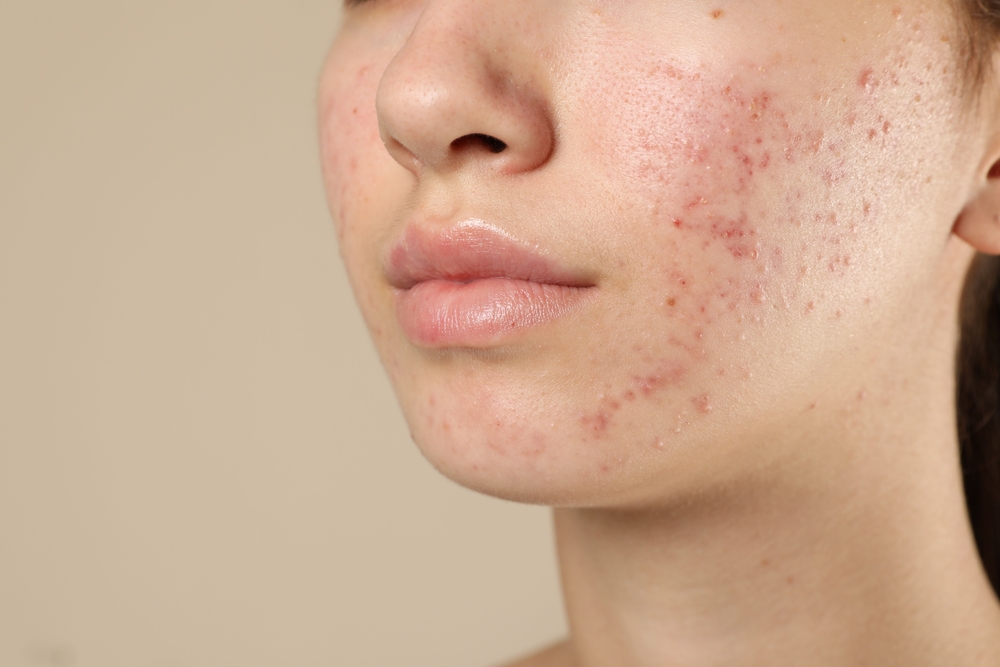
Yes. Acne is very common in teenagers, as hormonal changes during puberty increase activity in the oil-producing sebaceous glands. When excess sebum and dead skin cells block a hair follicle, blackheads, whiteheads and inflamed spots can develop. Teenage acne usually appears on the face, forehead and jawline, and often on the chest, upper back and shoulders.
Teenage acne can present as different types of lesions, ranging from blocked pores to deeper inflammatory spots. Teenagers may experience several types at the same time, with symptoms varying in severity. That’s why a medical assessment is important before starting treatment. This helps identify the underlying causes and determine the most appropriate approach for your teenager’s skin.
What Type of Acne Spots Does Your Teenager Have?
| Spot | What it looks like | What to know |
| Whiteheads | Small, closed bumps beneath the surface. | Blocked pores; often managed with consistent topical care. |
| Blackheads | Open blocked pores that look dark because the contents oxidise. | Not dirt; squeezing can worsen inflammation. |
| Papules | Small, red or inflamed bumps without visible pus. | Inflammatory acne; assess number and persistence. |
| Pustules | Inflamed spots with a white or yellow centre | Can leave red or dark marks, especially if picked. |
| Nodules | Deep, firm and often painful lumps. | Greater scarring risk; medical assessment is important. |
| Cysts | Deep, painful, swollen lesions; diagnosis requires examination. | Prompt medical assessment and possible specialist referral. |
Some young people have occasional blocked pores, while others develop persistent inflammatory lesions. The number of spots is only part of the story: pain, scarring, pigmentation changes and emotional wellbeing matter too.
When Should a Teenager See a Doctor About Acne?
Do not wait for scars to appear. Your teenager should see a doctor when acne is persistent, painful or affecting day-to-day life, particularly if any of the following apply:
- Deep, painful lumps or recurrent nodules are appearing.
- Spots are widespread on the face, chest, shoulders or back.
- The skin is developing indentations, raised scars, persistent dark marks or long-lasting red marks.
- Acne has not improved after an appropriate course of treatment, or your teenager is unsure how to use their products.
- They avoid photographs, friendships, sport, school or social events because of their skin.
- Their mood, confidence or wellbeing is noticeably affected.
Acne does not have to be classed as severe to justify help. Acne of any severity can cause psychological distress.
You can book a teenage acne consultation directly with our doctor-led acne clinic. Dr Anna Hemming is a medical doctor (MBChB, BSc, MRCGP) who has been qualified since 2002 and has worked in skin health and medical aesthetics since 2008.
When Might a Dermatologist be Needed?
Your GP or assessing doctor may recommend a referral to a consultant dermatologist-led team if your teen’s acne is
- Severe
- Nodulocystic
- Causing scars or persistent pigmentary changes
- Has not responded adequately to appropriate treatment
- Is contributing to significant psychological distress.
A dermatologist may also assess whether specialist-prescribed medicines such as oral isotretinoin are appropriate. If a teenager is very distressed, especially if they express thoughts of self-harm, seek prompt support from their GP or an urgent medical service.
How Do We Assess How Severe Teenage Acne Is?
Our consultation starts by listening to the teenager as well as their parents or carer. We discuss when breakouts began, which areas are affected, any pain or scarring, previous prescriptions or skincare, sensitivities, medical history, medication, relevant hormonal changes and how the acne affects confidence and everyday life.
Clinical examination is supported by photographs and skin scan analysis where appropriate. We assess inflammatory lesions, blocked pores, skin barrier function, pigmentation risk and the earliest signs of scarring. We can track progress using a consistent severity scale alongside clinical photographs and how the patient feels about their skin.
A simple way to understand acne severity
| Severity | Typical appearance | Clinical considerations |
| Clear / almost clear | No active lesions or only rare blocked pores. | Maintenance, prevention and appropriate skincare. |
| Mild | Mainly blackheads and whiteheads with a few inflamed spots. | Consistent topical care, review of response. |
| Moderate | More numerous inflamed spots, possibly involving several areas. | Medical treatment plan and regular review. |
| Severe | Many inflamed lesions, deep nodules or rapidly developing scars. | Prompt medical management and consideration of specialist referral. |
A formal Investigator’s Global Assessment (IGA) score can be used when appropriate, but no single number describes the whole impact of acne. Scarring, pigmentation and psychological distress may change the urgency of treatment even when the spot count is relatively low.
We explain choices in language the young person understands. The aim is a realistic plan they feel able to follow, with appropriate consent and parent or carer involvement according to age and circumstances.
What Does Acne Treatment for Teenagers Include at Thames Skin Clinic?
At Thames Skin Clinic, we do not rely on a single facial, product or laser to solve every type of acne. Dr Hemming has developed a four-pillar approach, with each element selected according to the patient’s acne, age, sensitivity, previous treatment and goals. Each plan is built in layers after the medical assessment.
Our teenage acne treatment can include ZO Skin Health medical skincare, HydraFacial, AviClear and other lasers when they are suitable. Combination treatments often produce the best outcome. The aim is to reduce oil production and the build-up of dead skin cells in the pore, which is what causes acne.
Pillar 1: Doctor-Led Medical Assessment
We assess acne type and severity, underlying factors, skin barrier health, pigmentation and scarring risk, previous treatments and the emotional impact of the condition. We discuss whether medical prescriptions, in-clinic treatments, referral or a combination would be most appropriate.
Pillar 2: Active Acne Management and Daily Skin Health
A tailored skincare plan is the foundation of day-to-day management. We may use ZO Skin Health products to address excess oil, blocked pores and inflammation, while maintaining skin tolerance. Dr Hemming has trained with Dr Zein Obagi, and our colour-coded programme helps patients understand which products form the foundation and which active products need careful introduction.
Teenagers do not all need the same retinol, exfoliant or number of products. We introduce actives according to skin type, age, sensitivity and treatment goals. Prescription treatments, including topical medicines, may also be appropriate. Skinade Clear can be considered as optional support where clinically suitable; it does not replace proven acne treatments.
Pillar 3: In-Clinic Support During Active Flares
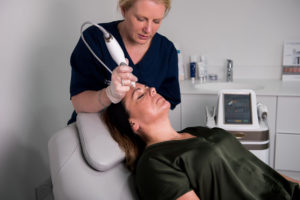
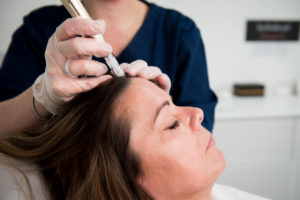
When clinically suitable, HydraFacial or HydraRadiance may help with surface congestion, gentle extraction and skin comfort. We are careful not to over-treat inflamed or reactive skin. Laser Genesis may be considered for selected inflammatory or vascular concerns, including persistent post-acne redness. Fotona laser treatment may be used for targeted lesions within a medical plan. For an individual large, painful inflamed lesion, Dr Hemming may assess whether an intralesional treatment is appropriate.
These procedures are supportive options, not replacements for appropriate medical acne treatment. Their suitability, evidence, risks and expected benefits are discussed individually.
Pillar 4: Longer-Term Acne Management With AviClear
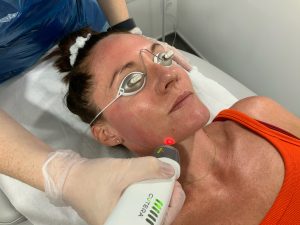
AviClear uses a 1726 nm laser to target sebaceous gland activity. It’s a breakthrough in acne treatments and is suitable for teenage skin. It may be an option for selected teenagers and adults with inflammatory acne who want a device-based approach alongside a wider skin-health plan. A typical course involves three sessions approximately one month apart, with progress developing over subsequent months.
Many patients can return to usual activities soon after treatment, but AviClear is not a guaranteed no-downtime procedure. Temporary redness, swelling, dryness, discomfort and acne flares can occur, and less common adverse effects must be discussed during consent. A laser session does not require the blood monitoring associated with some systemic acne medicines. However, the overall acne plan may still involve prescribed medication or medical tests when appropriate.
Not every teenager needs AviClear. Predominantly comedonal acne may respond well to a good topical plan. Whereas, very severe or actively scarring acne may require prompt prescription treatment and a dermatologist referral. We will not delay necessary medical treatment simply to complete a laser course.
For more information, read our guide: Is AviClear a Worthwhile Investment for Acne vs Medication?, which compares AviClear with oral treatment.
What Can Your Teenager Do at Home to Help Acne-Prone Skin?
The best routine is usually one that is manageable, consistent and gentle enough to continue. Follow the individually prescribed plan rather than adding multiple new products from social media.
Sun exposure can make teen acne worse, and it causes pigmentation, so sunscreen is essential when active skincare is in use.
- Cleanse gently, normally twice daily, without aggressive scrubbing or repeated exfoliation.
- Use a suitable non-comedogenic moisturiser when the skin needs it, especially if acne treatments cause dryness.
- Apply broad-spectrum SPF 30 or higher every morning; this is particularly important for limiting post-acne pigmentation.
- Avoid picking or squeezing spots because this increases inflammation and the risk of marks or scarring.
- Keep heavy hair products away from acne-prone areas and remove make-up gently.
- Be patient; treatment can take weeks to show benefit, and changing products constantly can increase irritation.
- Tell your practitioner if products sting excessively, the skin becomes very inflamed or the routine is difficult to follow.
Acne is not evidence of poor hygiene or a personal failing. Diet, stress and lifestyle can influence some people’s acne, but they do not explain every breakout. We do not blame teenagers for their skin.
Why Choose Thames Skin Clinic for Teenage Acne?
Thames Skin Clinic is a CQC-registered, doctor-led medical skin clinic in Twickenham, founded by Dr Anna Hemming. A medical doctor since 2002, Dr Hemming has worked in aesthetic medicine and skin health since 2008, with a particular interest in acne, rosacea, pigmentation and skin restoration.
Our approach brings together medical assessment, tailored skincare, selected in-clinic treatments, AviClear and referral pathways when appropriate. The objective is to control acne, reduce its effect on day-to-day life and protect long-term skin health, with the teenager involved in every decision.
How Do I Book an Acne Consultation for My Teenager?
You don’t have to wait for scarring or severe breakouts before asking for help.
Book online or contact our team to arrange a consultation at Thames Skin Clinic, 1-3 Baylis Mews, Twickenham TW1 3HQ.
Our teenage acne programme starts with a medical assessment. We look at the type of acne, skin sensitivity, previous treatments and how your teenager feels about their skin. Then, we build a plan with different pillars that may include ZO Skin Health, HydraFacial, AviClear and other lasers. Your teenager is always a part of each conversation.
New patient consultations are £249, with £50 credited to the patient account for one month towards eligible treatment or skincare under the clinic’s current policy. Confirm the current fee and terms when booking.
Thames Skin Clinic | 1–3 Baylis Mews, Twickenham TW1 3HQ | [email protected]
Our clinic is a 5-minute walk from Twickenham station and has free parking on site. We care for patients in Twickenham, Richmond, Teddington, Wimbledon, Chiswick and Barnes. If your teenager is struggling with acne, book a consultation, and we will work out the next steps together.
FAQs
Is Acne During Puberty Normal?
Yes, acne is common during puberty because hormonal changes affect oil production. However, painful, persistent or scarring acne deserves assessment rather than simply being dismissed as part of growing up.
Can Teenage Acne Cause Permanent Scars?
Yes. Deep inflammation and repeated picking can lead to indented or raised scars. Early, appropriate treatment helps reduce the risk, though no treatment can guarantee scars will not develop.
Is AviClear Suitable for Teenagers?
AviClear may be appropriate for selected adolescents with inflammatory acne after medical assessment. A typical programme involves three laser sessions spaced about a month apart. Outcomes and side effects vary; it is not needed for every teenager.
Does AviClear Replace Acne Medication?
Not always. Depending on acne severity and scarring risk, topical or oral medication may remain important. Severe or rapidly scarring acne should receive timely medical treatment and, if indicated, specialist referral.