


Skin pigmentation is one of the most common reasons patients come to Thames Skin Clinic in Twickenham, London for help with their skin.
However, pigmentation is not always simple.
Sun damage, melasma, post-acne marks and post-inflammatory pigmentation all behave differently, and the wrong treatment approach can make pigment worse.
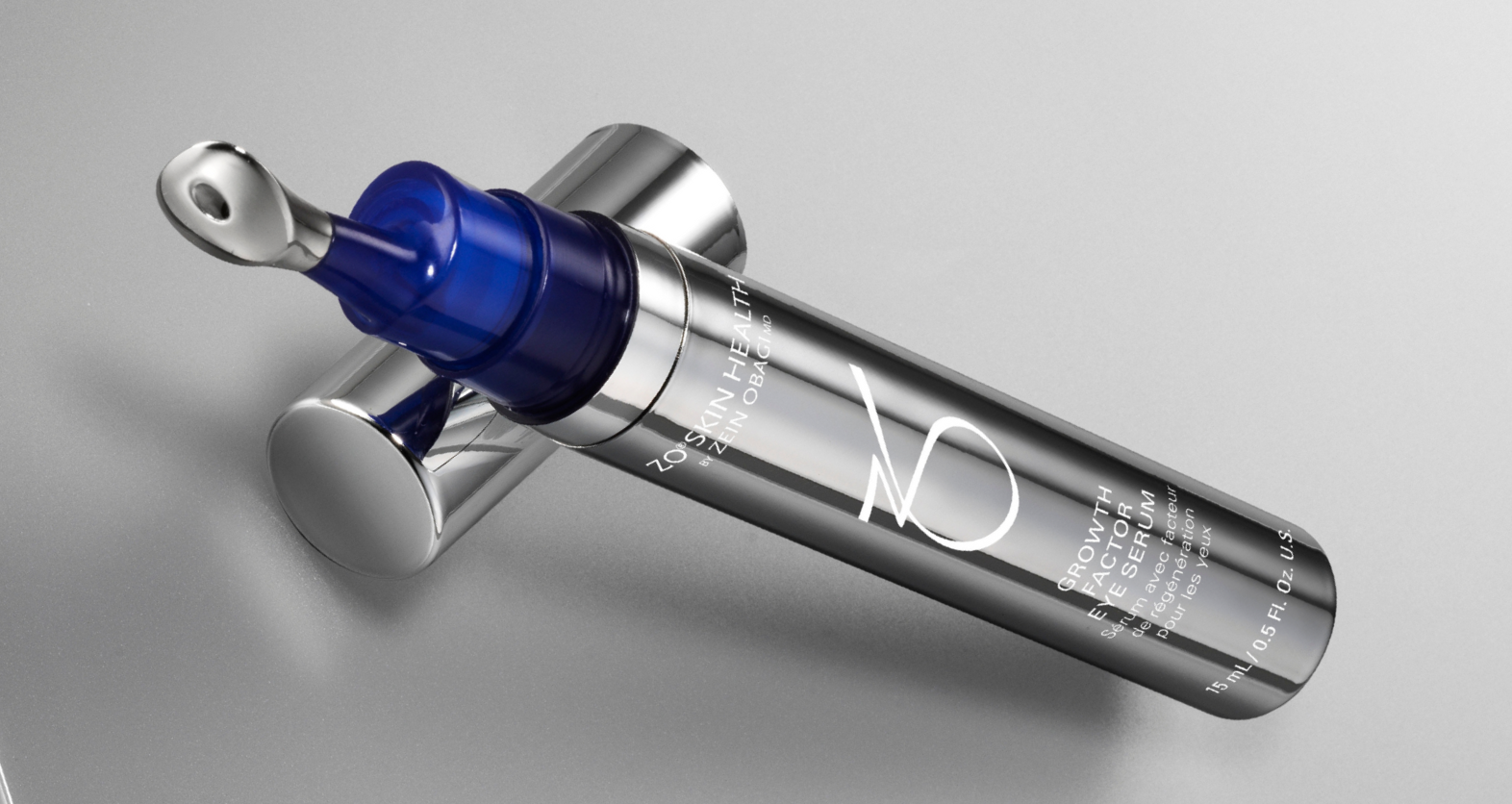
At Thames Skin Clinic in Twickenham, we use ZO Skin Health as part of a medical approach to uneven skin and hyperpigmentation. It allows us to work on the skin barrier, cell turnover, inflammation, pigment pathways and long-term skin resilience.
This article explains why pigmentation needs a structured plan and how ZO Skin Health may fit into a personalised pigmentation programme alongside other in-clinic laser treatments.
Quick Overview of the ZO Skin Health Pigmentation Plan
At Thames Skin Clinic, we assess the skin first to determine the pigmentation type. We then build a structured ZO Skin Health plan around:
- Barrier repair
- Cell turnover
- Inflammation control
- Daily SPF
If we decide prescription-strength pigment control is appropriate, hydroquinone may be used for a defined phase of up to 4 months. This will then be followed by a non-hydroquinone retinol and maintenance plan.
Expect improvement over skin cycles of 4–6 weeks, with a review at around 6 weeks.
What Is Skin Pigmentation?
Pigmentation describes areas of the skin that appear darker than the surrounding skin.
This happens when melanin, the pigment made by melanocytes in the skin, becomes overproduced or unevenly distributed. Melanin is part of the skin’s natural protection system, but when pigment production becomes overactive or disorganised, the skin may develop patches, marks or uneven colour.
Common forms of skin pigmentation on the face and body include:
- Sun damage
- Age spots or sun spots
- Melasma
- Post-inflammatory pigmentation
- Post-acne marks
- Skin discolouration after irritation or injury
- Uneven tone after inflammation
- Pigment changes linked to hormonal shifts
Pigmentation can affect all skin types, but any type of treatment needs a more cautious approach in darker skin tones or skin that pigments easily after inflammation.
Why Professional Pigmentation Treatment Starts with Skin Assessment
Different types of pigmentation behave differently. Some pigment sits more superficially in the skin. Some are deeper. Some are driven by sun exposure. Some are linked to inflammation, hormones, heat, trauma or previous skin treatments. Some types of uneven skin tones can be improved significantly, while other forms need long-term management and maintenance.
That is why we always begin with a professional consultation and skin assessment to determine the type of uneven skin, its likely triggers and the most appropriate treatment plan.
At Thames Skin Clinic, we look at:
- The type of skin pigmentation
- The depth of pigment
- The patient’s skin type
- Sensitivity
- Inflammation
- Barrier function
- Medical history
- Lifestyle
- Previous treatments
A medical assessment is also important because not every pigmented lesion should be treated cosmetically. Any new, changing, irregular or concerning mark should be assessed appropriately before aesthetic treatment is considered. This is why we recommend starting with a medical skincare consultation rather than selecting active products without assessment.
Inappropriate Treatments Can Trigger More Pigmentation
The wrong approach can make skin discolouration worse.
Aggressive exfoliation, unsuitable lasers, strong acids, heat, inflammation or poorly supervised active skincare can all trigger more pigment in some patients. A plan that works well for one person may not be right for another.
How ZO Skin Health Helps Manage Pigmentation
ZO Skin Health is not simply a “brightening” product range. We use Zo Skin Health because it allows us to treat the skin medically, which is why it is central to our structured skin restoration plans.
For uneven or discoloured skin, a ZO programme may be designed to support several important goals:
- Improve skin barrier function
- Support healthy cell turnover
- Reduce dull surface build-up
- Calm visible inflammation
- Support pigment control
- Improve the appearance of uneven tone
- Prepare the skin for in-clinic treatments
- Maintain results after pigmentation treatment
Pigmentation treatment is not just about fading visible marks. It is also about creating a healthier skin environment so the skin becomes less reactive and more stable over time.
Why Skin Barrier Health Matters in Pigmentation Treatment
The skin barrier is central to pigment control.
When the barrier is impaired, the skin is more vulnerable to irritation, dryness, inflammation and treatment intolerance. Inflammation can then trigger melanocytes to produce more pigment, especially in skin types prone to post-inflammatory pigmentation.
This is why we may not start every skin pigmentation patient on an aggressive brightening plan immediately.
Some patients first need barrier repair, calming support and a gradual approach. Others are ready for a more active programme from the beginning. The correct starting point depends on the condition of the skin.
Understanding the difference between skincare and skin health is an important part of recognising why barrier function matters when treating uneven skin.
Melasma
Melasma is a specific type of pigmentation that usually appears as brown or grey-brown patches, commonly on the cheeks, forehead, upper lip or jawline.
It is often influenced by hormones, UV exposure, visible light, heat and inflammation.
Melasma can be improved through treatments, but it has a tendency to recur. For this reason, melasma should be understood as a long-term condition that needs ongoing management rather than a one-off treatment.
This is where medical-grade skincare can be especially important.
How ZO Skin Health Can Help Manage Melasma
A ZO Skin Health programme may help support pigment regulation, barrier function, exfoliation and maintenance. In some cases, in-clinic treatments may also be considered, but these need to be planned carefully because the wrong treatment can aggravate melasma.
With melasma, consistency and maintenance are often more important than chasing a quick result.
Post-Inflammatory Hyperpigmentation
Post-inflammatory pigmentation happens after inflammation or injury to the skin.
It may follow acne, picking, eczema, rosacea flares, burns, irritation, waxing, treatments or other trauma. The skin responds by producing extra pigment in the affected area.
This is common after acne, especially where spots have been inflamed, squeezed or slow to heal.
In these cases, we often need to manage both the pigment and the trigger. For example, if acne is still active, treating the brown marks alone is unlikely to be enough. We need to reduce new breakouts, calm inflammation and improve skin function so fewer marks are created in the future.
How ZO Skin Health Can Help Manage Post-Inflammatory Hyperpigmentation
ZO Skin Health allows us to build a skincare programme that addresses post-inflammatory hyperpigmentation alongside the underlying causes of inflammation. Depending on the patient’s skin condition and tolerance, this may involve ingredients that encourage cell turnover, help improve uneven skin tone and regulate excess melanin production.
Why SPF Is Essential for Pigmentation Treatment
Skin pigmentation treatment will not work well without consistent sun protection.
UV exposure, visible light and heat can all contribute to pigment activity in susceptible skin. If the skin is being treated with active skincare, exfoliating products, retinoids or pigment-control products, sun protection becomes even more important.
At Thames Skin Clinic, SPF is not treated as an optional extra. It is part of the skin pigmentation treatment plan.
Patients using ZO Skin Health must apply sunscreen consistently and correctly. Without this, dark spots may worsen, results may be harder to achieve and the skin may become more vulnerable during active treatment.
For pigmentation patients, good SPF habits are often one of the most important long-term maintenance steps.
Using Active Skincare Products to Treat Hyperpigmentation
Skin pigmentation programmes often involve active skincare.
This may include exfoliating products, retinoid-based products, antioxidant support, barrier-supporting products and pigment-control ingredients. In some cases, prescription-strength options may be considered where appropriate after medical assessment.
These products can be very effective when used correctly, but they need to be introduced carefully.
Too much activity too soon can irritate the skin and trigger more inflammation. In pigmentation-prone skin, inflammation can lead to more pigment. This is why a supervised plan is important.
At Thames Skin Clinic, Dr Anna Hemming writes each skincare plan in the order of application. This includes clear instructions about what to use in the morning, what to use in the evening and how frequently to use active products.
Hydroquinone for Pigmentation: How It Fits into a ZO Skin Health Plan
For some pigmentation patients, pigment control may require more than standard brightening skincare.
Hydroquinone has an important place in medical pigmentation treatment when it is prescribed and monitored correctly. It works by helping to suppress excess pigment production and can be particularly useful in selected cases of melasma, sun damage and stubborn areas of darker skin.
How We Use Hydroquinone for Pigmentation at Thames
At Thames Skin Clinic, hydroquinone is only used when clinically appropriate and as part of a supervised medical plan. It is not suitable for everyone, and it should not be used continuously or without review.
ZO hydroquinone is returning to the UK within the ZO Skin Health system, and we also have access to generic hydroquinone for patients who need it. This allows Dr Anna Hemming to build skin pigmentation programmes that are more targeted when pigment activity requires a prescription-strength approach.
However, hydroquinone must be used carefully. At Thames Skin Clinic, we do not keep patients on hydroquinone indefinitely. Hydroquinone plans are usually time-limited to a maximum of 4 months, followed by a transition onto a non-hydroquinone pigment-control plan.
This means we may cycle between phases:
- An active hydroquinone phase to suppress pigment activity where appropriate
- A non-hydroquinone maintenance phase using retinol, pigment-control ingredients, antioxidants, barrier support and strict SPF
This approach helps us treat skin discolouration actively while still protecting the skin long term. It also reflects the reality that pigmentation, especially melasma, often needs ongoing management rather than one short burst of treatment.
Choosing the Right ZO Skin Health Plan for Pigmentation
Not every pigmentation patient starts ZO in the same way.
- Some patients need a desensitising phase first, especially if the skin is reactive, red, dry or barrier-impaired.
- Some need a gentle progressive programme that slowly introduces pigment-control products while maintaining comfort and tolerance.
- Others may be ready for a more active treatment plan from the beginning, particularly if the skin is resilient and the pigmentation pattern is suitable.
- For patients with more stubborn discolouration or melasma, Dr Anna may consider a hydroquinone-based pigment plan where appropriate. This would usually be used for a defined treatment phase before moving to a non-hydroquinone retinol and pigment-control maintenance plan.
- Some patients are already on a good maintenance plan and need adjustments to protect results or prevent pigment from returning.
This is why two patients with pigmentation may leave Thames Skin Clinic with very different ZO Skin Health plans.
Can ZO Skin Health Be Combined with In-Clinic Pigmentation Treatments?
Yes. ZO Skin Health is often used alongside in-clinic treatments as part of a wider skin pigmentation plan.
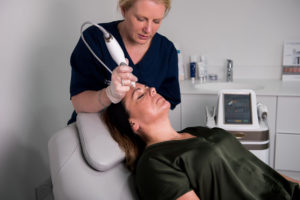
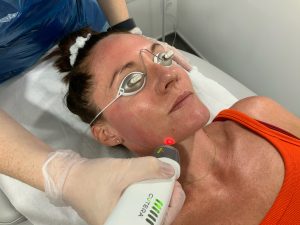
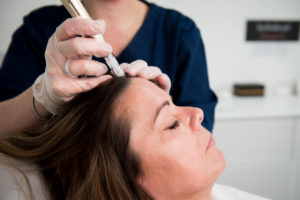
Depending on the patient, this may include treatments such as laser, Laser Genesis, Fotona, peels, microneedling, EXO|E skin health restoration or other supportive treatments.
Discrete pigmented lesions are treated differently from diffuse pigmentation. Solar lentigines, often described as sun spots or age spots, may be suitable for removal with Plasma BT once the lesion has been assessed and confirmed as appropriate for treatment. This is a targeted lesion removal approach rather than a treatment for widespread pigmentation or melasma.
The right combination depends on the type of pigmentation, the skin type, the level of inflammation, the skin barrier and the patient’s goals.
For some patients, skincare is the main treatment. For others, skincare prepares the skin for in-clinic treatment. In many cases, skincare is also what maintains the result afterwards. The best outcomes usually come when homecare and clinic treatments work together.
For more information about the different causes of skin discolouration and our clinic treatment options available, read our skin pigmentation guide.
What to Expect When Starting a Pigmentation Plan
Pigmentation plans often require patience and consistency.
The skin renews in cycles, and one skin cell cycle is usually around 4–6 weeks. During the first cycle, patients may notice sensitivity, dryness, tightness, redness, stinging, flaking or peeling, especially if active products are introduced.
This does not automatically mean the programme is wrong. It may be part of the skin’s adjustment to active skincare. However, reactivity needs to be monitored and should not become unmanageable.
At Thames Skin Clinic, we usually recommend a review at around 6 weeks for patients starting ZO Skin Health for the first time. This allows us to assess how the skin is responding, whether the barrier is tolerating the plan, whether pigmentation is starting to improve and whether the programme needs to be adjusted.
Preparing Your Skin for Laser and Other Pigmentation Treatments
Many patients combine ZO Skin Health with in-clinic treatments such as Hydrafacial, Laser Genesis, Excel V+, Secret PRO, Fotona, skin peels, plasma energy or other procedures.
Which Products Should You Stop Before Laser Pigmentation Treatments?
Your skin care routine may need to be adjusted before and after laser treatment for pigmentation. In many cases, active products are paused before treatment, while routine barrier-supporting products may continue.
As a general guide, active products may need to be stopped around 4 days before certain treatments. This includes Hydrafacial, laser treatments, Laser Genesis, Secret PRO, skin peels or plasma energy treatments.
Your exact instructions will depend on your skin, your programme and the treatment planned.
If you are unsure which products to stop, ask the clinic. Your written plan should make clear which products are routine products and which are active treatment products.
Managing Hydroquinone Around Pigmentation Treatments
Pigment-control products are handled differently from exfoliating and retinoid-based actives. In melasma-prone skin and patients who have pigmented after previous treatments, we plan pigment control around energy treatments rather than simply stopping it.
Depending on the device, this may mean priming the skin with hydroquinone beforehand, pausing it while the skin heals, and restarting as soon as the barrier allows.
After non-ablative laser or radiofrequency microneedling, such as Secret RF, this is often within 48–72 hours. After ablative resurfacing such as CO2 or Er:YAG, hydroquinone is not restarted until the surface has fully healed, which may be a week or longer. Alongside this, strict daily SPF 50+, ideally tinted with iron oxides for visible light protection, does more to prevent post-inflammatory pigmentation than any cream applied around the treatment.
This risk is higher in darker skin tones. If you are using hydroquinone or another prescription pigment-control product, discuss it with us before your treatment so we can advise whether to continue, pause or restart it and when. Your written plan will confirm what applies to you.
How Long Does Pigmentation Treatment Take?
Pigmentation can be slow to improve.
The skin renews in cycles, and pigment often needs several cycles to visibly change. Patients may notice early improvements in brightness, texture or clarity before deeper pigmentation begins to look more even.
For some patients, especially those with melasma or post-inflammatory pigmentation, the first stage is about stabilising the skin and reducing triggers. This may mean calming inflammation, improving barrier function and building tolerance before more active correction is introduced.
This is why review is important. Your pigmentation plan may need to change as your skin becomes stronger, clearer and more tolerant.
How to Maintain Skin Pigmentation Treatment Results
Pigmentation has a tendency to return if the triggers are not controlled.
This is particularly true for melasma, sun damage and post-inflammatory pigmentation. Once the skin has improved, maintenance is essential.
A maintenance plan may include daily SPF, antioxidant support, pigment-control products, retinoid-based skincare, barrier support, occasional in-clinic treatments and regular reviews where needed.
At Thames Skin Clinic, we explain from the beginning that pigmentation treatment is not just about clearing what is visible now. It is also about protecting the skin long-term.
Skin Pigmentation Treatment at Thames Skin Clinic, Twickenham
Dr Anna Hemming designed the THAMES approach to bring medical standards into skin assessment and treatment planning.
We assess the skin thoroughly before recommending treatment suitable for uneven complexions. We consider the pigment pattern, the skin barrier, inflammation, triggers, previous product use, treatment history, medical factors and lifestyle.
A pigmentation plan may include ZO Skin Health alone, or ZO Skin Health alongside in-clinic treatments. The programme may be desensitising, gentle, active, hydroquinone-based, non-hydroquinone, corrective, preparatory or maintenance-based depending on the skin.
The goal is clearer, brighter and healthier-looking skin, while reducing the risk of unnecessary irritation or rebound pigmentation.
Book a Pigmentation Consultation in Twickenham
If you are concerned about pigmentation, melasma, sun damage, post-acne marks or uneven skin tone, book a consultation at Thames Skin Clinic in Twickenham.
During your appointment, we will assess your skin, discuss your concerns and design a tailored pigmentation plan. This may include ZO Skin Health, hydroquinone where appropriate, non-hydroquinone retinol pigmentation plans, in-clinic treatments or a combination approach depending on your skin and your goals.
Book a Pigmentation Consultation in Twickenham
Pigmentation and ZO Skin Health – FAQs
Can ZO Skin Health help with uneven skin tone?
ZO Skin Health can be very helpful as part of a treatment plan for uneven skin tone. It may support cell turnover, pigment control, barrier repair and long-term maintenance. The right programme depends on the type of pigmentation and the condition of the skin.
ZO Skin Health may be suitable for different skin tones, but the programme must be tailored carefully. Skin that pigments easily needs a cautious, structured plan to reduce the risk of irritation and post-inflammatory pigmentation.
Is pigmentation the same as melasma?
No. Melasma is one type of pigmentation, but skin discolouration can also include sun damage, age spots, post-acne marks and post-inflammatory pigmentation. Melasma often behaves differently because it is influenced by hormones, UV, visible light, heat and inflammation.
How long does dark spots take to improve?
This varies. Some patients notice brighter, clearer skin within weeks, but areas of darker skin often take several months to improve. Melasma and post-inflammatory pigmentation usually need longer-term management and maintenance.
Do I need SPF every day when treating pigmentation?
Yes. SPF is essential when treating pigmentation. Pigmentation treatment is much less effective if the skin is exposed to UV, visible light or heat without protection. Sunscreen is part of the treatment plan, not an optional extra.
Can I combine ZO Skin Health with laser for pigmentation?
In some cases, yes. However, laser and device-based treatments must be chosen carefully because some types of pigmentation, especially melasma, can be aggravated by unsuitable treatment. At Thames Skin Clinic, we assess the skin first and prepare it properly before recommending in-clinic treatments.
Can I use brightening products from other brands with ZO?
We do not usually recommend mixing brands unless this has been specifically included in your plan. Other products may contain acids, retinoids, fragrance or actives that increase irritation or make the programme less predictable.
9. Does ZO Skin Health include hydroquinone for pigmentation?
ZO hydroquinone is returning to the UK within the ZO Skin Health system. At Thames Skin Clinic, hydroquinone may be considered for selected pigmentation patients where prescription-strength pigment control is appropriate. We also have access to generic hydroquinone for patients who need it.
How long can I use hydroquinone?
Hydroquinone should not be used continuously or without review. At Thames Skin Clinic, hydroquinone plans are usually limited to a maximum of 4 months before moving to a non-hydroquinone maintenance plan.
What happens after a hydroquinone pigmentation plan?
After a hydroquinone phase, we usually move patients onto a non-hydroquinone pigment-control plan. This may include retinol, antioxidants, pigment-supporting ingredients, barrier repair and strict daily SPF. Some patients may cycle between hydroquinone and non-hydroquinone phases depending on their pigmentation pattern, skin response and long-term goals.
Why do I need review during a pigmentation programme?
Pigmentation treatment needs review because the skin changes as treatment progresses. A plan may need to become more active, more restorative or move from a hydroquinone phase to a non-hydroquinone maintenance phase. Review also helps reduce the risk of irritation, rebound pigmentation or over-treatment.
Should I stop hydroquinone before laser, radiofrequency or plasma energy treatment?
This is not the same for every treatment or every patient. Exfoliating and retinoid-based actives are usually paused beforehand, but pigment-control products are managed separately, particularly in darker skin tones where the risk of post-inflammatory pigmentation is higher. If you are using hydroquinone or another prescription pigment-control product, please discuss it with us alongside your pigmentation plan and any other treatments so we can advise on the right approach and timing for your skin.
Individual results vary. Pigmentation treatment should be planned following professional assessment, especially in darker skin tones, melasma-prone skin, sensitive skin, patients with a history of post-inflammatory pigmentation or patients using prescription-strength pigment-control products. Pigmentation treatment, active skincare and prescription-strength pigment-control products are not suitable for everyone, including patients who are pregnant or breastfeeding.