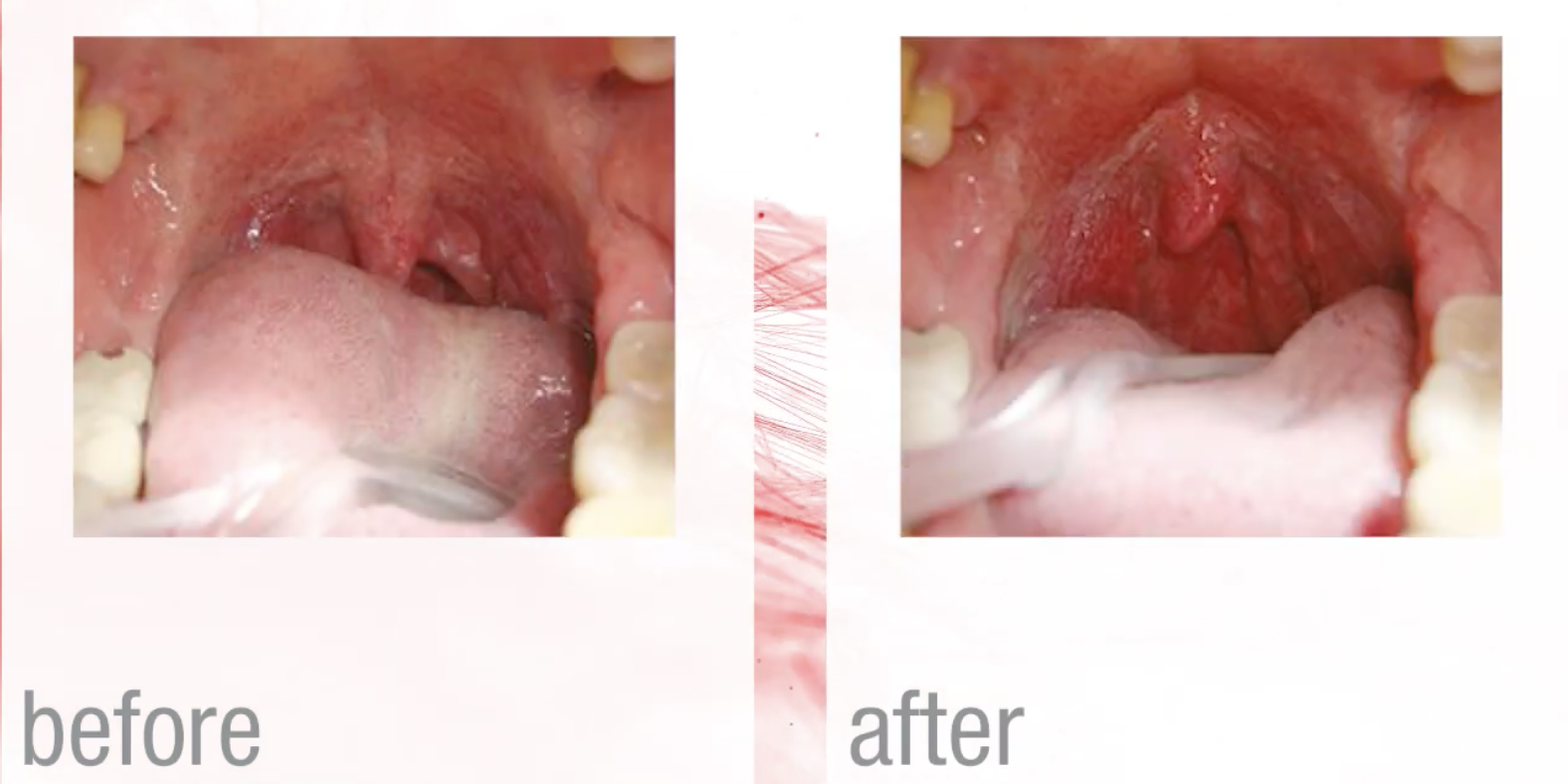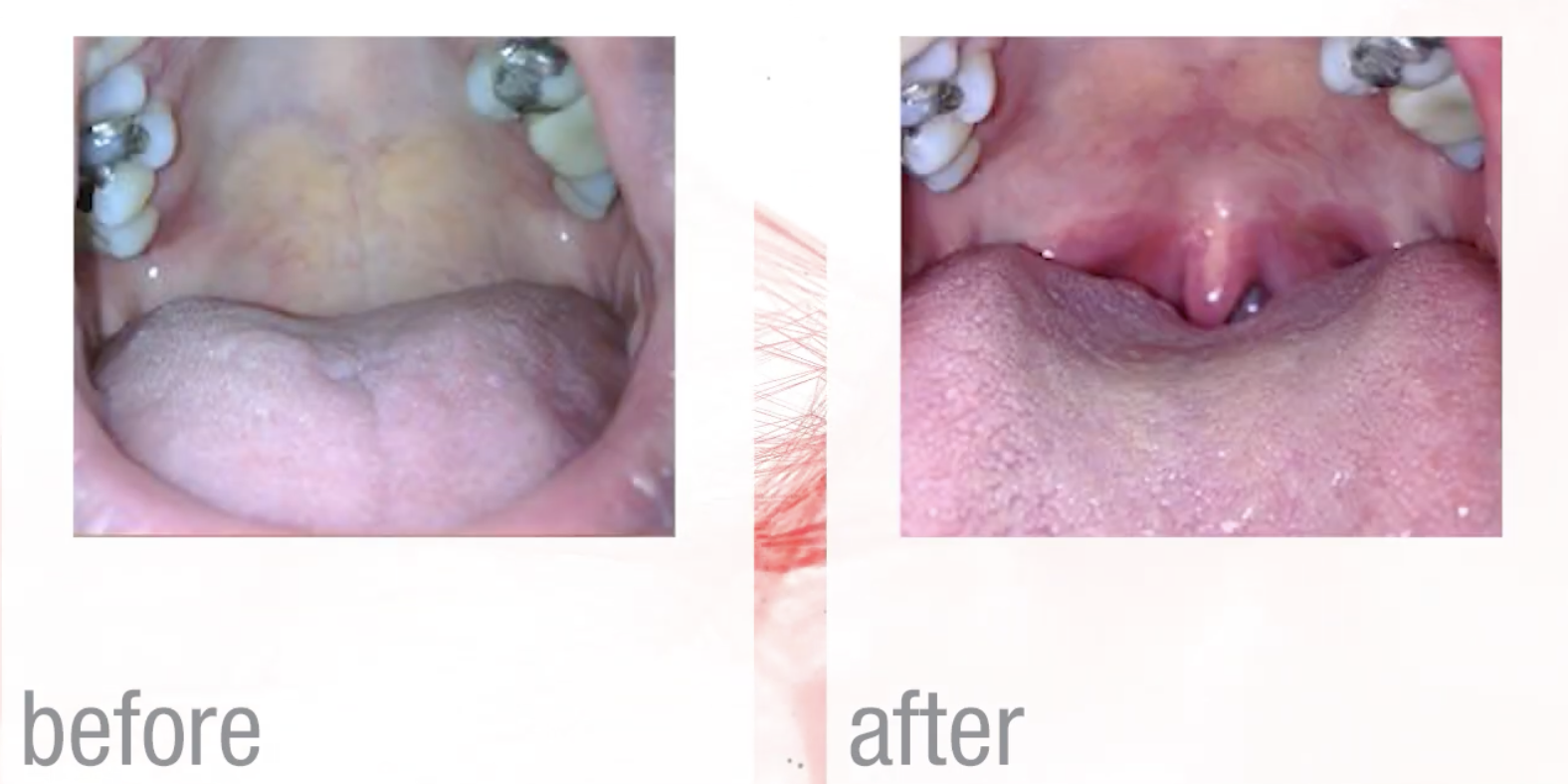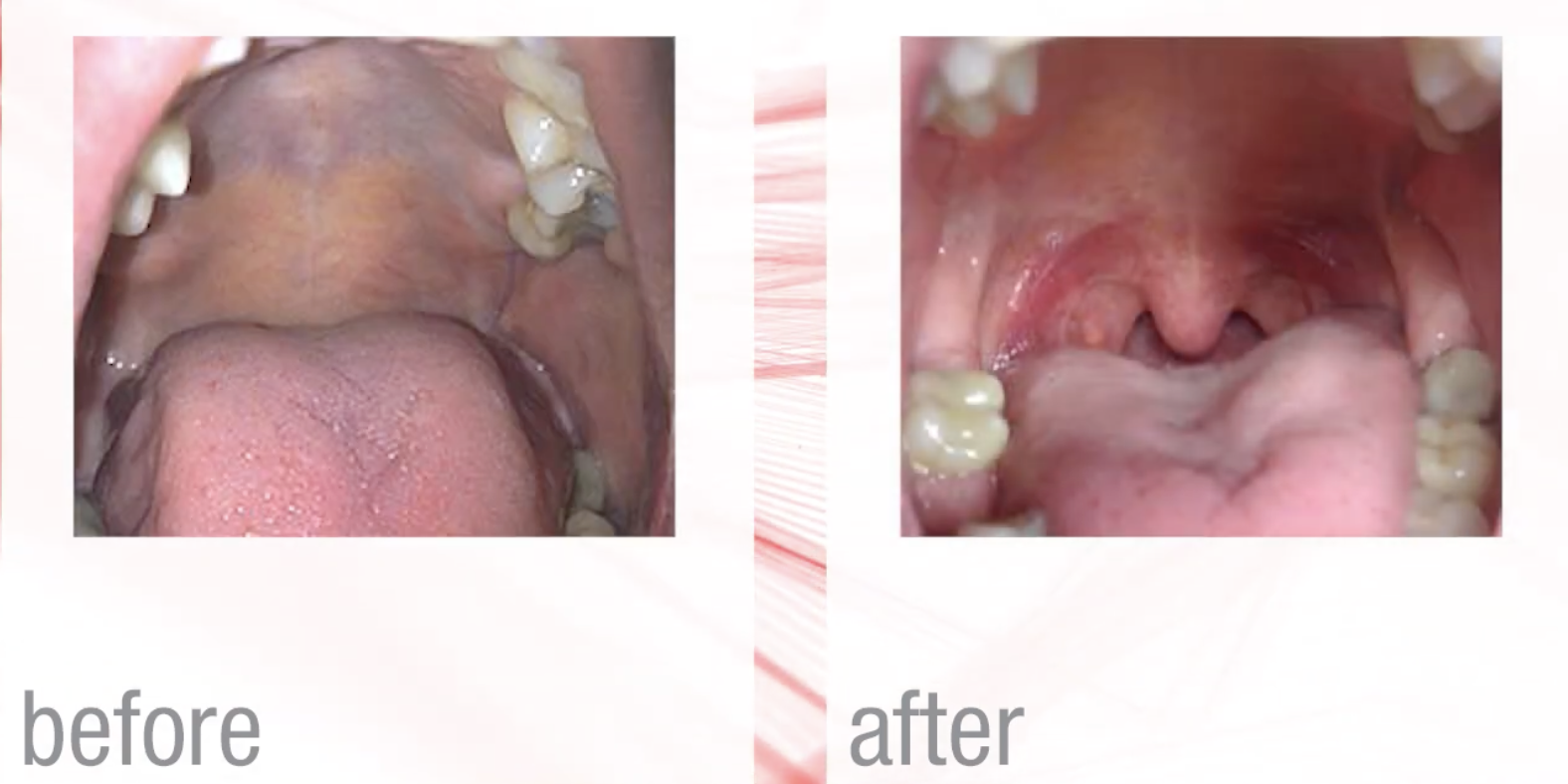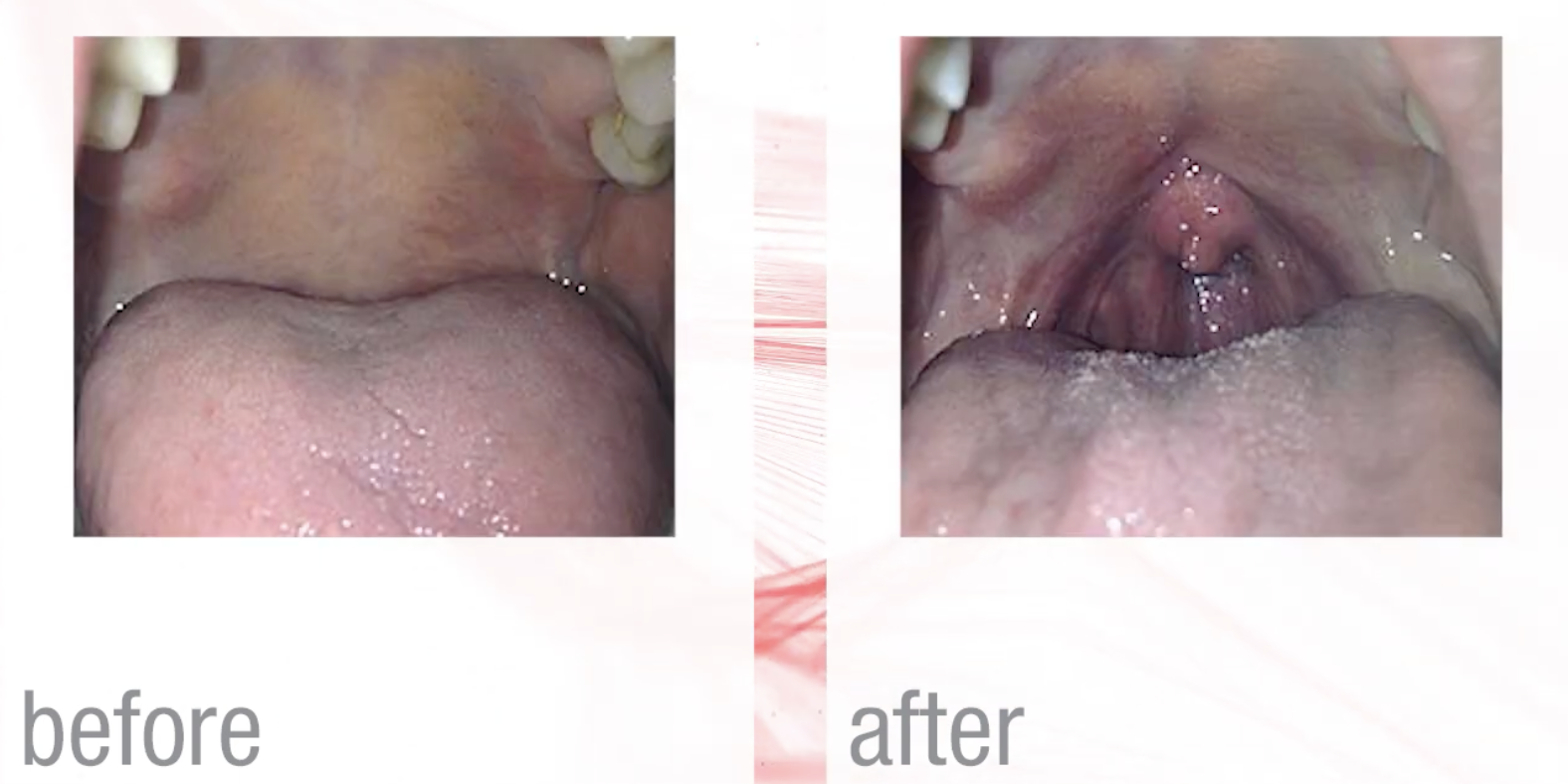
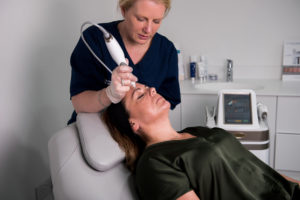
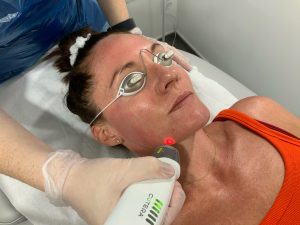





Fotona NightLase® is a non-invasive laser treatment designed to reduce snoring caused by vibration of soft tissues at the back of the throat.
What is Fotona NightLase®?
How does NightLase® work?
NightLase® uses Fotona Er:YAG laser energy to gently heat the soft palate and selected throat tissues. This stimulates collagen tightening and may reduce tissue vibration during sleep.
Is NightLase® a treatment for sleep apnoea?
NightLase® is not a replacement for sleep apnoea diagnosis or treatment. If sleep apnoea is suspected, GP or sleep clinic assessment may be needed before treatment.
How do I know if my snoring might be sleep apnoea?
Warning signs include breathing pauses, gasping or choking during sleep, severe daytime tiredness, morning headaches, poor concentration or a partner noticing that your breathing stops and starts.
Does NightLase® hurt?
Most patients tolerate treatment well. You may feel warmth or heat inside the mouth and throat, but anaesthetic is not usually required.
Is there downtime after NightLase®?
Downtime is usually minimal. Some patients may notice mild throat dryness, warmth, scratchiness or sensitivity for a short time.
How many NightLase® treatments do I need?
A course of 3 treatments spaced around 4 weeks apart is usually recommended.
When will I notice results?
Some patients notice improvement after the first treatment, but results usually build gradually over several weeks as collagen remodelling develops.
How long do NightLase® results last?
Results vary. Some patients choose maintenance treatment when symptoms begin to return.
Can NightLase® replace CPAP?
No. If CPAP has been prescribed for sleep apnoea, you should continue to follow your sleep specialist’s advice. NightLase® is not a substitute for CPAP where CPAP is medically required.
Can NightLase® help my partner sleep better?
If your snoring reduces, your partner may also sleep better. However, results vary and depend on the cause of snoring.
Is NightLase® suitable for everyone who snores?
No. Snoring can have different causes. Suitability depends on symptoms, anatomy, medical history and whether sleep apnoea is suspected.
Do I need a sleep study before NightLase®?
Not everyone needs a sleep study, but if your symptoms suggest possible obstructive sleep apnoea, Dr Anna may advise GP or sleep clinic assessment before treatment.
What happens if Dr Anna thinks I may have sleep apnoea?
You may be advised to speak to your GP or seek sleep clinic assessment before considering NightLase®. This is to make sure any underlying sleep breathing disorder is properly diagnosed and treated.
What results can I expect?
NightLase® is designed to reduce snoring severity and support better sleep quality in suitable patients.
Patients may notice:
Reduced snoring volume
Reduced snoring frequency
Improved sleep quality
Improved partner sleep
Less dry throat on waking
Feeling more refreshed on waking
Improved confidence sharing a bedroom
Results vary. Snoring can be caused by multiple factors, including weight, alcohol, smoking, nasal obstruction, sleep position, jaw position, tongue position, medications, allergies, anatomy and sleep apnoea. If snoring is caused mainly by nasal blockage, tongue position, jaw position or significant obstructive sleep apnoea, NightLase® may not be the most appropriate treatment.
NightLase® and obstructive sleep apnoea difference?
This is the most important part of the consultation.
Snoring can be simple, but it can also be a sign of obstructive sleep apnoea. Sleep apnoea symptoms include breathing stopping and starting during sleep, gasping or choking noises, waking frequently, loud snoring, daytime tiredness, difficulty concentrating, mood changes and morning headaches.
If Dr Anna is concerned that you may have obstructive sleep apnoea, you may be advised to see your GP or be referred for sleep assessment before treatment. NICE has a dedicated guideline for the diagnosis and management of obstructive sleep apnoea/hypopnoea syndrome in adults, highlighting the need for appropriate recognition, investigation and treatment.
NightLase® should not be used to delay or replace sleep apnoea diagnosis or treatment.
What happens during NightLase® treatment?
Your appointment begins with consultation and screening. Dr Anna will ask about your snoring pattern, sleep quality, daytime symptoms, medical history, medication, alcohol intake, smoking, nasal symptoms, reflux, mouth breathing and whether anyone has noticed breathing pauses during sleep.
If treatment is suitable, the mouth and throat area are assessed. Protective laser safety measures are used.
The laser is applied inside the mouth to the soft palate and selected tissues. Most patients describe the sensation as warmth or heat. Anaesthetic is not usually required.
After treatment, you can usually return to normal activities straight away.
NightLase® vs mandibular advancement device
A mandibular advancement device is a mouth appliance that holds the lower jaw forwards during sleep. It can be helpful where snoring or airway narrowing is partly related to jaw or tongue position.
NightLase® works differently. It tightens soft palate and throat tissues using laser energy. It may be more suitable where soft tissue vibration is the main contributor.
Some patients may need a dental sleep device, NightLase®, lifestyle changes or a combination plan depending on the cause of snoring.
NightLase® vs surgery for snoring
Surgery for snoring may involve removing or altering tissue in the throat or nose. It is more invasive and may involve downtime, discomfort and surgical risks.
NightLase® is non-surgical. It does not remove tissue. It aims to tighten soft tissues through collagen stimulation.
NightLase® may be appropriate for selected patients who want a non-surgical option, but it will not be suitable for every cause of snoring.