



Rosacea is a long-term skin condition. It cannot be cured, but the visible signs and symptoms can often be managed with the right plan. At Thames Skin Clinic in Twickenham, we often use ZO Skin Health carefully for rosacea-prone, red, sensitive and reactive skin. ZO Skin Health can help support rosacea-prone skin, but it must be introduced carefully because active skincare can aggravate redness if the barrier is not ready.
The first stage is often desensitising the skin, repairing the barrier, reducing triggers and improving tolerance before introducing more active correction. For many patients, skincare is a treatment in its own right and may also support treatments such as Excel V+, Laser Genesis and EXO|E skin health restoration.
Rosacea, facial redness and sensitive skin are common reasons patients come to Thames Skin Clinic for help. Here is how and why we use ZO Skin Health in our rosacea treatment plans.
How Do We Identify Rosacea?
Rosacea is a long-term inflammatory skin condition that mainly affects the face. Some patients describe constant redness. Others notice flushing, heat, stinging, visible veins, bumps, breakouts that look similar to acne or skin that reacts unpredictably to products. Some have visible thread veins. Many have been told they have “sensitive skin”, but they do not always understand why their skin is behaving this way.
This is why assessment matters. Not all redness is rosacea, and not all rosacea should be treated in the same way.
What Can Trigger Rosacea?
Rosacea-prone skin is often reactive to internal and external triggers.
Common triggers of rosacea may include:
- Heat and sun exposure
- Alcohol and hot drinks
- Spicy food
- Stress
- Exercise
- Hormonal changes
- Harsh skincare and over-exfoliation
- Fragrance or irritating ingredients
- Some medications
- Certain in-clinic treatments if the skin is not prepared properly
At Thames Skin Clinic, we do not simply treat the redness we can see. We look at the whole skin environment: barrier function, inflammation, vascular behaviour, skincare history, triggers, sensitivity and treatment tolerance.
Why Sensitive Skin Often Means Barrier-Impaired Skin
Many patients say, “My skin is sensitive.”
At the clinic, we often find that the issue is not simply sensitivity. It is a weakened or disrupted skin barrier.
The skin barrier helps keep moisture in and irritants out. It also helps regulate inflammation and protect the skin from environmental stress. When the barrier is compromised, the skin may become dry, tight, red, itchy, stinging, reactive or unpredictable.
Patients may find that products sting, moisturisers stop working, makeup sits badly, redness flares easily or treatments feel more uncomfortable than expected. This is why rosacea-prone and sensitive skin often needs barrier repair before stronger active skincare is introduced.
Can ZO Skin Health Help Rosacea-Prone Skin?
ZO Skin Health can be helpful for rosacea-prone, red and reactive skin when it is used as part of a supervised plan.
At Thames Skin Clinic, we may use ZO to support:
- Barrier repair
- Reduced visible inflammation
- Better skin tolerance
- Healthier cell turnover
- Oil and congestion control where needed
- Improved skin resilience
- Support before vascular laser or Laser Genesis
- Long-term maintenance after redness treatment
The aim is not to cure rosacea. Rosacea should be understood as a long-term condition. The aim is to help settle visible signs and symptoms, strengthen the skin barrier, reduce the impact of triggers and improve how the skin functions.
Why ZO Must Be Introduced Carefully in Rosacea
Rosacea-prone skin can be reactive.
Some ZO products are active and may cause expected changes such as dryness, redness, stinging, flaking or peeling during the adjustment phase. For the right patient, this can be part of skin renewal. For a very reactive patient, it may be too much too soon.
This is why Dr Anna does not start every rosacea patient on the same programme.
Some patients need a desensitising phase first. Others may need a gentle progressive plan. Some may be ready for more active products later, once the skin is calmer and the barrier is stronger.
The correct starting point depends on the skin in front of us.
Desensitising The Skin First
For many rosacea-prone patients, the first stage is desensitising.
This means reducing reactivity and helping the skin feel calmer, more comfortable and more stable. The aim is to rebuild the foundation before asking the skin to tolerate more active correction.
A desensitising plan may focus on:
- Gentle cleansing
- Barrier support
- Calming ingredients
- Careful SPF selection
- Reducing irritants
- Avoiding over-exfoliation
- Introducing products slowly
- Supporting the skin through visible inflammation
- Avoiding unnecessary actives until the skin is ready
This stage can be very important. If the skin is pushed too hard too early, redness and sensitivity can worsen. If the skin is supported properly, it often becomes more resilient and better able to tolerate the next stage of treatment.
Why Rosacea Skincare Takes Time
Rosacea-prone skin often needs time.
At Thames Skin Clinic, we usually explain that skincare for rosacea is not a quick fix. Once the skin has been desensitised, it can take around 6 to 8 months to properly treat. That includes supporting the skin barrier, reducing reactivity and building more stable long-term skin health.
Some patients notice early improvements in comfort, texture or reduced stinging. Others need several skin cycles before redness, sensitivity and flare patterns begin to feel more controlled.
The skin renews in cycles, and one skin cell cycle is usually around 4 to 6 weeks. During the early stages of active skincare, some patients may experience:
- Stinging
- Pinkness
- Redness
- Tenderness
- Flaking
- Peeling
- Irritation
This needs to be monitored and adjusted so the skin is supported rather than overwhelmed.
Rosacea is Not Acne
Rosacea and acne can look similar, especially when rosacea causes bumps or pustules.
However, rosacea and acne are not the same condition.
Acne is often linked to oil production, blocked pores, bacteria, inflammation and hormonal factors. Rosacea is more closely linked with vascular reactivity, inflammation, barrier dysfunction and triggers.
This matters because acne-style treatment can sometimes make rosacea-prone skin worse. Strong acids, scrubs, harsh spot treatments or aggressive routines may increase irritation and flushing.
At Thames Skin Clinic, we assess whether spots are true acne, rosacea-related papules and pustules or a combination of both. This allows us to build a plan that targets the right problem without aggravating the skin.
Redness, Flushing and Visible Veins
Not all redness responds to skincare alone.
Skincare can improve barrier function, reduce reactivity, calm visible inflammation and support skin health. However, persistent redness, flushing and visible blood vessels may also need in-clinic treatment.
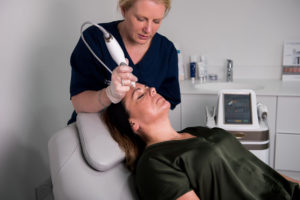
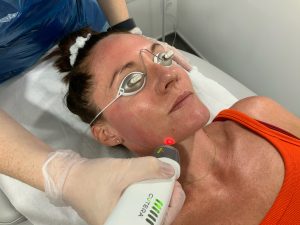
At Thames Skin Clinic, rosacea treatment may include ZO Skin Health alongside treatments such as Excel V+ vascular laser or Laser Genesis where appropriate. These treatments are selected after assessment and are planned around the condition of the skin. The best results often come when skincare and in-clinic treatment work together.
How ZO May Support Vascular Laser and Laser Genesis
When the skin barrier is healthier, the skin is often more tolerant and more predictable.
This is why we may use ZO Skin Health before, during or after redness treatments such as Excel V+ and Laser Genesis.
The skincare plan may help:
- Prepare the skin before treatment
- Reduce unnecessary irritation
- Support the barrier
- Improve treatment tolerance
- Maintain results between sessions
- Reduce flare patterns over time
- Support long-term skin health after laser
Some active products may need to be paused before and after treatment. Active skincare may need to be stopped around 4 days before certain treatments such as Hydrafacial, laser treatments, Laser Genesis, Secret PRO, skin peels or plasma energy. Your exact instructions will depend on your skin and treatment plan.
Where EXO|E May Fit into Rosacea Skin Treatments
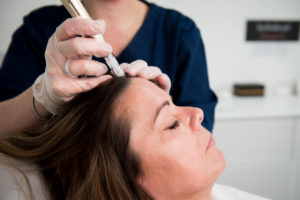
For rosacea-prone skin with more pronounced inflammation, barrier compromise or post-treatment recovery needs, we may also introduce EXO|E skin health restoration.
EXO|E is not added randomly or used as a substitute for assessment. It is included deliberately when the skin needs additional support with visible inflammation, comfort, barrier recovery or repair.
For some patients, ZO Skin Health and EXO|E can work together as part of a wider skin restoration plan. ZO provides the structured medical skincare programme. EXO|E may provide additional restorative support where the skin needs help settling and recovering.
Different Starting Levels for Rosacea Patients
Not every rosacea patient starts ZO in the same way.
At Thames Skin Clinic, Dr Anna may design a plan that is:
- Desensitising for very reactive or inflamed skin
- Barrier-focused for dry, tight or stinging skin
- Gentle and progressive for patients who need a slow introduction
- Maintenance-based for patients who are already stable
- More active for selected patients whose skin can tolerate stronger correction
- Combined with Excel V+ or Laser Genesis for vascular redness and visible veins
- Supported with EXO|E where additional skin health restoration is needed
This is why a consultation is important. Two patients may both have rosacea, but their plans may look completely different.
Why SPF Matters During Rosacea Treatments
Sun exposure is a common rosacea trigger, and SPF is an important part of managing redness-prone skin.
However, some sunscreens can sting or feel uncomfortable on reactive skin. This is why the choice of SPF matters. At Thames Skin Clinic, we consider the skin barrier, sensitivity, texture, oiliness, pigmentation risk and treatment plan before recommending a sunscreen.
Patients using ZO Skin Health must apply sunscreen consistently and correctly. SPF is not just an anti-ageing product. For rosacea-prone skin, it is part of reducing triggers and protecting the skin barrier.
Why Mixing Skincare Brands Can Make Redness Worse
Patients with sensitive or rosacea-prone skin often arrive with many products.
They may be using calming serums, acids, vitamin C, retinoids, barrier creams, masks, oils and SPF from different brands. Each product may seem sensible on its own, but together they can create too much activity or too many variables.
Mixing brands can make it harder to know what is helping, what is irritating and what is making redness worse.
At Thames Skin Clinic, we usually recommend keeping the plan simple and structured. If another product is useful, we will include it deliberately. Otherwise, we prefer not to mix multiple skincare brands during the early stages of a rosacea or redness programme.
What to Expect When Starting ZO for Redness or Rosacea
The first stage is usually about improving comfort, tolerance and stability.
Some patients notice that the skin feels calmer quite quickly. Others may take longer, especially if the barrier has been impaired for months or years.
Depending on the plan, patients may experience:
- Mild dryness
- Tightness
- Stinging on application
- Temporary redness
- Flaking
- Changes in texture
- Improved comfort over time
- Better tolerance to products
- Fewer flare patterns as the skin becomes more stable
Reactivity should be manageable. If the skin becomes very sore, swollen, cracked, weeping, painful or unusually inflamed, the clinic should be contacted so the plan can be reviewed.
Why a Review Is Important
Rosacea-prone skin changes over time.
A plan that is right at the beginning may need to be adjusted once the skin is calmer and stronger. Products may need to be increased, reduced, paused or changed depending on the response.
At Thames Skin Clinic, we often recommend a review around 6 weeks for patients starting ZO Skin Health. This allows us to assess barrier response, redness, sensitivity, tolerance, inflammation, flare patterns and whether the skin is ready for the next stage of treatment.
For rosacea, review is especially important because treatment is about long-term control, not a one-off cure.
Rosacea Treatment Programmes at Thames Skin Clinic
Dr Anna Hemming designed the THAMES approach to bring medical standards into skin assessment and treatment planning.
For rosacea, redness and sensitive skin, this means we assess the skin carefully before recommending treatment. We consider the skin barrier, redness pattern, flushing, visible vessels, papules and pustules, triggers, pigmentation risk, skincare history, lifestyle and treatment tolerance.
A treatment plan may include ZO Skin Health alone, or ZO alongside in-clinic treatments such as Excel V+, Laser Genesis, EXO|E skin health restoration or other supportive treatments.
Book a Rosacea Consultation in Twickenham
If you are concerned about rosacea, facial redness, flushing, visible veins, sensitive skin or reactive skin, book a consultation at Thames Skin Clinic in Twickenham.
During your rosacea consultation, we will:
- Assess your skin
- Discuss your triggers
- Design a tailored plan to support your skin barrier and reduce visible signs and symptoms.
Book a rosacea consultation in Twickenham today.
Individual results vary. Rosacea is a long-term condition and treatment aims to manage signs and symptoms rather than cure it. Active skincare should be introduced following professional assessment, especially in sensitive, reactive, inflamed or medically complex skin. Treatment plans may not be suitable during pregnancy or breastfeeding.
Rosacea, Redness and ZO Skin Health FAQs
Can ZO Skin Health cure rosacea?
No, Zo Skin Health cannot cure rosacea. Rosacea is a long-term condition and should not be described as cured. It can help sensitive or reactive skin when introduced correctly. Many sensitive patients need a desensitising or barrier-focused plan before active products are considered.
The aim is to help manage visible signs and symptoms, support the skin barrier, reduce reactivity and improve long-term skin control.
Will My Skin Get Redder When I Start ZO?
Some temporary redness, stinging or dryness can happen when active skincare is introduced. However, this should be monitored. Rosacea-prone skin should not be overwhelmed, and the plan can be adjusted if redness feels excessive.
Can ZO Help With Flushing?
ZO may help support the skin barrier and reduce visible reactivity, but flushing can be driven by vascular triggers, heat, stress, alcohol, spicy food or other factors. Persistent flushing may need a broader plan that includes trigger management and, in some cases, vascular laser or Laser Genesis.
Can ZO Help Visible Veins?
Skincare can support the skin around visible vessels, but it will not usually remove established thread veins. Treatments such as Excel V+ vascular laser may be more appropriate for visible facial veins after assessment.
Can I Use Retinol If I Have Rosacea?
Some rosacea-prone patients can use retinol, but it needs to be introduced carefully and only when the skin is ready. Others need desensitising and barrier repair first.
Should I Stop My Active Skincare Before Laser?
In many cases, active products may need to be paused before laser or other in-clinic treatments. Your clinic plan will explain what to stop and when. If you are unsure, contact the clinic before your appointment.