
Rosacea is one of those skin conditions that many people have heard of, but very few truly understand. What makes rosacea particularly challenging is how differently it presents from person to person, from mild flushing to more persistent redness and skin changes. In this article, we share 7 key facts about rosacea that many people don’t realise. These insights help clear up common myths and explain why rosacea is so often misunderstood.
So What is Rosacea?
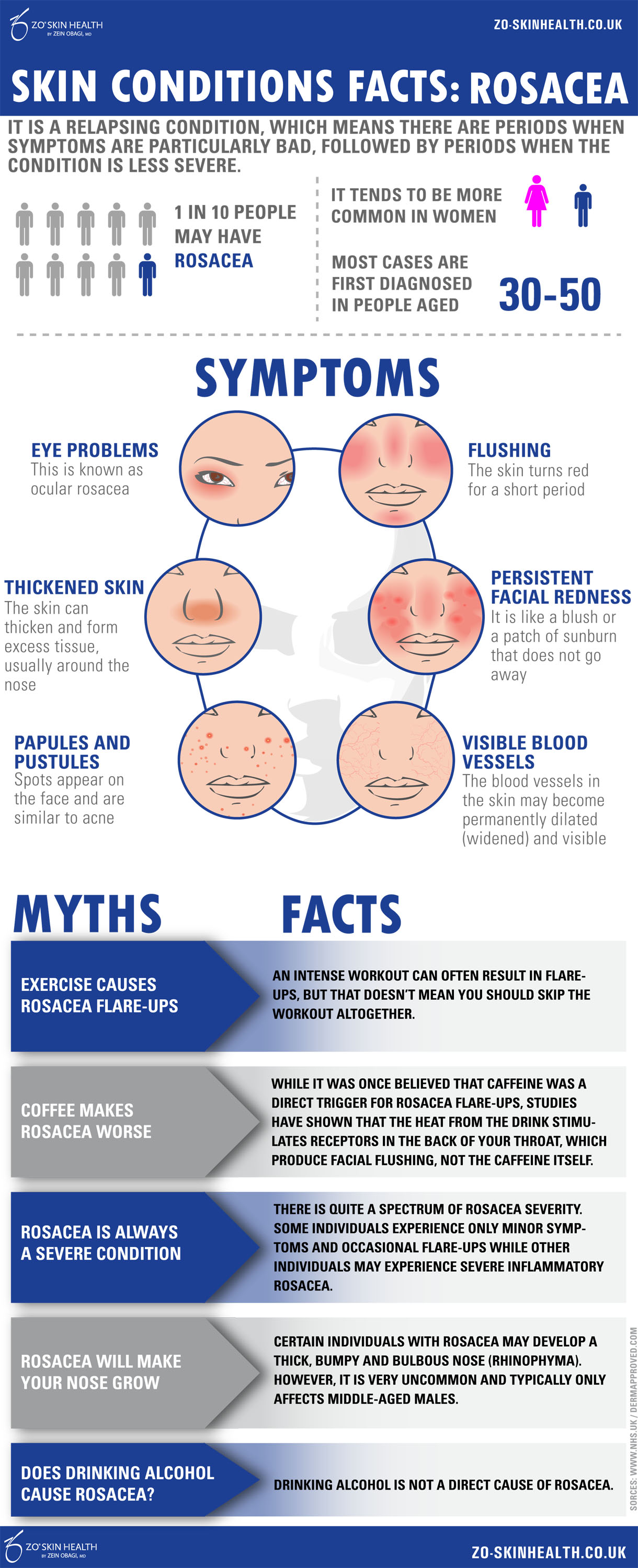
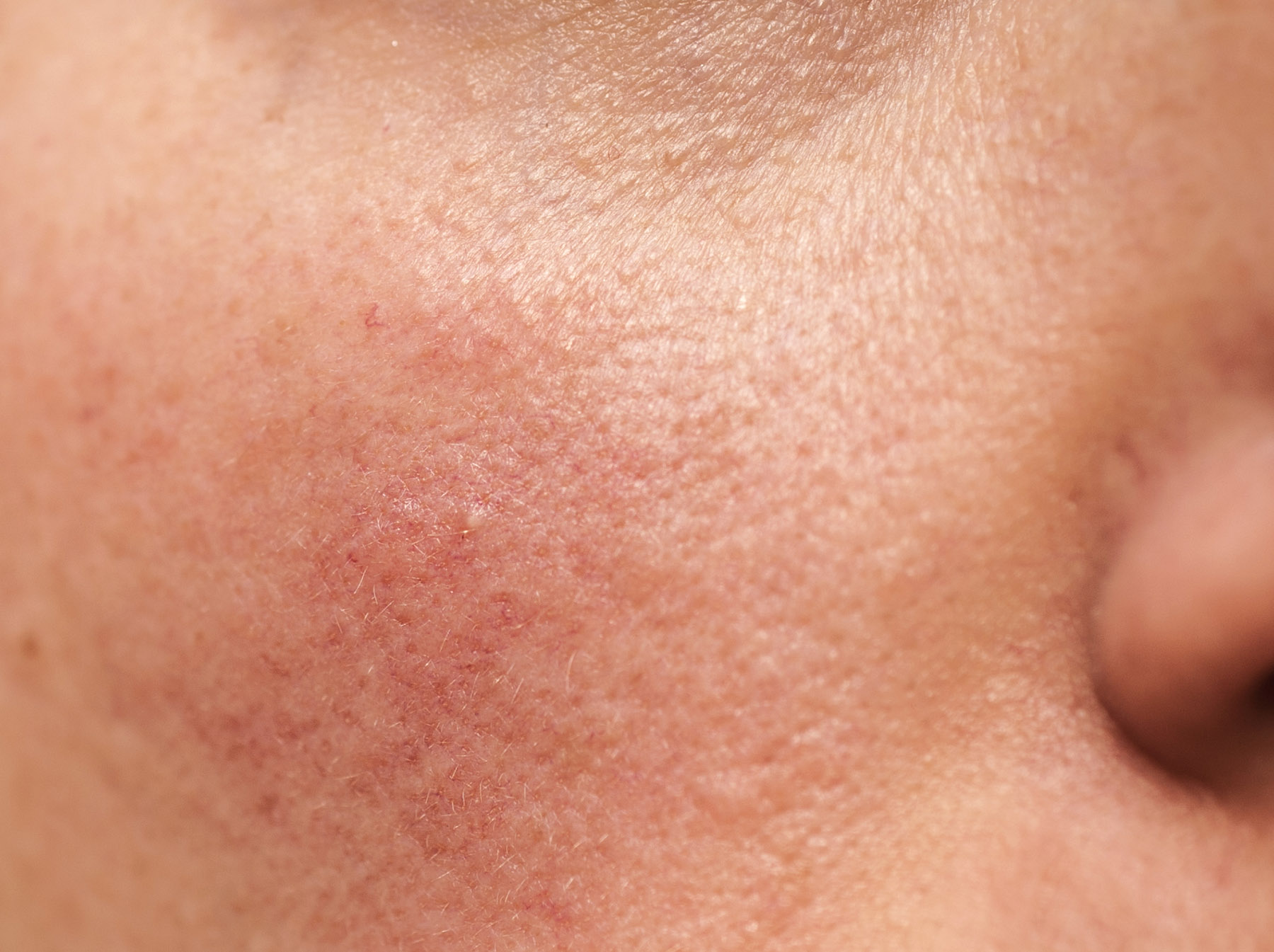
First let’s talk about what rosacea is. Rosacea is a chronic inflammatory disease of the skin, which mainly affects the central part of the face on the cheeks, nose and forehead. Classic signs include:
- Red papules
- Pustules
- Telangiectasia, which are visible tiny blood vessels
- Thickening of the skin, which in severe cases can cause a swollen or bulbous appearance of the nose known as rhinophyma
Rosacea is primarily a skin condition, but it can also affect the eyes in some people.
Here are 7 key facts about rosacea you might not know…
1 Rosacea affects around 1 in 10 adults in the UK.
Rosacea is far more common in the UK than most people realise, yet it is still widely misunderstood and underdiagnosed.
2. Rosacea is often misdiagnosed as acne or allergies.
Rosacea can be confused with acne, as it can look similar. However, there is a key difference: rosacea does not cause blackheads or whiteheads (comedones). Instead, it causes red inflamed bumps and flushing across the central face.
Unlike allergies, rosacea usually does not itch. Allergies tend to be itchy, whereas rosacea mainly affects how the skin looks rather than how it feels.
3. Men are more likely to develop severe forms, even though women are diagnosed more often.
Rosacea is more commonly seen in women, but when men develop it, it is more likely to progress to thickened skin changes such as rhinophyma. There is often a family history, and studies show that both genetics and environment influence whether someone develops symptoms.
4. It’s not caused by poor hygiene; triggers are mainly environmental and genetic.
You cannot “catch” rosacea from someone else, meaning it is not contagious and it is not connected with poor hygiene.
5. Sun exposure is the biggest trigger for most people.
While triggers of rosacea vary from person to person, sunlight is by far one of the most common. According to surveys by the National Rosacea Society, sun exposure is the most common factor causing flare-ups, noted by 81% of patients. Sunlight causes heating of the skin, which triggers a complex biological reaction, causing visible blood vessels to expand. This is why daily sun protection is such a key part of managing rosacea.
6. Some types of rosacea are invisible.
Certain types and stages of rosacea can be “almost invisible” in certain stages or skin tones. Not everyone with rosacea has constant redness or spots. Some people only experience flushing that comes and goes, especially with heat, stress or certain foods and drinks.
Rosacea can present very differently on darker skin tones. We explain how signs can look subtle or distinct from classic redness in our article on rosacea in skin of colour.
7. Early treatment can prevent worsening and visible skin changes.
Rosacea is a progressive inflammatory condition. Starting treatment early can help:
- Control symptoms
- Reduce flare-ups
- Prevent long-term changes such as persistent redness and skin thickening
For practical advice on selecting and layering products to calm sensitive and rosacea-prone skin, see our guide to building a gentle rosacea skincare routine.
Rosacea Treatment with ZO
ZO Skin Health and ZO Medical products are formulated to treat symptoms, such as flushing, redness, prominent blood vessels, papules and pustules.
Rozatrol is a new ZO Medical treatment product, which is used within a personalised ZO protocol. It relieves visible signs and symptoms, normalising skin by reducing excess oil, it decreases inflammation. As an enzymatic exfoliator, it provides ultra-mild exfoliation. The amino acids support optimal microcirculation preventing the signs of premature ageing. Rozatrol can be used on red, sensitised skin.
More about Rhinophyma
Rhinophyma (pictured) is a slowly progressive condition caused by hypertrophy of the sebaceous glands on the tip of the nose. It presents as a pink lobulated mass over the nose with superficial vascular dilation. Left untreated, these growths enlarge and can obstruct breathing and vision.
Managing Rosacea as Thames Skin Clinic
Rosacea is something we understand and treat purposefully here at Thames Skin Clinic in Twickenham and London. At our doctor-led clinic, our approach mirrors the way we care for all skin concerns: with thorough consultations, tailored plans and genuine support every step of the way.
Because rosacea varies so much between individuals, there’s no single treatment that suits everyone. We are a CQC-registered skin clinic, who mix clinical expertise with personalised planning. We combine medical-grade skincare, trigger management and professional treatments that help calm redness and reduce visible vessels.
If you’d like a personalised rosacea assessment and treatment plan, our team in Twickenham is here to help. Start by booking a consultation to talk through your concerns and options.
If you want a deeper look at rosacea symptoms, triggers and effective management strategies, check out our full guide on understanding rosacea and how to manage it.