

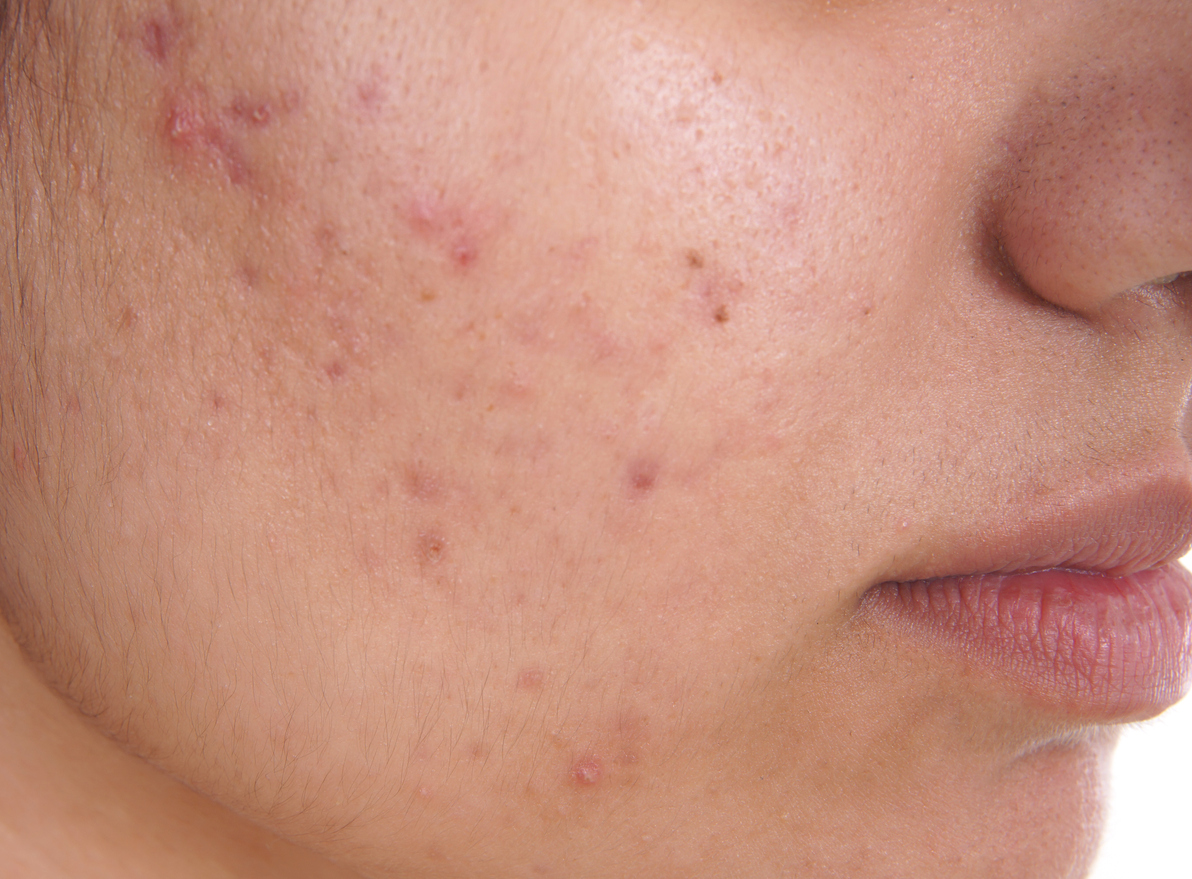
Acne is one of those skin concerns that affects far more people than most realise. At Thames Skin Clinic in Twickenham, we treat teenagers dealing with their first breakouts all the way through to adults whose acne has persisted for years. And we often get asked, ‘Can what I eat and how stressed I am really make my skin worse?’
The short answer is yes. But it’s a bit more nuanced than that. In this article we will discuss the relationship between stress, diet and acne.
Does Diet Affect Acne?
Yes, while there is not enough evidence to show that diet directly causes acne, it definitely has an affect on acne. However, it does vary amongst individuals. Diets high in processed sugar, refined carbohydrates and dairy impact our hormones, which in turn can make acne worse.
These foods spike your insulin levels, which increases the hormone IGF-1. Raised IGF-1 activates your sebaceous glands, which are your oil glands, to produce more oil. More oil means congested pores, and congested pores mean breakouts.
What Foods Make Acne Worse?
High glycaemic index (GI) foods are known to make acne worse. These are foods that cause a rapid spike in blood sugar, including:
- White bread, white rice, and pasta
- Sugary drinks and sweets
- Crisps and processed snacks
- Ice cream and milk chocolate
Processed foods are another category to watch. As a general rule, anything that comes in a packet with a long list of ingredients is worth reducing. The exceptions are things like oats, nuts, seeds, and cereals, which are actually beneficial.
Is Dairy Really Bad for Acne?
Dairy, particularly milk, can be a significant acne trigger for many people. Here is why.
Milk contains casein and whey protein, both of which have high bioavailability, meaning your body absorbs them quickly. This rapid absorption raises IGF-1 levels, which, as we explained above, drives oil gland activity.
What surprises a lot of people is that skimmed milk is actually worse for acne than full-fat milk. It spikes IGF-1 levels more, and it is also more processed.
Here is a quick breakdown of dairy and acne:
- Milk: the biggest trigger, especially skimmed
- Yoghurt: actually beneficial due to its probiotic content
- Cheese: generally neutral, less impact on IGF-1
Good alternatives to cow’s milk include oat milk and almond milk, which do not have the same IGF-1-raising effect.
What Foods Can Actually Help Clear Acne?
There are plenty of foods that actively support our gut health which supports our skin health. The goal is to balance blood sugar, support gut health and reduce inflammation.
Good food choices include:
- Complex carbohydrates like oats, beans and chickpeas
- A wide variety of colourful vegetables, think kale, broccoli, peppers, sweet potatoes and tomatoes
- Almonds, cashews, and other nuts
- Fermented foods like yoghurt, sauerkraut and pickles for gut health and probiotic support
- Green tea, which has strong antioxidant and anti-inflammatory properties
- Plenty of water to support hydration and help flush toxins
The nutrients in these foods, particularly vitamins A, C, and E, along with zinc and magnesium, are essential for reducing inflammation and supporting skin healing.
Does Stress Cause Acne Breakouts?
Yes, stress often has a direct impact on acne breakouts. When you are stressed, your body produces hormones, such as cortisol and adrenaline. These hormones increase oil production in your skin, which leads to blocked pores and breakouts.
In a patient survey, 90% of healthcare professionals agreed that stress could make skin problems worse.
If you already have acne, stress can set off a difficult cycle. You break out, which makes you feel self-conscious and anxious, which increases your stress levels, which makes your skin worse.
The same applies to other skin conditions. If you have eczema or psoriasis, high-stress periods are very likely to trigger flare-ups. And the worse your skin looks, the more stressed you tend to feel about it.
Why Does Stress Show Up on Your Skin So Quickly?
Stress affects the skin through several different pathways:
- Cortisol increases sebum (oil) production directly.
- Chronic stress reduces the skin’s ability to act as a protective barrier.
- Stress hormones promote inflammation throughout the body.
- Poor sleep caused by stress disrupts the skin’s overnight repair processes.
What makes this more complicated is that when people are stressed, they also tend to eat worse, exercise less, and sleep badly. All of these things independently make acne worse. So stress has a kind of compound effect on your skin.
How Can You Reduce Stress for Clearer Skin?
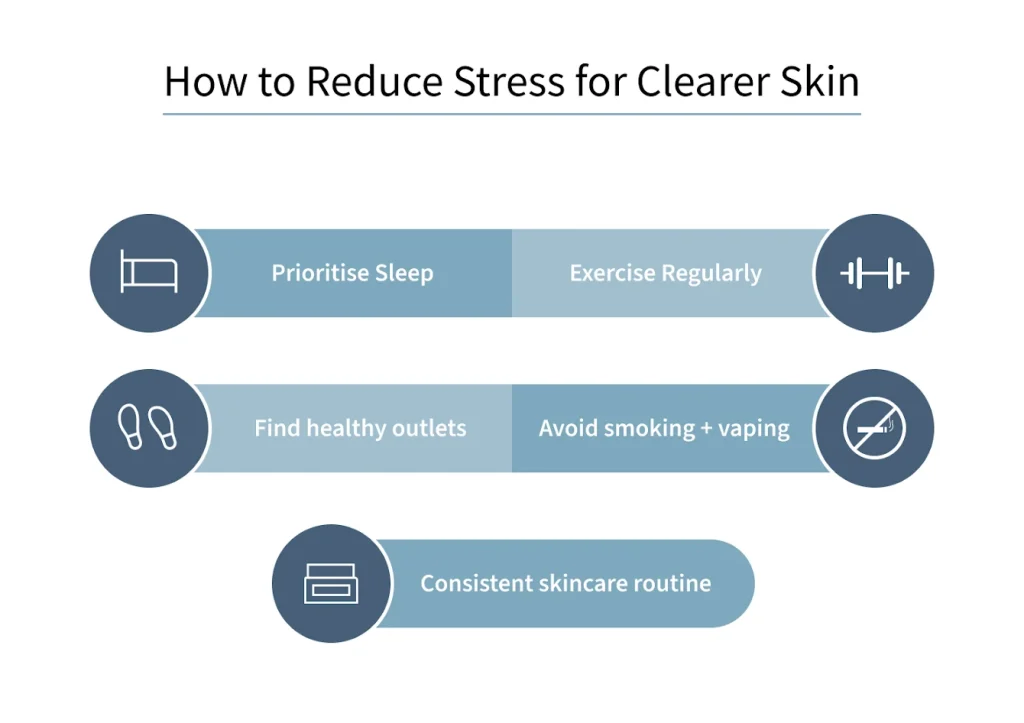
Managing stress is easier said than done, but there are practical approaches that help and support clearer skin:
- Prioritise sleep: poor sleep is one of the fastest ways to increase cortisol and worsen skin.
- Exercise regularly: it helps regulate stress hormones and supports the body’s natural detoxification.
- Find healthy outlets, whether that is walking, journalling, meditation, or social connection
- Avoid smoking and vaping: both increase oil production and slow down skin healing.
- Maintain a consistent skincare routine: a simple and reliable routine reduces skin flares during stressful times
What Can Thames Skin Clinic Do to Help With Acne?
Addressing diet and stress is a brilliant foundation, but sometimes lifestyle changes alone are not enough to clear persistent or severe acne.
At Thames Skin Clinic, we are an award-winning skin clinic specialising in acne treatments in Twickenham and South London. Dr Anna Hemming, a medical doctor and winner of Best Medical Practitioner (Best Doctor, Dentist & Surgeon category) at the Aesthetics Awards 2026, creates completely personalised acne treatment programmes for each patient.
Depending on your type of acne and your skin, your plan may include:
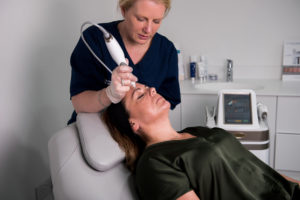
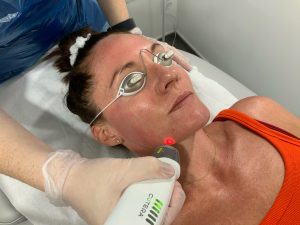
- AviClear: the world’s first FDA-approved laser treatment for acne. AviClear targets the sebaceous glands directly, reducing oil production at the source.
- ZO Skin Health active acne plans: medical-grade skincare to regulate oil, clear congestion and support skin health
- HydraFacial: deep cleansing and hydration to clear blocked pores
- Chemical peels: to exfoliate, reduce bacteria and improve acne scarring
- LED Phototherapy and Laser Genesis: to reduce acne bacteria and redness
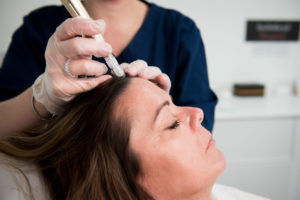
- Microneedling and Secret Pro CO₂ laser: for acne scarring and texture improvement
Alongside these in-clinic treatments, we can support diet, stress and lifestyle advice. Combining that knowledge with the right clinical support can make a significant difference.
If you would like to book a consultation with the team at Thames Skin Clinic, you can get in touch here or book online.
FAQS
How Long Does It Take for Diet Changes to Clear Acne?
Acne takes time to develop, and it takes time to improve. It can take one to two months for breakouts to appear after a dietary trigger. Equally, if you clean up your diet and reduce stress, you may not see improvements in your skin for two to three months. Consistency is what makes the difference here. Short-term dietary changes do not produce lasting results.
Do Protein Supplements Affect Acne?
Yes, protein powder and supplements can affect acne. Whey and casein protein both raise IGF-1 levels significantly, and many gym-goers consume large quantities of them daily.
Alternatives worth trying include:
- Plant-based protein powders
- Soy protein
- Egg whites
- Organic meat (conventionally farmed meat can contain hormones that may increase acne risk)