


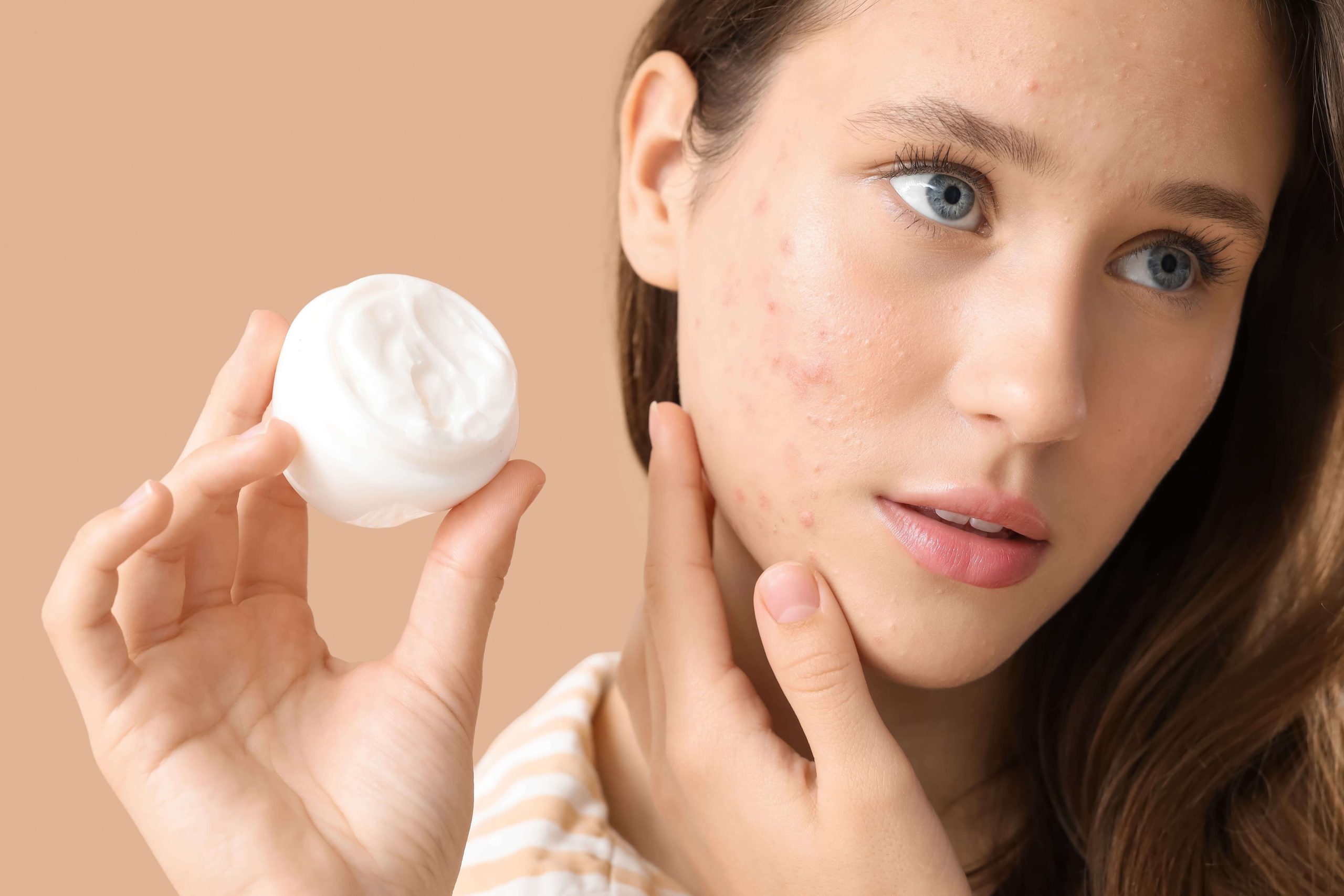
Could your skincare routine be making acne worse? In some cases, yes. Certain ingredients can irritate the skin barrier, clog pores or increase inflammation, all of which may contribute to breakouts in acne prone skin.
At Thames Skin Clinic in Twickenham, we often see patients who are using products that seem suitable at first glance but are actually too harsh, too rich or too irritating for their skin type. If you are struggling with breakouts, it is worth reviewing both your skincare ingredients and your overall routine.
Why Some Skincare Products Can Make Acne Worse
Acne is caused by a combination of blocked hair follicles, excess sebum production and inflammation. When skincare products contain ingredients that irritate the skin or disrupt the skin barrier, they can aggravate these underlying causes.
This is particularly relevant for people with persistent breakouts, adult acne or acne-prone skin that reacts easily to new products. In many cases, the issue is not just one product, but a routine that is too aggressive, too heavy or not suited to the skin’s needs.
Skincare Ingredients to Avoid for Acne-Prone Skin
1. Synthetic Fragrance
Synthetic fragrance, often listed as fragrance or parfum, is one of the most common skincare ingredients to avoid for acne-prone skin. It can irritate sensitive skin, increase inflammation and weaken the skin barrier.
When the skin barrier is compromised, the skin may become more reactive and more prone to congestion. If you are checking labels, look for fragrance, parfum or fragrance complex.
2. Essential Oils
Essential oils are often used to give skincare products a natural scent, but they are not always suitable for acne-prone skin. Some can feel heavy on the skin or increase irritation, especially if your skin is already inflamed or congestion-prone.
While some people tolerate them well, it is often best to be cautious if you have oily, sensitive or breakout-prone skin.
3. Harsh Cleansing Agents
Some cleansers and shampoos contain strong cleansing agents such as sodium lauryl sulphate (SLS), which can strip the skin barrier. This may leave the skin feeling tight or dry, which can lead to rebound oil production and make acne harder to manage.
If your skin feels squeaky clean, uncomfortable or stripped after cleansing, the product may be too harsh for regular use.
4. Isopropyl Palmitate
Isopropyl palmitate is a comedogenic ingredient, which means it can clog pores in some people. It is sometimes used to help products feel smoother or spread more easily, but for acne-prone skin it may not be the best choice.
If you are prone to blocked pores or cystic spots, it is worth checking whether this ingredient appears in your moisturiser, sunscreen or makeup.
5. Drying Alcohols
Not all alcohols are the same, but certain drying alcohols such as denatured alcohol, alcohol denat., ethanol, SD alcohol 40 and isopropyl alcohol can be too harsh for acne-prone skin. These ingredients can strip the skin barrier, increase dryness and encourage rebound oil production.
If a product leaves your skin stinging, tight or uncomfortable, it may contain alcohols that are not helping your skin.
6. Abrasive Scrubs and Salt-Based Exfoliants
Physical scrubs and salt-based exfoliants can irritate inflamed acne, especially if you already have tender spots or cystic breakouts. They may temporarily make skin feel smoother, but they can also create friction and worsen redness or inflammation.
For acne-prone skin, a gentler exfoliation approach is usually a better option than harsh scrubbing.
7. Overly Rich or Occlusive Formulas
Some acne-prone skin types struggle with very rich creams or layered routines that feel heavy on the skin. This does not mean barrier-supportive ingredients are bad. It simply means that too many thick or occlusive products at once can sometimes contribute to congestion.
The goal is to find the right balance between hydration and texture for your specific skin type.
Hidden Triggers in Everyday Products
Skincare is not just about your cleanser and moisturiser. Hair products, makeup, sunscreen and even body care can sometimes contribute to congestion if they contain heavy oils, fragrance or other irritating ingredients.
If you notice breakouts around your hairline, jawline, neck or back, it may be worth looking at the products that regularly come into contact with those areas. Styling products, rich conditioners and heavier cosmetics are common hidden triggers.
How to Tell If a Skincare Product Is Not Suited to Your Skin
If your skin becomes more congested after starting a new product, it may be reacting to the formula. Common signs include stinging, tightness, increased redness, extra shine, blocked pores or new breakouts in areas that were previously clear.
It is often helpful to introduce new products one at a time so you can identify anything that causes a reaction. This also makes it easier to build a skincare routine for acne-prone skin that is more predictable and easier to manage.
What Can Acne-Prone Skin Benefit From?
A good skincare routine for acne-prone skin should support the skin barrier, reduce congestion and avoid unnecessary irritation. In general, this means using a gentle cleanser, a lightweight moisturiser and targeted active ingredients selected for your skin type.
Professional skincare can be very helpful when chosen correctly. At Thames Skin Clinic, we use medical-grade skincare, including ZO Skin Health, as part of personalised acne treatment plans. The key is selecting the right products for the individual, because even within the same range, different formulations suit different skin types.
How Thames Skin Clinic Can Help
At Thames Skin Clinic, we are a CQC-registered, doctor-led medical aesthetic clinic in Twickenham, South West London. We specialise in acne and acne scarring treatments for all ages and acne types, including teen acne, hormonal acne, cystic acne and acne linked to diet or stress.
Dr Anna Hemming, founder of Thames Skin Clinic and winner of the 2026 Best Medical Practitioner (Doctor, Dentist or Surgeon) at the Aesthetics Awards, creates personalised acne treatment plans for each patient. These may include a skincare regime for acne-prone skin, along with in-clinic treatments where needed.
Depending on your skin, your plan may include:
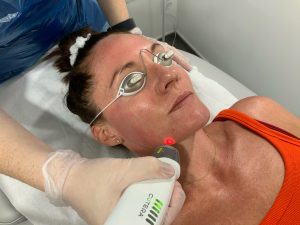
- AviClear: a laser treatment designed for acne management.
- Medical-grade skincare: selected to support acne-prone skin at home.
- HydraFacial: for deep cleansing and congestion removal.
- Chemical peels: for targeted exfoliation without harsh physical scrubbing.
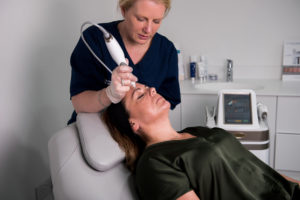
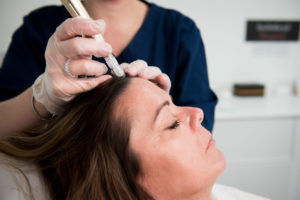
- Microneedling and LED phototherapy: often used for acne scarring and skin recovery.
When to Book a Consultation
If you are struggling with breakouts, the first step is finding out what may be triggering them. Sometimes the issue is not one product, but a combination of ingredients and routines that are not right for your skin.
Booking a consultation can help identify whether your current skincare routine is helping or hindering your acne. With the right guidance, it is possible to build a plan that supports clearer, calmer skin over time.ht in-clinic treatment. Book an acne consultation with Dr Anna Hemming to find out exactly what is causing your breakouts and the best way to treat them.