


There is a link between menopause and rosacea due to the hormonal changes that take place, which can make the condition more noticeable or trigger flare-ups.
We will discuss how menopause and hormonal changes influence rosacea and how to recognise the signs early.
What Happens to Skin During Menopause
Menopause affects every organ system in your body, and your skin is definitely not the exception.
As the largest organ of your body, your skin is affected by the lack of hormones during perimenopause and menopause. Your hormones help maintain your skin’s natural hydration mechanisms, so when levels fall, this can lead to dry, itchy and sore skin.
Two key hormonal changes have a direct impact on the skin.
- Lower oestrogen levels
- Reduced collagen production
Hormonal changes during this stage of life can also lead to other skin concerns. During perimenopause and menopause, women can suffer from:
- Hormonal acne
- Skin discolouration
- Unusual hair distribution and hair growth throughout their body
- Rosacea.
What is Rosacea?
Rosacea is an inflammatory skin condition in which your skin, particularly your cheeks and nose, becomes extremely red and inflamed.
Common markers or indications that you have rosacea include visible blood vessels, tiny bumps, and sometimes bumps that are filled with fluid. You may also notice general skin thickening around this area of your face.
Can Menopause Cause Rosacea?
Rosacea is most commonly seen in women between the ages of around 30 and 60, which overlaps with the years when women enter perimenopause and menopause. Hormone changes from menopause make the skin more reactive and prone to inflammation, which can contribute to rosacea either developing or worsening. For that reason, there is a link between rosacea and menopause.
However, hormone levels are not the sole cause or trigger of rosacea symptoms. For many women, rosacea develops before menopause. We know that certain factors can make you more predisposed to rosacea, particularly having fair skin and genetic factors. If your parents have rosacea, there is a higher chance that you may develop it as well.
Another reason rosacea can become more obvious at this stage of life is the presence of menopausal symptoms such as hot flushes. These sudden bursts of heat cause blood vessels in the face to dilate, which can trigger or worsen facial redness.
What is the Difference Between Rosacea Flushing and Menopausal Hot Flushes?
It’s also important to recognise the difference between rosacea flushing and menopausal hot flushes. Rosacea flushes usually affect the central face, including the nose, cheeks and chin. Hot menopausal flushes tend to create a more general feeling of heat that spreads across the body rather than remaining concentrated in one area.
Why Hormonal Changes Can Trigger Rosacea
Hormonal changes during perimenopause and menopause can make rosacea more noticeable or cause flare-ups in people who already have the condition.
Several factors explain why rosacea often becomes worse during menopause.
Increased skin sensitivity
As oestrogen levels decline, the skin’s protective barrier becomes weaker. This makes the skin more sensitive to everyday triggers such as heat, sunlight and certain skincare products.
When the skin barrier is compromised, inflammation develops more easily, which can lead to redness and rosacea flare-ups.
Changes in blood vessels
Hormones also affect how blood vessels behave in the skin. Lower oestrogen levels can make facial blood vessels more reactive, causing them to dilate.
When these vessels widen, more blood flows to the surface of the skin. This creates the persistent redness and flushing commonly associated with rosacea.
Hot flushes
Hot flushes are one of the most common menopausal symptoms and can make rosacea worse.
During a hot flush, body temperature rises suddenly and blood vessels widen to release heat. This increase in blood flow can intensify facial redness and trigger rosacea flare-ups.
Stress and anxiety
Stress and anxiety are also common during menopause. These can increase inflammation in the body and trigger flare-ups in people with rosacea.
For many women, a combination of hot flushes, stress and increased skin sensitivity explains why rosacea symptoms appear or worsen during midlife.
Common Rosacea Symptoms Linked to Hormonal Changes
Rosacea symptoms can vary from person to person, but there are several signs that commonly appear during hormonal changes.
Common symptoms include:
Persistent facial redness: often across the cheeks and nose
Frequent flushing: sudden episodes of redness or warmth in the face
Visible blood vessels: small thread veins appearing close to the surface of the skin
Small red bumps or spots: sometimes mistaken for acne
Skin sensitivity: burning, stinging or irritation
Skin thickening: which can develop in more advanced cases
Some people also notice that certain triggers make symptoms worse.
Common rosacea triggers include:
- hot drinks
- spicy foods
- alcohol, especially red wine
- extreme temperatures
- wind or sun exposure
- stress and anxiety
Because rosacea can look similar to acne or general redness, many people do not realise they have the condition at first. Getting professional advice early can help prevent symptoms becoming more severe.
How to Manage Rosacea During Menopause
Although rosacea can feel difficult to manage, there are effective ways to keep symptoms under control during menopause.
Identify and avoid triggers
Many people find that certain lifestyle factors trigger flare-ups. Common triggers include alcohol, spicy foods, extreme temperatures and emotional stress.
Understanding your personal triggers can help reduce flare-ups and keep symptoms under control.
Protect your skin from the sun
Sun exposure is a well-known rosacea trigger. Daily sunscreen helps protect the skin and reduces the risk of redness and irritation.
A gentle broad-spectrum SPF should be part of your everyday skincare routine.
Use gentle skincare
During menopause, skin often becomes more sensitive. Using simple, gentle products can help protect the skin barrier.
Helpful skincare habits include:
- choosing fragrance-free products
- using mild cleansers
- avoiding harsh exfoliants
- washing the face with lukewarm water rather than hot water
Read our article to learn more about building a gentle skin routine to reduce rosacea flare-ups.
Seek professional treatment
If rosacea symptoms persist or worsen, it’s best to seek out professional advice. Dermatologists and skin specialists can recommend treatments that reduce redness and inflammation.
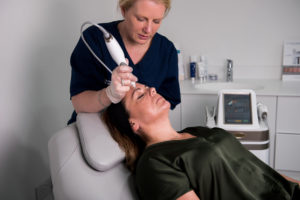
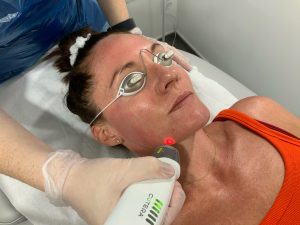
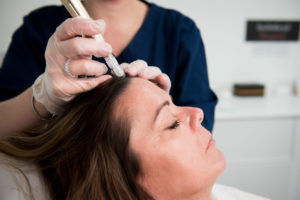
These may include prescription skincare, desensitisation treatments or advanced laser treatments that target visible blood vessels.
Managing Menopause Rosacea at Thames Skin Clinic
Rosacea during menopause can feel frustrating, particularly when your skin suddenly becomes more sensitive, reactive and prone to redness.
At Thames Skin Clinic in Twickenham, patients benefit from a doctor-led approach to skin health. The clinic is led by Dr Anna Hemming, an experienced medical doctor with more than two decades of clinical experience and a speciality in rosacea treatments.
Rosacea can present in several different ways, which is why treatment needs to be tailored to the individual. At Thames Skin Clinic, treatment plans combine medical-grade skincare, lifestyle guidance and advanced technology to help calm inflammation.
If menopausal changes have left your skin feeling more reactive or prone to redness, book a consultation at Thames Skin Clinic.