


April is Rosacea Awareness Month, so let’s explore the intricacies of this common yet often challenging skin condition, delving into the causes, symptoms and available treatments to help you better understand and manage rosacea.
What is Rosacea?
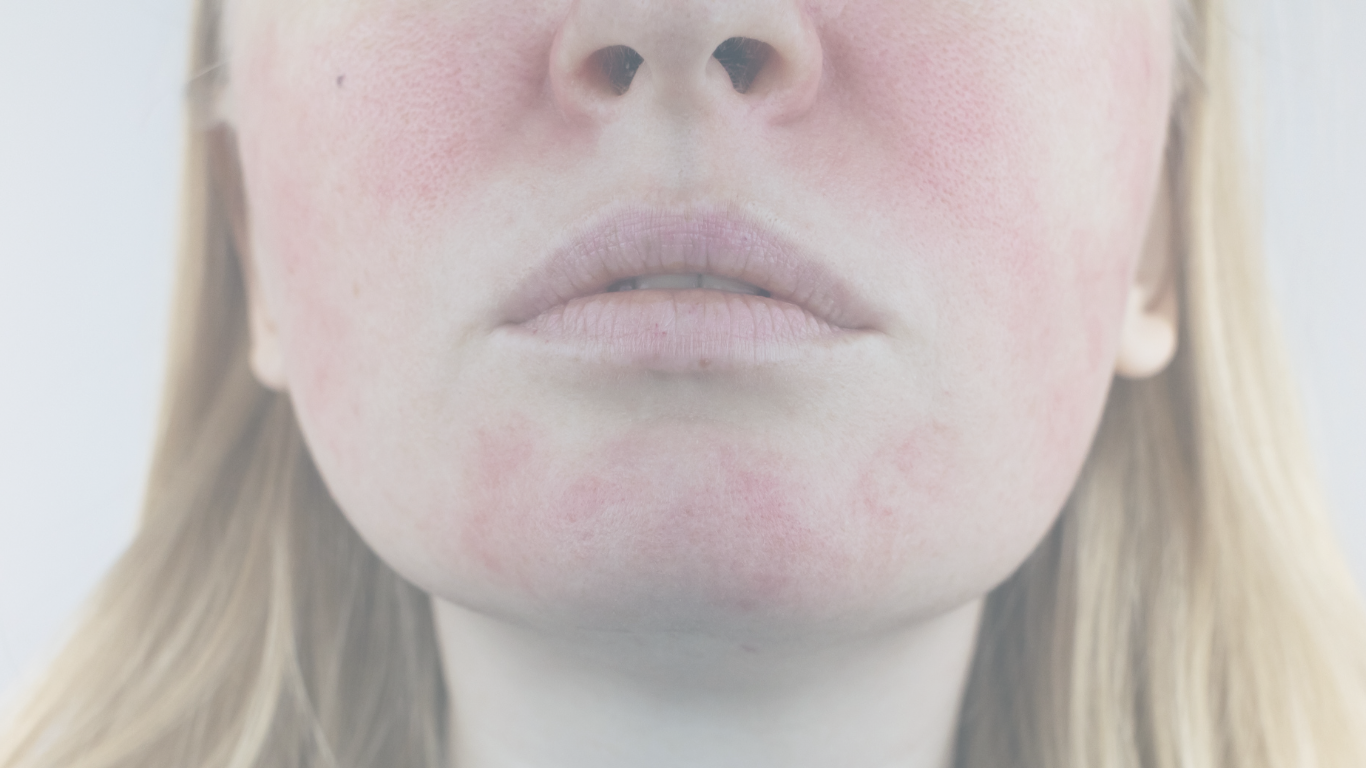
Rosacea is more than just having rosy cheeks now and again. While occasional flushing can be normal, rosacea is a long-term skin condition that is characterised by redness, dilated blood vessels and stinging sensations. In some cases, the presence of spots and sebaceous gland hyperplasia, which involves enlarged oil glands.
The cause of this skin condition remains elusive, but factors such as genetics, the immune system and environmental elements play significant roles. Triggers can lead to rosacea flare-ups, which include:
- sun exposure
- alcohol
- caffeine consumption
- Diet
- stress
- Spicy foods
- Exercise
Reducing exposure to your personal triggers can significantly improve flushing and help calm the skin. This is a key part of managing rosacea day to day.
Are There Different Types of Rosacea?
Yes, there are several subtypes of rosacea. Here is a short summary to understand them briefly:
- Papules and pustules: acne-like bumps that may appear in clusters
- Flushing: frequent and prolonged redness, often more noticeable in lighter skin
- Telangiectasia: visible, dilated blood vessels
- Ocular rosacea: symptoms affecting the eyes, such as redness, irritation, or crusting
- Skin thickening: particularly around the nose in more severe cases
The exact cause of rosacea is complex. Genetics play a role, but they don’t guarantee you’ll develop it. There are also links with hormonal changes from menopause, gut health and multiple triggers that influence severity.
This is why at Thames Skin Clinic, we take a holistic approach towards rosacea treatment, looking at emotional health, lifestyle, diet and medical treatment together.
Rosacea in the UK: Facts and Figures
Rosacea is far more common than many people realise. 1 in 10 people in the UK are affected by rosacea, which is why rosacea awareness is important.
- Rosacea affects 1.65 per 1,000 people per year in the UK, based on a study of over 60,000 GP-recorded cases.
- Women account for 61.5% of diagnoses, though rosacea affects all genders.
- 80% of UK cases are diagnosed after the age of 30.
- Fair-skinned people are most commonly affected, putting many in the UK at higher risk.
- Over 20% of rosacea sufferers experience ocular (eye-related) symptoms.
- Men tend to develop more severe forms, particularly phymatous rosacea, which causes skin thickening.
- People with rosacea are more than twice as likely to experience depression and anxiety.
- Globally, 54% of rosacea sufferers report fatigue, and 50% have difficulty sleeping.
These facts are a reminder that rosacea’s effects extend well beyond the skin.
Rosacea and Mental Health
Rosacea isn’t just about the skin. Rosacea Awareness Month is also an opportunity to highlight the emotional and psychological effects of the condition, which can be just as significant as the physical symptoms but are far less often discussed.
Stress, mental health and rosacea are closely linked, and many people find themselves caught in a difficult cycle. Flare-ups cause stress, stress worsens the flare-up, discomfort affects sleep, lack of sleep increases stress – and so it continues. It goes both ways: mental health struggles can worsen rosacea, and rosacea can worsen mental health.
This doesn’t mean controlling stress and mental health cures rosacea, but it can be a key part of managing it.
Helpful approaches include:
- Therapy or counselling
- Mindfulness and meditation
- Yoga and breathing exercises
- Journaling
- Support groups
Taking care of your emotional wellbeing is just as important as treating your skin.
Breaking Down Rosacea Myths
Rosacea is one of the most misunderstood skin conditions, often just simplified to ‘sensitive skin’. Here are some of the most common misconceptions, set straight.
Myth: Rosacea is caused by drinking alcohol.
This is not entirely true. While alcohol can be a trigger that worsens flushing in some people, it does not cause rosacea. The condition is linked to genetics, immune system responses and environmental factors.
Myth: It’s just sensitive skin.
Rosacea is a chronic medical condition, not a passing phase of skin sensitivity. Without proper management, symptoms typically persist and often worsen over time.
Rosacea only affects older women.
While rosacea is more commonly diagnosed in women and tends to emerge from the age of 30 onwards, it affects people of all genders and ages. Rosacea can appear in teenagers, men and even young children and babies.
Myth: Rosacea only affects fair skin.
Rosacea is more prevalent in fair skin tones. However, it does occur across all skin tones. In darker skin, the redness may be less visible, which can make diagnosis more difficult and means it is more likely to go undetected and untreated for longer.
Myth: There’s nothing you can do about it.
This is simply not true, and it’s one of the most important myths to dispel during Rosacea Awareness Month. While there is currently no permanent cure, there is a great deal that can be done. With the right combination of trigger management, skincare and clinical treatments, many people with rosacea achieve significant and lasting improvement in their skin.
Navigating Solutions for Redness and Sensitivity
Thames Skin Clinic founder Dr Anna Hemming has been very vocal about her experience with rosacea. In fact, it’s one of the reasons she immersed herself in the world of medical aesthetics and, more specifically, skin transformation. Her first-hand experience with the condition allows her to lead her patients with empathy and genuine passion as they too learn to live with rosacea.
We say “live with” rosacea because, at present, there is no permanent cure. This is why it’s so important to manage skin health carefully to minimise flare-ups and provide relief from the discomfort associated with them.
It’s important to recognise that effective management requires a tailored approach that considers your individual triggers and the unique characteristics of your skin.
Available Treatments for Rosacea at Thames Skin Clinic
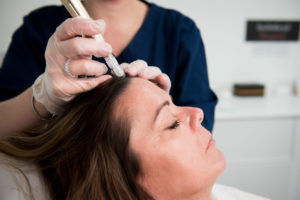
At Thames Skin Clinic, we offer a range of treatments designed to alleviate the symptoms of rosacea:
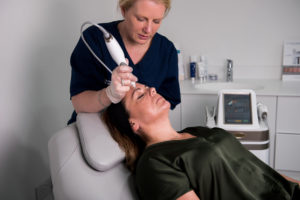
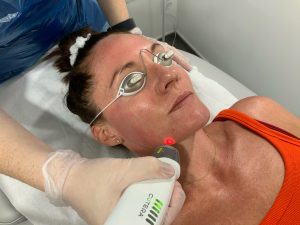
LED Phototherapy: Harnessing the power of light, LED phototherapy is known for its anti-inflammatory and healing properties. This treatment can aid in reducing redness and promoting overall skin health.
Excela V+: This advanced laser system is designed to target vascular and pigmented lesions, offering a potential solution for thread veins and redness associated with rosacea.
AviClear: As part of our comprehensive approach, AviClear may be recommended to support the management of rosacea symptoms. While results may vary, the treatment’s unique capabilities make it a promising addition to our arsenal.
It’s important to note that while AviClear shows promise, there is still ongoing research to establish its definitive effectiveness in easing rosacea symptoms.
Hydrafacial: This non-invasive treatment cleanses, exfoliates, and hydrates the skin, promoting a clearer and more radiant complexion. Hydrafacial can play a crucial role in managing rosacea symptoms.
To better understand how rosacea can be assessed and treated, read our article on Understanding Rosacea and How to Manage It.
Book Your Rosacea Management Consultation Today…
If you are dealing with rosacea and seeking relief, consider scheduling a consultation with our experienced professionals at Thames Skin Clinic.
Thames Skin Clinic is a CQC‑registered, doctor‑led medical aesthetic clinic in Twickenham, South West London, specialising in rosacea treatment. Dr Hemming not only has personal experience with rosacea but was also named the Best Medical Practitioner (Doctor, Dentist or Surgeon) at the Aesthetics Awards 2026.
We’ll work with you to understand your unique triggers, assess your skin condition and tailor a treatment plan that addresses your specific needs. This could include desensitisation treatments or a combination of Excel V+ vascular laser with medical skincare.
Managing rosacea involves a multifaceted approach that combines professional treatments with a personalised skincare regimen. At Thames Skin Clinic, our goal is to empower you to navigate the complexities of rosacea, providing effective solutions to enhance the health and appearance of your skin.
Book a rosacea consultation today and take the first step towards a more comfortable and confident you.
For tips on creating a gentle skincare routine that helps reduce rosacea flare-ups, see this detailed guide on building a calm, barrier-friendly regimen.