


Dr Anna Hemming explains why medical expertise should come before any aesthetic treatment.
Social media has transformed the aesthetics industry. Every day, we’re exposed to videos showcasing the latest injectable, laser treatment or skincare trend, often promising quick, dramatic results. But while treatments frequently take centre stage, far less attention is given to the expertise of the person delivering them.
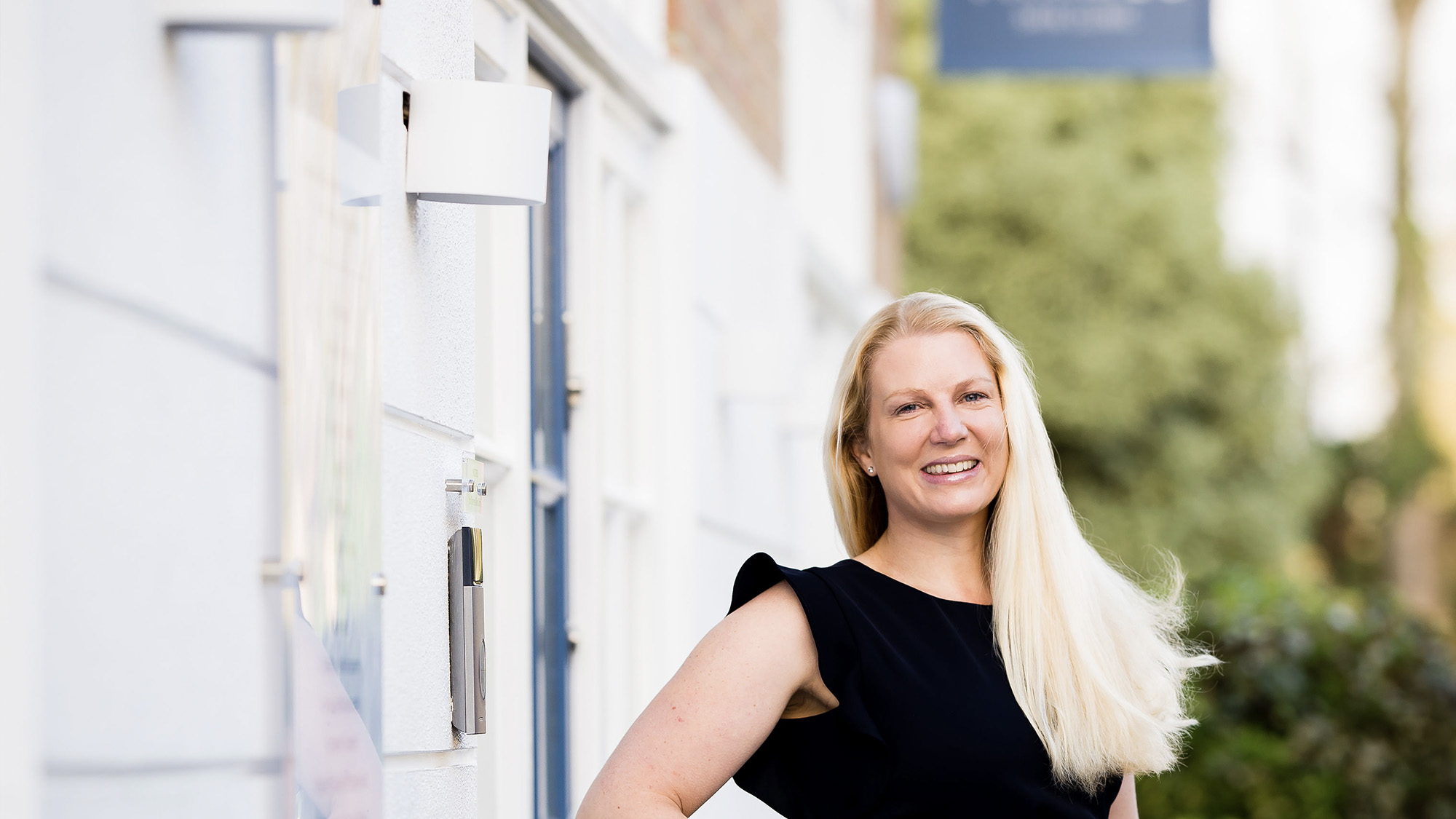
According to Dr Anna Hemming, Medical Director of Thames Skin Clinic, this focus on treatments has contributed to some common misconceptions about aesthetic medicine.
“One of the biggest misconceptions is that aesthetic treatment means looking fake or ‘done’,” she explains. “Good aesthetic medicine should never announce itself. It should restore, soften, support and refresh.”
With more than 20 years of medical and aesthetic experience, Dr Hemming believes exceptional results don’t begin with a syringe or a laser. They begin with medical knowledge, careful assessment and understanding the individual sitting in front of you.
Having practised medicine since 2002 and worked in medical aesthetics since 2008, Dr Hemming has become an internationally recognised speaker, Cutera Key Opinion Leader and one of the UK’s most recognised aesthetic doctors. Her expertise spans acne, rosacea, skin rejuvenation and regenerative treatments, but she believes every successful outcome starts in exactly the same way: with a thorough medical consultation.
Why medical expertise matters
When Dr Hemming established Thames Skin Clinic, she brought with her years of medical experience and a vision shaped by her work in medical aesthetics since 2008.
She recognised a gap between traditional medicine and aesthetic medicine, where patients were often being offered treatments without a thorough understanding of their skin, overall health or long-term goals.
“I wanted to create a clinic where medical standards sit at the heart of everything we do,” she explains.
“A place where patients feel properly assessed, listened to and cared for – not simply treated.”
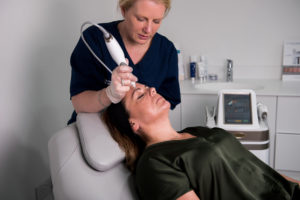
Being a doctor-led clinic means looking beyond the cosmetic concern that first brings a patient through the door. Every consultation considers skin health, anatomy, medical history, lifestyle, expectations and psychological wellbeing before any treatment recommendations are made.
For Dr Hemming, that’s what makes aesthetic medicine different when it’s approached from a medical perspective.
It’s never just about the treatment
One of the biggest differences a medical background brings is recognising that treatments are only one part of the solution.
As Dr Hemming puts it:
“Treatments are tools. Skin health is the foundation.”
Inflammation, pigmentation, acne, rosacea, scarring, sun damage, hormones, lifestyle and the skin barrier can all affect how the skin behaves and responds to treatment.
“If we only focus on treatments, we can miss the bigger picture,” she explains.
A laser or injectable may improve one concern, but unless the underlying health of the skin is addressed, the results may never reach their full potential.
That’s why every treatment plan at Thames Skin Clinic is built around restoring skin health first, using a combination of medical-grade skincare, regenerative treatments, advanced technology and injectables only where appropriate.
The THAMES philosophy
At Thames Skin Clinic, every patient journey follows Dr Hemming’s THAMES philosophy. Rather than focusing on a single treatment, it provides a structured framework that ensures every recommendation is based on medical assessment and the individual needs of the patient.
T – Thorough Consultation
Every patient begins with a detailed consultation that explores their medical history, lifestyle and skin health. Where appropriate, acne severity is assessed using the Investigator’s Global Assessment (IGA) scoring system to create an accurate clinical picture before treatment begins.
H – Holistic Approach
Healthy skin is influenced by far more than what can be seen on the surface. Hormonal factors, diet, stress, sleep, medications and overall wellbeing are all considered when creating a personalised treatment plan.
A – Assessment
Progress is continually monitored throughout treatment. Regular reviews allow plans to be adjusted as the skin responds, ensuring patients receive the most appropriate care at every stage.
M – Medical Treatments
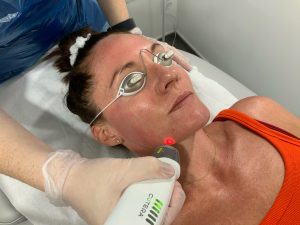
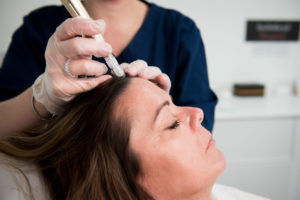
Treatment plans combine evidence-based technologies with medical-grade skincare. Depending on each patient’s needs, this may include prescription-strength ZO Skin Health programmes, HydraFacials, chemical peels, regenerative treatments and technologies such as AviClear.
E – Expectations Discussed
Patients receive honest advice about what to expect, including realistic timelines, expected improvements and temporary reactions such as the normal purging phase that can occur during some acne treatments.
S – Safety
As a CQC-registered, doctor-led clinic, patient safety underpins every decision. Treatments are only recommended when they are clinically appropriate and in the patient’s best interests.
“The consultation is the most important part of the journey,” says Dr Hemming. “It allows us to understand not only what’s happening with someone’s skin, but why it’s happening, so we can create a treatment plan that’s truly personalised.”
Knowing when not to treat
Perhaps one of the most overlooked aspects of aesthetic medicine is knowing when to say no.
Dr Hemming believes this is one of the greatest responsibilities of any medical practitioner.
“Patients want to know they’re in safe hands,” she says.
“They want natural results, honest advice and a plan that’s right for them as an individual.”
It’s not uncommon for Dr Hemming to recommend delaying treatment altogether.
Sometimes a damaged skin barrier needs repairing first. In other cases, skincare or laser treatment may produce a better outcome than injectables. Occasionally, a patient’s expectations simply aren’t realistic.
“A good consultation isn’t about saying yes to everything,” she explains. “It’s about creating the right plan.”
That willingness to prioritise patient wellbeing over providing treatment is something she believes defines truly medical aesthetics.
Confidence, not perfection
While dramatic before-and-after images often dominate social media, they’re rarely what Dr Hemming remembers most.
Instead, it’s the quieter transformations that stay with her.
“The patients who arrive having lost confidence because of acne, rosacea, pigmentation, scarring or changes that make them feel they no longer look like themselves.”
Seeing those same patients regain their confidence is what continues to motivate her.
“When someone comes back wearing less makeup, making eye contact again or simply telling you they finally feel comfortable in their own skin, that’s incredibly powerful.”
“For me, aesthetic medicine isn’t about vanity. It’s about confidence, identity and helping people feel well in themselves.”
Raising standards in a growing industry
The aesthetics industry has changed dramatically over the last decade.
Dr Hemming believes advances in regenerative medicine and energy-based technology have transformed what’s possible, allowing clinicians to treat redness, pigmentation, acne, scarring, collagen loss and skin quality with far greater precision than ever before.
Patients are also becoming more informed and increasingly seek natural-looking, long-term results.
However, rapid growth has also created new challenges.
“The industry has become more crowded and more commercial,” she explains.
“That makes medical standards, regulation, training and patient education even more important.”
Dr Hemming’s commitment to raising standards has been recognised throughout the aesthetics industry. She was named Medical Aesthetic Practitioner of the Year at The Aesthetics Awards 2026 and previously won Aesthetic Practitioner of the Year (Doctor) at the Aesthetic Medicine Awards 2025. She has also received Best Injectable Results at The Aesthetics Awards 2025, the Women in Aesthetics Empowerment Award 2026, Best Clinic South UK at the Safety in Beauty Awards 2024 and a Lifetime Achievement Award from Cutera in recognition of her work treating acne, rosacea and scarring.
Alongside treating patients, she is an internationally recognised speaker and Key Opinion Leader for both Cutera and ZO Skin Health, helping to educate clinicians on best practice and advances in aesthetic medicine.
For Dr Hemming, choosing a clinic should never be based solely on price, convenience or the latest treatment trend. The expertise of the practitioner remains the single most important factor.
Choose your practitioner before your treatment
If there is one message Dr Hemming hopes every prospective patient takes away, it’s this:
Choose your practitioner before you choose your treatment.
Rather than deciding on a filler, laser or injectable after seeing it online, she encourages patients to start with a comprehensive consultation.
“The best aesthetic results come from careful assessment, honest advice and a long-term plan.”
“When treatment is done well, you should still look like yourself – just healthier, fresher and more confident.”
Because ultimately, the difference a medical background makes isn’t simply the treatments a practitioner offers. It’s the judgement to understand what each patient truly needs and, just as importantly, what they don’t.
Considering aesthetic treatment?
If you’re considering aesthetic treatment, begin with a medically led assessment rather than a particular procedure.
A consultation with Dr Anna Hemming and the Thames Skin Clinic team focuses on understanding your skin, your concerns and your long-term goals before any treatment is recommended. Every treatment plan is personalised, evidence based and designed to improve both skin health and confidence.
Book a consultation with Dr Anna Hemming and the Thames Skin Clinic team to receive a comprehensive medical assessment and a treatment plan tailored specifically to you.