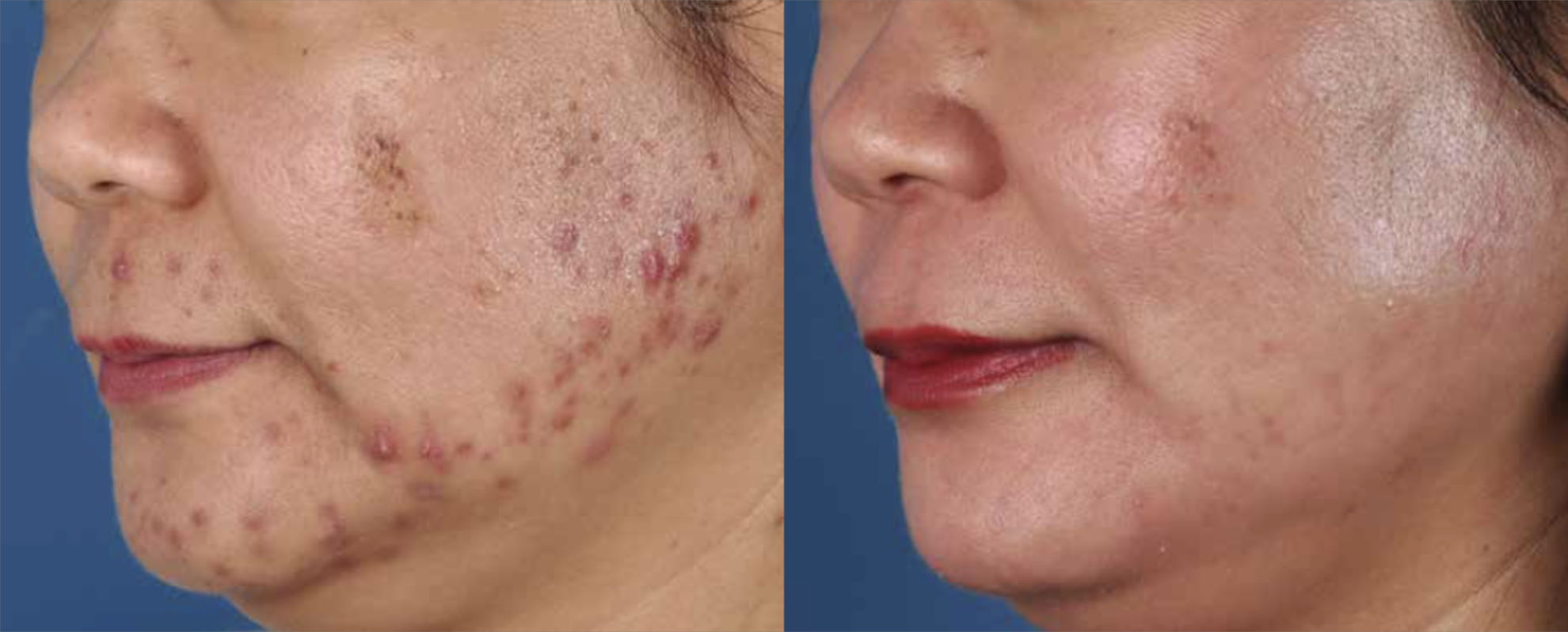
Acne is one of the most common skin conditions in the UK, affecting teenagers and adults alike, yet it is also one of the most misunderstood. Every form of acne has a different cause, pattern and solution. What works for one person may not work for another.
In this comprehensive guide to understanding and treating acne, we explore exactly what acne is, why it develops and how modern medical treatments can help achieve long-term clear skin. We’ll break down the science behind sebum, hormones and inflammation and outline the treatment options for acne.
Table of Contents
- What Is Acne?
- What Causes Acne?
- What Is Sebum and How Does It Cause Acne?
- What Does Acne Look Like?
- Different Types of Acne Spots
- Typical Areas Affected by Acne
- Who Can Get Acne?
- Acne in Teenagers
- Acne in Adults
- Different Types of Acne
- How to Treat Acne
- Best Treatment Combinations for Acne
- Skincare and Product Choices for Acne-Prone Skin
- Medical-Grade Skincare Plans
- What to Expect When Starting Acne Treatment
- How to Reduce Acne Flare-Ups
- What is the Psychological Impact of Acne?
- Acne Scarring prevention and treatments
What Is Acne?
Acne is a very common skin condition, causing blackheads and whiteheads (which are medically known as comedones) and pus-filled spots (which are called pustules). Acne breakouts develop when pores become blocked and inflamed, leading to visible blemishes on the skin.
According to a study published in the British Journal of Dermatology, around 14.65% of adolescents and young people in the UK have been diagnosed with acne. This number continues to rise and may be linked to modern lifestyle factors such as diet, stress and obesity.
There are many different types of acne, and each person can experience it differently. Some people may only develop occasional blackheads or small spots, while others may struggle with multiple types of acne at the same time. Acne can range from a few spots on the face, neck, back and chest to more severe painful lumps under the skin.

What are Common Causes and Triggers of Acne?
Acne is commonly caused and triggered by a combination of three main factors that affect how your skin functions:
- Increased sebum production: The sebaceous glands produce excess oil due to hormonal stimulation. This is why acne is common during the teenage years, but it can continue into adulthood.
- Blocked hair follicles: Dead skin cells mix with oil and block the pores, forming blackheads and whiteheads. This can be made worse by certain hair and skincare products.
- Inflammation: Bacteria such as Propionibacterium acnes feed on sebum, triggering inflammation that leads to red, painful, swollen or pus-filled spots which can cause scarring.
Your pores become blocked by a build-up of dead skin cells and sebum, which forms the basis of an acne lesion. These usually start as whiteheads or blackheads, but when bacteria multiply and inflammation develops, they can progress into papules, pustules or deeper cysts.
Genetics and Acne
Genetics plays a role in the development of acne. Around 80% of acne is thought to be influenced by genetic factors, so having a family history of acne significantly increases your likelihood of developing it.
How do Hormonal Changes Cause Acne?
Hormonal fluctuations are one of the most powerful triggers of acne and they can occur:
- During puberty
- Around the menstrual cycle
- During pregnancy
- In conditions such as polycystic ovary syndrome (PCOS)
Hormonal acne is closely linked to the sebaceous glands. In acne-prone skin, these glands are unusually sensitive to normal hormone levels, causing them to produce excess oil.
Stress and Acne
Stress can worsen acne by affecting hormone levels and increasing inflammation in the body. This can lead to more frequent breakouts and make existing acne more severe or harder to control.
Can Certain Medications Cause Acne?
Yes. Certain medications are known to contribute to acne flare-ups, including:
- Some contraceptive pills or injections
- Steroid-based medications
- Hormone-containing supplements sometimes used by bodybuilders
- Medications prescribed for other medical conditions
Diet and Lifestyle Factors
Your diet can be an underlying cause of acne, although this varies from person to person. Research suggests that:
- High glycaemic index foods may increase inflammation and oil production.
- Dairy products can raise insulin-like growth factors, which stimulates sebum production.
- Sugary and highly processed foods may encourage skin cells to stick together, making your pores more likely to get blocked.
External and lifestyle triggers can also worsen acne spots, including:
- Heavy or pore-blocking skincare, makeup or hair products
- Thick oils or pomades near the hairline
- Tight clothing, helmets or hats that trap heat and sweat
- Air pollution and high humidity
- Friction or pressure on the skin
Not sure what’s triggering your acne? Contact our specialists to identify your personal triggers and plan the best solution.
What Is Sebum and How Does It Cause Acne?
To keep your hair and skin well lubricated, your body depends on sebaceous glands, which sit just under your skin. These glands secrete an oily substance called sebum, which coats your skin and hair to prevent them from drying out.
However, problems, such as acne, start when the body produces too much sebum. Excess oil can mix with dead skin cells that are not shed properly, causing them to stick together and block the pores. These blocked pores are the starting point of acne breakouts and are known as comedones, which appear as blackheads and whiteheads.
Bacteria that naturally exist on the skin, such as Cutibacterium acnes, flourish in the sebum in the blocked pores. This triggers inflammation, leading to redness, swelling and the formation of painful or pus-filled spots we typically see in acne symptoms.
What Does Acne Look Like?
Acne typically appears as a combination of oily skin, blackheads, whiteheads, red spots and pus-filled pimples. If it’s quite severe, then larger, deeper bumps called nodules or cysts may also develop. These can be painful, tender and sometimes feel warm to the touch.
If you scratch or pick at acne, it can leave scars or marks which may be raised, indented or discoloured. So, whilst it might be really irritating or annoying, try to avoid picking or scratching at it.
What are the Different Kinds of Spots Caused by Acne?
Depending on how blocked a pore is and whether inflammation is present, acne can show up in several different ways and types of spots:
- Whiteheads: Pores that are blocked and closed at the surface, appearing as small white or flesh-coloured bumps.
- Blackheads: Pores that are blocked but open at the surface, allowing the contents to oxidise and turn dark. This is not dirt.
- Papules: Small red, tender bumps that are inflamed and can be painful to touch.
- Pustules: Spots filled with pus, usually red at the base with a white or yellow centre.
- Nodules: Large, solid and painful lumps that form deep under the skin.
- Cysts: Deep, painful, pus-filled lumps beneath the surface of the skin. These are often the most severe type of acne and are more likely to cause scarring.
Typical Areas Affected by Acne
Acne is most commonly found on the face and forehead, especially in younger people. In adults, it is often seen on the lower face, such as the jawline and beard area. It can also appear on the chest, shoulders and back.
Who Can Get Acne?
Anyone can get acne. It can affect people at any stage of life, from newborns to adults, although it most commonly begins during the teenage years. For some, it may be just a few occasional spots on the face, neck, chest or back. For others, it can be more severe and long-lasting, sometimes leading to scarring and a real impact on confidence and self-esteem.
Many people expect acne to disappear in their early twenties, but this is not always the case. Acne can persist into adulthood or even develop for the first time later in life.
Acne in Teens
Teen acne is very common and caused mainly by the hormonal changes that happen during puberty, which increase oil (sebum) production. Testosterone is usually thought of as a male hormone, but we all produce it to a certain extent. The amount of testosterone in our bodies increases during puberty, especially for boys. This is why acne is more common in teenage boys than in teenage girls.
While teen acne is a normal part of growing up, that does not mean it is easy to deal with. It can affect confidence, self-image and mental wellbeing, especially during such an important stage of development.
Acne in Adults
Acne does not magically stop after your teenage years. In fact, studies show that around 11.5% of adults in the UK are currently affected by acne, making it more common than you may realise.
Adults often blame themselves when acne continues, thinking they must be doing something wrong with their skincare routine or diet. The truth is, adult acne is not a sign of poor hygiene, hormones are still a big influence. While hormonal changes are the main trigger for acne in teenagers, particularly boys, they also explain why adult acne is so common in women. Fluctuations linked to the menstrual cycle, pregnancy and other hormonal changes all stimulate the sebaceous glands to produce more oil.
What Are the Different Types of Acne?
Cystic acne
- Deep, painful, pus-filled spots that form under the surface of the skin
- Often very inflamed and slow to heal
- High risk of permanent scarring if not treated properly
- Usually needs professional treatment
Fungal acne (Pityrosporum folliculitis)
- Caused by an overgrowth of yeast in the hair follicles, not bacteria
- Appears as small, uniform spots that can be itchy and inflamed
- Common on the chest, back and forehead
- Often mistaken for regular acne but requires different treatment
Hormonal acne
- Linked to hormonal fluctuations that increase sebum production
- Most common in adults, especially women
- Often appears on the jawline, chin and lower face
- Can flare around the menstrual cycle or during pregnancy
Nodular acne
- Causes large, hard and painful lumps deep under the skin
- Often combined with inflamed surface spots
- Does not come to a head easily and can last for a long time
- Very high risk of scarring without early treatment

How to Treat Acne
When it comes to treating acne, there is no single solution to treat all the different subtypes of acne. Instead, to achieve the long-lasting acne solution you’re looking for, you need to start with a correct diagnosis and then follow a personalised treatment plan.
The aim of acne treatment is always to target the root causes of breakouts by reducing excess oil production, preventing the build-up of dead skin cells inside the pores and controlling inflammation. The best results are usually achieved with a combination of treatments rather than just one approach.
Topical treatments
These are applied directly to the skin and are usually the first line of treatment for mild to moderate acne. They come in the form of creams, gels and lotions and include:
- Benzoyl peroxide to reduce bacteria and inflammation
- Beta hydroxy acids that penetrate into pores.
- Alpha hydroxy acids that exfoliate the skin’s surface.
- Retinoids such as tretinoin, isotretinoin and adapalene, which help prevent blocked pores by increasing skin cell turnover
Using our professional topical treatment plans enables products to target the cells inside the skin.
Topical acne treatment focuses on oil control, decreasing keratinisation and managing skin cell turn over. This helps improve the health of the skin and reduces spot activity.
Skincare sets the skin up by getting it ready for treatment, followed by gentle treatment to repair the skin. It’s then followed by more active treatment products to target the skin concerns, reduce oils, skin cells blocking the skin and reducing the acne spots.
We recommend sunscreen protection after using active products in the day in order to help protect the skin as it is being treated.

Oral antibiotics
For moderate acne, doctors may prescribe oral antibiotics. These are often combined with topical treatments and usually taken for three to six months. Antibiotics can be helpful to reduce inflammation and over productive acne. However the symptoms can often return once the antibiotic is stopped as they do not treat the underlying problems.
Isotretinoin (Roaccutane)
Isotretinoin is a powerful medication used for severe or persistent acne. It can produce dramatic results but also carries potential serious side effects. It must be prescribed and monitored closely by a dermatologist.
Advanced Acne Treatment: AviClear
AviClear is a groundbreaking laser treatment for treating acne. It’s the only laser technology that directly targets and is absorbed by sebum within the oil glands. By doing this, it gradually regulates oil production at the source.
Key benefits of AviClear:
- Course of 3 treatments spaced one month apart
- Reduces oil production over 6 to 12 months
- Effective on all skin types
- Minimal discomfort and no downtime
- No blood tests required
- No systemic side effects
- No impact on mental health
- No contraception requirements
Two-year clinical studies show that AviClear is highly effective at treating acne, congestion and even pustular rosacea. It has demonstrated comparable, and in many cases, superior long-term results to oral isotretinoin without the associated risks and side effects. This treatment should be prescribed and is part of our acne programme. We use topical treatments to look after the skin immediately along with nutraceutical Skinade Clear and a hydrafacial.
Combination treatments ensure the skin is ready and allows the AviClear laser to enter the oil gland where its action reduces oil production over the following months.
Combination treatment also helps the skin at the present time and through any purges between aviclear treatments.
After treatment, acne reduction occurs gradually over 2 to 9 months as the sebaceous glands become less active. Long-term results have been shown to last beyond two years, which is the same benchmark used to assess oral isotretinoin success.
AviClear is rapidly becoming the gold standard for long-term acne management. Learn more about the revolutionary AviClear laser acne treatment in our article: Discover Aviclear: The New Treatment Revolutionising Acne Care
What Is the Best Treatment Combination for Acne?
For moderate to severe acne, the most effective results come from combining:
- AviClear laser treatment
- Personalised topical treatment plans
- HydraFacial or HydraRadiance treatments
This combination works on multiple levels:
- AviClear targets oil production deep within the sebaceous glands.
- Topical treatments correct oil balance, reduce bacteria and protect the skin barrier.
- HydraFacial and HydraRadiance prepare the skin, deeply cleanse pores and improve product absorption.
- Laser Genesis helps reduce redness and assist in skin healing alongside AviClear. It treats acne bacteria, texture, redness, pigmentation and scarring gently.
Skincare & Products for Acne
No matter what treatment plan your doctor recommends, good skincare is a vital part of managing acne. The right products can support your treatment and protect your skin, while the wrong ones can block pores and make breakouts worse.
When choosing skincare, always look for products labelled “non-comedogenic” or “oil-free”. This means they are designed not to clog pores. This applies to everything you put on your face, including cleansers, moisturisers, sunscreens and makeup.
For acne-prone skin, keep your skincare routine simple and gentle:
- Wash your face once or twice daily using your hands and a mild, non-abrasive cleanser.
- Do not over-cleanse, as stripping the skin can trigger more oil production.
It can also help to be mindful of dietary triggers. Some people find that high glycaemic index foods or dairy products worsen their acne.
Medical-Grade Skincare Plans For Acne
Medical-grade skincare is designed to actively treat acne rather than simply cover it up. When used correctly, it can:
- Reduce oil production
- Unblock pores
- Calm inflammation
- Improve acne marks and skin texture
What to Expect When Starting Medical Skincare for Acne
It is very normal to experience reactivity when starting medical-grade acne treatments. This can include:
- Dryness
- Redness
- Mild flaking
- Sensitivity
This usually lasts between 2 and 8 weeks and is actually a sign that your skin is responding to treatment. With the right support products and a gradual introduction plan, your skin will adapt and become stronger.
This adjustment phase can feel challenging, but it is often the turning point where acne begins to improve long-term.
Start your personalised acne treatment plan today and book a consultation to get expert guidance.
What Else Can I Do to Help Reduce Acne Flare-Ups?
| Area | What to Do | Why It Helps |
| Hands & Picking | Avoid picking or squeezing spots. Avoid touching your face with your hands, hair or objects like your phone. | Reduces the risk of infection, inflammation and permanent scarring. |
| Emotional Support | Seek support if acne affects your confidence or causes distress. | Acne can impact mental wellbeing and support helps reduce stress-related acne flare-ups. |
| Cleansing | Use an oil-free, non-comedogenic cleanser as part of your skin health plan. | Keeps pores clear without stripping the skin or increasing oil production. |
| Hydration (Skincare) | Use oil-free, non-comedogenic hydrating and calming creams. | Keeps the skin barrier healthy and prevents excess sebum production caused by dryness. |
| Sun Protection | Use a broad-spectrum SPF 30–50 that is non-comedogenic with UVA, HEV and infrared protection. Wear hats, cover skin and seek shade. | Sun exposure can worsen acne and cause pigmentation. Sunscreen is essential, especially with active skincare. |
| Diet | Eat a balanced diet with fruits, vegetables, whole grains and lean protein. Limit high GI foods, sugars, ultra-processed foods, fizzy drinks and dairy. | Helps reduce inflammation and hormonal triggers linked to acne. |
| Hydration (Body) | Drink plenty of water throughout the day. | Supports overall skin health and hydration from within. |
| Skin Supplements | Skinade Original repairs skin health. Skinade Targeted Solution Clear delivers vitamin A to the skin. Use it for 90 days, then take a 14-day break. | Supports skin repair and acne control from within. |
| Stress Management | Practise stress-reducing activities such as yoga, meditation, exercise, hobbies and good sleep routines. | Stress is a known acne trigger and can worsen breakouts. |
What is the Psychological Impact of Acne?
Acne can have a significant impact on mental health, confidence, self-image and how people interact with the world. Many people with acne can suffer from anxiety, emotional distress, social avoidance and lowered self-esteem, even when their acne may seem mild to others.
Studies have found that people with acne are more likely to experience anxiety and depression compared with those without acne. One UK-based long-term study suggested that the risk of developing major depressive disorder was higher in people diagnosed with acne (18.5% vs 12.0% in the general population). Anxiety prevalence in acne patients has been reported to be as high as 68%, which just shows the strong link between skin health and emotional wellbeing.
Acne Scarring
Acne scarring is an after-effect of acne or inflamed blemishes. Some people are left with pigmentation (darker or lighter patches of skin) or textural changes from severe lesions. You have to treat your acne before you can actually treat acne scars. If active acne is still present, scar treatments will be limited in effectiveness and new scars may continue to form.
Types of Acne Scars
Acne scars are mainly divided into two categories:
- Pigment changes after inflammation
- True scars, which are structural changes in the skin
Post-Inflammatory Erythema
Post-inflammatory erythema are red marks left behind after acne heals. They are very common and usually appear immediately after a breakout.
- They are flat and not a true scar
- They fade on their own over time if acne is controlled
- They can last a few months
Post-Inflammatory Hyperpigmentation
Post-inflammatory hyperpigmentation are dark marks that remain after acne heals, more common in deeper skin tones.
- They can last 3–12 months or longer
- They are not true scars
- Sun exposure worsens them, so sunscreen is essential
Atrophic scars (sunken scars)
Atrophic scars are the most common type of acne scarring and include:
- Ice pick scars – deep and narrow scars that look like small puncture marks
- Boxcar scars – wider depressions with defined edges
- Rolling scars – shallow scars that create an uneven, wave-like texture
Hypertrophic scars (raised scars)
Hypertrophic scars form when the skin produces too much collagen during healing, creating thickened or raised areas.
Can Acne Scars Be Prevented and Treated?
In many cases, yes acne scars can be prevented and treated. Acne scars form when inflammation from blemishes damages the deeper layers of the skin. This is why the earlier acne is treated, the lower the risk of scarring. Acne is far easier to control than scarring, and once scars develop they become much more complex to treat.
Key prevention strategies for acne scarring include:
Treat active acne early and consistently
Medical-grade skincare and in-clinic treatments reduce inflammation and prevent deep damage.
Avoid picking or squeezing spots
This significantly increases the risk of permanent scarring and pigmentation.
Use daily SPF
Sun exposure worsens pigmentation and slows scar healing. Broad-spectrum SPF is essential, especially when using active treatments.
Control inflammation
Reducing redness and irritation limits damage to deeper skin layers.
Follow a professional skin health plan
Using the right products for your skin type helps regulate oil, cell turnover and healing, preventing acne scars.
Acne Scar Treatments
Once acne scarring is present, treatment depends on the type, depth and severity of the scars. Most true acne scars require professional treatments to stimulate collagen and resurface the skin, which could include laser treatments, microneedling and medical-grade skincare or a combination approach.
Common treatment pathways include:
- Microneedling and Microneedling + PRP: stimulates collagen production to improve sunken scars and skin texture. PRP enhances healing and results.
- Laser Resurfacing: targets deeper layers of the skin to remodel collagen and smooth scar depth. One of the most effective options for atrophic scarring.
- V+ Treatments: used to improve skin regeneration, texture and overall quality where scarring is present.
- Medical Chemical Peels: improves pigmentation, texture and mild acne scarring by increasing cell turnover and skin renewal.
Understanding and Treating Acne at Thames Skin Clinic
At Thames Skin Clinic, we are a leading acne clinic based in Twickenham in London. Our acne treatment programmes are formed around the science of skin health, targeting the root causes of acne in adults and teenagers.
All of our patients begin with a thorough consultation with Dr Anna Hemming to assess your individual’s skin type and acne severity and put together your personalised treatment plan.
Our approach combines medical-grade skincare, ZO Skin Health programmes, tailored in-clinic therapies and advanced laser acne treatments, such as AviClear. We also offer supportive treatments such as HydraFacial, Laser Genesis and chemical peels that help enhance your results.
Acne treatment is a process that requires time, consistency and professional guidance. As the skin renews itself in cycles of around 4 to 6 weeks, most patients require a structured treatment phase of approximately 6 to 8 months. This helps retrain the skin and achieve stable results.
Initial treatment may lead to increased skin sensitivity or “reactivity” as the skin adjusts. This is a recognised part of the healing process. Throughout this period, our clinical team provides ongoing support and adjustments so that your skin remains protected and your acne continues to reduce.
Beyond active acne management, our skin clinic can also address the visible effects left behind by acne, including redness, pigmentation and scarring, with personalised aftercare plans.
With award-winning medical expertise and patient-centred care, we offer a credible, science-led pathway to clearer skin and improved confidence. Contact us today to book your acne treatment consultation with our experienced medical team at Thames Skin Clinic today.
Explore Thames Skin Clinic’s full suite of acne solutions, from medical-grade skincare to advanced in-clinic technologies designed to improve skin health and reduce breakouts.