



Rosacea is a common inflammatory skin condition, but it’s often overlooked or misdiagnosed in people with darker skin tones. Because traditional descriptions focus on redness and flushing, rosacea is more frequently recognised in fair skin, where those symptoms are easier to see.
At Thames Skin Clinic, we understand that rosacea affects all skin tones, and the signs can look very different depending on melanin levels. Recognising these variations is key to accurate diagnosis and effective, inclusive care.
Why Rosacea Looks Different in Skin of Colour
In lighter skin types, rosacea is usually identified by visible redness or flushing. In medium to darker skin tones, those colour changes may appear more subtle or not red at all. Instead of pinkness, patients with darker skin tones may notice:
- Warmth or heat in the face without visible redness
- Brown, grey or purple discolouration rather than pink flushing
- Slight swelling or roughness in affected areas
- Hyperpigmentation after a flare-up, which can last long after inflammation settles
Because these changes don’t match the classic “red face” stereotype, many people with skin of colour are misdiagnosed with acne, eczema or allergic reactions, which delays effective treatment.
Types of Rosacea That May Appear in Darker Skin
All four main types of rosacea can affect skin of colour, but their features can be more difficult to spot:
- Erythematotelangiectatic (ETR): warmth, sensitivity, or subtle darkening across the cheeks and nose. Capillaries may look faintly brown or purple rather than red.
- Papulopustular rosacea: small bumps and pustules that resemble acne but tend to burn or sting.
- Phymatous rosacea: thickening of the skin, often around the nose, which can look textural rather than red.
- Ocular rosacea: eye redness, irritation or dryness, sometimes before facial symptoms appear.
Mixed forms of rosacea are common in people with darker skin tones too, for example, bumps with heat and sensitivity but minimal visible redness.
Common Misdiagnoses of Rosacea on Dark Skin and Why They Happen
Rosacea in darker skin is often mistaken for:
- Acne, because of the presence of papules and pustules
- Seborrhoeic dermatitis, due to flaking or scaling around the nose and mouth
- Post-inflammatory hyperpigmentation, where discolouration persists after inflammation
These overlaps highlight the importance of professional diagnosis by a medical practitioner trained to assess skin across all Fitzpatrick types (I–VI). At Thames Skin Clinic, this forms part of our THAMES Philosophy — ensuring a Thorough, Holistic Assessment for every patient, regardless of skin tone.
How to Recognise Rosacea in Skin of Colour
Even without visible redness, rosacea can still cause noticeable sensations and changes in texture in darker skin tones. Rosacea on black and brown skin can appear as:
- A burning or stinging sensation after washing the face
- Heat or warmth in the skin, especially after sun exposure, exercise, or spicy food
- Tiny bumps or pustules that persist for weeks
- Rough texture or a feeling of tightness
- Eye dryness or discomfort
- Dark marks or uneven tone following a flare-up
If these symptoms sound familiar, it’s worth arranging a professional skin consultation. Early intervention prevents long-term sensitivity, visible vessels, and uneven pigmentation.
Treatment and Management for Rosacea in Dark Skin Tones
The foundation of rosacea treatment is calming inflammation and strengthening the skin barrier, regardless of skin tone. However, treatment plans must consider pigment safety and sensitivity. At Thames Skin Clinic, we tailor rosacea care for every skin type using advanced medical technologies and carefully selected actives.
1. Desensitisation and Barrier Support
For the most reactive skin, we begin with a desensitisation phase using:
- Plant-based exosomes to reduce inflammation and support cell communication
- Redness-reducing serums such as ZO Rozatrol, targeting vascular reactivity
- Barrier-repair hydrators containing ceramides, niacinamide, or panthenol
This stage restores balance before any heat-based or active treatments are introduced.
2. Gentle Laser and Light Treatments
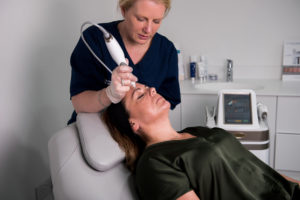
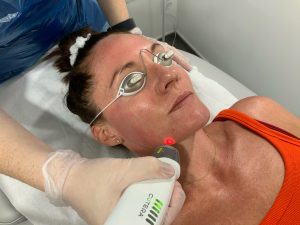
Laser therapy is effective for redness and vascular rosacea but requires expertise in darker skin to prevent post-inflammatory pigmentation. Our Excel V+ laser allows precise energy control, making it suitable for many Fitzpatrick types when used with caution. Laser Genesis is another gentle option, stimulating collagen and improving tone without downtime or pigment risk.
3. Medical and Skincare Support
- Topical anti-inflammatory treatments such as azelaic acid can help calm papulopustular rosacea.
- Prescription options may be recommended for persistent inflammation.
- Daily SPF 30+ (preferably mineral) protects against flare triggers and pigmentation.
Empowering Inclusive Skin Health at Thames Skin Clinic
Representation matters in skin health. People with darker skin often go undiagnosed for conditions like rosacea simply because the signs are harder to recognise.
At Thames Skin Clinic, we’re dedicated to offering inclusive, evidence-based care for every skin tone. This is guided by our values of being Confident, Exceptional, Genuine, Natural, Passionate, and Personal.
By understanding how rosacea presents differently in skin of colour, we help patients receive accurate diagnoses, safe treatments, and long-term results that restore both comfort and confidence. We operate from a CQC-registered practice in Twickenham in London. We can effectively diagnose and manage rosacea in brown skin and black skin. Book a consultation at Thames Skin Clinic today and receive expert, inclusive care that understands skin of colour.
To learn more about rosacea in general and how to control symptoms long-term, read our main resource on understanding rosacea and how to manage it.