Rosacea is a common but often misunderstood skin condition that causes redness, visible blood vessels, and sensitivity, especially across the cheeks, nose and chin. While there isn’t a permanent cure, a consistent, gentle skincare routine for rosacea can dramatically reduce flare-ups and restore calm, balanced skin.
In this article we will explain how to build a gentle skincare routine for rosacea, which includes using a gentle cleanser, barrier-supportive hydration and daily mineral SPF.
What are the Main Types of Rosacea and How Do They Affect My Skincare Routine?
At Thames Skin Clinic, we see many patients who have spent years trying to manage rosacea with the wrong products or routines. The key to a successful rosacea skincare routine is not doing more — it’s doing less, but with the right medical understanding and consistency.
There are several types of rosacea, each with different patterns and severities:
- Erythematotelangiectatic rosacea (ETR): primarily redness, flushing and visible vessels
- Papulopustular rosacea: inflammatory bumps and spots, often mistaken for acne
- Phymatous rosacea: thickened skin, commonly on the nose (rhinophyma)
- Ocular rosacea: affects the eyes, causing dryness, redness, or irritation
Many of our patients experience a mixed pattern, where these symptoms overlap.
Because rosacea varies so widely, there is no one-size-fits-all approach when it comes to skincare. We always recommend a gentle routine to every patient. However, those with more papulopustular or advanced inflammatory types of rosacea may require more active medical management, such as laser treatments, prescription skincare or anti-inflammatory therapies.
What is the Best Skincare Routine for Rosacea?
The best skincare routine for rosacea focuses on calming the skin barrier, reducing inflammation and avoiding irritation. A gentle approach suits all rosacea types because many ingredients can irritate sensitive skin and trigger a flare-up. We recommend avoiding skincare products that have irritants such as:
- Alcohol
- Fragrances
- Essential oils
- Harsh irritants such as glycollic acid
A dermatologist-recommended skincare routine for rosacea will include skincare ingredients such as:
- Ceramides
- Hyaluronic acid
- Niacinamide
- Azelaic Acid
Look for products that are non-comedogenic and made for sensitive skin.
1. Start with Calm Cleansing
Over-cleansing or using harsh ingredients can strip the skin’s protective barrier, leading to more redness and irritation. Your rosacea skincare routine should begin with a gentle cleanser. Look for:
- A mild, pH-balanced, non-foaming cleanser
- Fragrance-free and sulphate-free formulas
- Tepid water (never hot) to rinse
Avoid scrubs, exfoliating brushes or anything that creates friction on your skin. If your skin stings after cleansing, that means your barrier is compromised, so it’s best to switch immediately to a gentler option.
Our clinic’s favourite gentle cleansers for rosacea include:
- ZO Balancing Cleansing Emulsion
- ZO Gentle Cleanser
- ZO Calming Toner to clean without disrupting skin balance.
Cleanse your face up to twice a day and after sweating. Even when your skin feels irritated, cleansing will remove any oil or debris that can otherwise worsen your rosacea symptoms.
2. Rebuild and Protect Your Skin Barrier
Rosacea-prone skin is often inflamed because the barrier function (the layer that locks in moisture and keeps irritants out) is weakened. To build an effective skincare routine for rosacea, focus on barrier repair ingredients that soothe and hydrate. Barrier-repairing skincare ingredients for rosacea to look for include:
- Ceramides – help restore the lipid layer
- Niacinamide (Vitamin B3) – reduces redness and strengthens the skin
- Panthenol and Allantoin – calm irritation
- Azelaic Acid – reduces inflammation and uneven tone
Apply a lightweight, fragrance-free moisturiser morning and night. Think of this as daily therapy for your skin, not just hydration. Our go to products for supporting the skin barrier and desensitising rosacea are:
- Zo Skin Health Daily Power Defence and Rozatrol with its own redness-reducing polypeptides.
- Zo Skin Health Soothing Ointment and Renewal crème.
3. Protect Every Day with SPF
Sun exposure is one of the most common rosacea triggers. Even brief exposure can cause flushing, heat and broken vessels. The best sunscreens for rosacea are:
- Broad-spectrum SPF 30 or higher
- Mineral sunscreens (zinc oxide, titanium dioxide) – less likely to sting
- Non-comedogenic, fragrance-free formulas
Reapply your SPF every two hours if you’re spending time outdoors or after exercise. Even on cloudy days, UV exposure can trigger inflammation and rosacea symptoms. Our clinic’s favourite rosacea-friendly sunscreens include:
- ZO Broad Spectrum SPF 50 for sensitive or redness-prone skin,
- ZO Sunscreen + Primer SPF30
- ZO Daily Sheer
- ZO Sheer Fluid SPF 50s.
4. Be Careful with Active Ingredients
People often mistake rosacea for acne and reach for strong acids or retinoids. Unfortunately, these can inflame the skin further if not used under medical guidance. Avoid:
- High-strength exfoliating acids
- Harsh retinoids or over-the-counter acne products
- Physical scrubs or rough exfoliating tools
To use active skincare ingredients safely with rosacea, you need a controlled and gradual approach guided by a medical practitioner. We advise, that if you are thinking about introducing actives (for example, to address pigmentation or ageing), it’s best to consult a medical practitioner. They can tailor a slow-build approach suitable for sensitive skin.
Contrary to this advice, there are some skin types and rosacea concerns where actives are tolerated and enable a more rapid skin health restoration. Your doctor will be able to advise about the best plan for your skin.
5. Avoid Common Rosacea Triggers
While every person’s skin is unique, there are shared culprits that commonly cause rosacea flare-ups. Keeping a trigger diary can help you pinpoint your personal sensitivities. Typical triggers for rosacea include:
- Sun exposure
- Heat (including saunas and hot showers)
- Alcohol and spicy foods
- Sudden temperature changes
- Emotional stress
- Certain skincare ingredients (e.g., alcohol, menthol, witch hazel, or fragrance)
Combining your gentle skincare routine with lifestyle tweaks, such as using lukewarm water, avoiding facial steaming and choosing gentle fabrics, can make a significant difference.
Which Professional Treatments Help with Rosacea?
A medical assessment is invaluable if your redness is persistent or worsening and can guide you to a number of professional treatments that can help address your rosacea.
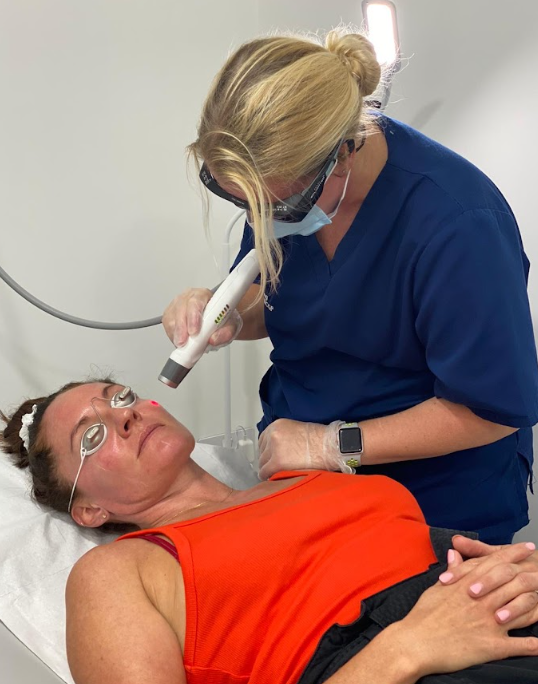
At Thames Skin Clinic, we consult using our Thames philosophy and we treat rosacea holistically — targeting both symptoms and triggers. Our most popular in-clinic rosacea treatments include:
- Excel V+ laser: treats redness, broken capillaries and flushing safely and effectively
- AviClear laser: helps acne-rosacea overlap by calming oil activity and inflammation. This 1726nm laser treatment is the cutting edge of laser science, reducing sebaceous gland activity, spots and congestion over time. Aviclear laser is best used with a professional skin health skincare plan.
- Laser Genesis: gentle heat-based rejuvenation that strengthens the skin’s resilience. We use a 532 nm laser (green genesis) to improve microvasculature, redness and strengthen the skin barrier. The 1064nm laser (genesis) is used to regenerate healthy skin, boost collagen formation and strengthen the skin.
- Prescription skincare: This includes anti-inflammatory and barrier-repair options.
- HydraFacial treatment: gently restores skin health and hydration by infusing Rozatrol peptides and antioxidants into the skin. We then use LED treatment for anti-inflammation and repair.
Combining professional dermatologist-approved care with a well-designed home routine produces longer-lasting calmness and confidence.
What is an Example of a Gentle Skincare Routine for Rosacea?
Morning rosacea skincare routine:
- Gentle Cleanser
- Calming Toner
- Barrier Serum (Niacinamide / Ceramide)
- Hydrating and calming products /
- SPF 30+ (Mineral)
Evening rosacea skincare routine:
- Evening
- Gentle Cleanser
- Calming Toner
- Barrier Serum
- Moisturiser
Consistency is more important than perfection when it comes to finding the best skincare routine for rosacea. Stick to the same products for at least 6 to 8 weeks before making changes.
When to Seek Professional Help for Roseca?
If you experience persistent redness, heat, or acne-like bumps that don’t respond to gentle skincare, it’s time to seek medical advice. Early treatment can prevent long-term redness, visible vessels and flare-ups of rosacea.
At Thames Skin Clinic, we are a doctor-led skin clinic based in Twickenham in London. Dr Anna Hemming is a fully qualified medical doctor who served as a GP at Buckingham Palace and is an expert in skin health. She has won countless awards, including the Best Medical Practitioner in the UK at the Aesthetic Medicine Awards 2025, and has suffered with rosacea herself, which motivated her to specialise in skin health.
Every rosacea journey at Thames begins with a Thorough, Holistic Assessment (part of our THAMES Philosophy) to identify your triggers, skin type and best treatment pathway.
We can help you build a skincare routine for rosacea that strengthens your skin barrier and avoids unnecessary stressors.
How We Manage Rosacea at Thames Skin Clinic
For the most inflamed and sensitive skin, we often begin with a desensitisation and recovery plan. This may include:
- Topical plant-based exosomes to calm cellular inflammation
- Redness-reducing serums that target the skin’s internal pathways
- Barrier-strengthening formulations that help restore resilience.
Once the skin barrier is calm and stable, we can then gradually introduce targeted treatments for redness, vascular visibility or inflammatory lesions. This ensures every stage of rosacea care supports the skin’s natural ability to repair and strengthen.
If you would like tailored advice or a bespoke rosacea skincare plan that is dermatologist-approved, contact our team at Thames Skin Clinic.
If you’d like a broader explanation of rosacea, its causes and management strategies, our article on understanding rosacea and how to manage it offers detailed guidance.