

0208 068 1145

Hyperpigmentation Treatment Twickenham

Hyperpigmentation occurs when one area of skin is darker than the surrounding area. Pigmentation is caused by an over production of melanin. Melanin is the pigment responsible for giving colour two skin, hair and also your eyes).  Areas with over stimulated melanin appear darker than the surrounding skin.

Experts in natural looking skin transformation

Hyperpigmentation

What is hyperpigmentation?

Hyperpigmentation is the skin’s response to over-stimulation of pigment-producing cells called melanocytes. When these cells become activated, they produce melanin, the natural pigment responsible for skin colour. If melanin is produced in excess or distributed unevenly, it can lead to areas of the skin appearing darker than the surrounding tissue, resulting in visible patches of pigmentation.

Common forms of hyperpigmentation include sun spots and age spots, which often develop due to prolonged sun exposure and the natural ageing process. These patches typically appear brown or darkened and can affect the face, hands and other sun-exposed areas.

What causes Pigmentation?

The most common causes of Hyperpigmentation are:

  • Sun exposure
  • Hormonal changes, pregnancy, menopause. The use of oral birth control pills.
  • Inflammation
  • Acne inflammation
  • Healing from skin injury
  • Stress
  • Thyroid disease
  • Medication including contraception, thyroid and anti inflammatory drugs, treatment for hormonal disorders like Addison’s disease and Cushing’s syndrome.
  • Genetic predisposition
What treatments are available at Thames Skin Clinic for hyperpigmentation?

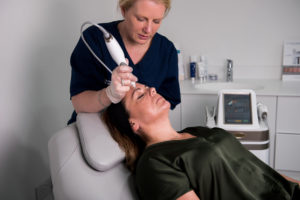
At Thames Skin Clinic, we offer tailored treatments to effectively target and reduce hyperpigmentation. 

  • Medical prescription skincare is available for all skin types, targeting living skin cells from brands such as ZO Skin Health.
  • Our chemical peels, such as the Obagi Blue Peel Radiance and Zo Stimulator Peel, uses salicylic acid, lactic acid and glycolic acid to lift deeper pigmentation and provide a radiant complexion. 
  • HydraFacial / hydra-dermabrasion enhances serum penetration for maximum pigmentation reduction. This treatment is also used to deep clean the skin and step it up for maximum penetration of ZO treatment protocols and enhanced laser treatment results.
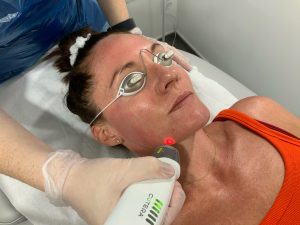
  • Laser therapy uses targeted wavelengths to fade dark spots, sun damage and photoaging.
  • Plasma pigmentation removal with Plasma BT offers permanent removal of raised pigmentation lesions under local anaesthetic, providing precise, safe results.


With so many treatment options available, you can choose the most effective one for your hyperpigmentation.


What is hyperpigmentation and can anyone get it?

Hyperpigmentation is a common skin condition in which certain areas of the skin become darker than the surrounding skin due to excess melanin production. It can affect any skin type, though it’s more prone in people with darker skin tones because they naturally produce more melanin. Common triggers include sun exposure, hormonal changes, inflammation (such as acne or eczema), certain medications and ageing. While it isn’t harmful, many find it cosmetically concerning. Consistent sun protection and proper skincare can help prevent and manage it alongside hyperpigmentation treatments.

What are the common types of hyperpigmentation?

The most common types of hyperpigmentation include solar lentigines, known as sun spots or age spots, caused by excess UV exposure. Melasma is another type of hyperpigmentation often caused by hormonal fluctuations, such as during pregnancy or with contraceptives. Post-inflammatory hyperpigmentation (PIH) often appears as dark spots left behind after skin inflammation, such as from acne or eczema.

What is the best treatment for hyperpigmentation?

The best treatment for hyperpigmentation depends on your skin type and pigmentation depth. It’s normally a combination of professional medical skincare and laser treatments. 

Can injectables treat my pigmentation?

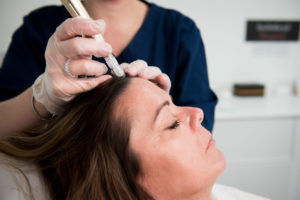
Yes there are various injectable treatments that can be used to target pigmentation. Profhilo and Polynucleotide treatments can help lighten pigmentation as they restore the skin’s health. In doing so the pigmentation cells (melanocytes) are in better control and this helps lighten superficial pigmentation

Powered by TelephoneAI
Make an enquiry

Make an enquiry

    Please consent to providing your above data to us in accordance with our privacy policy.